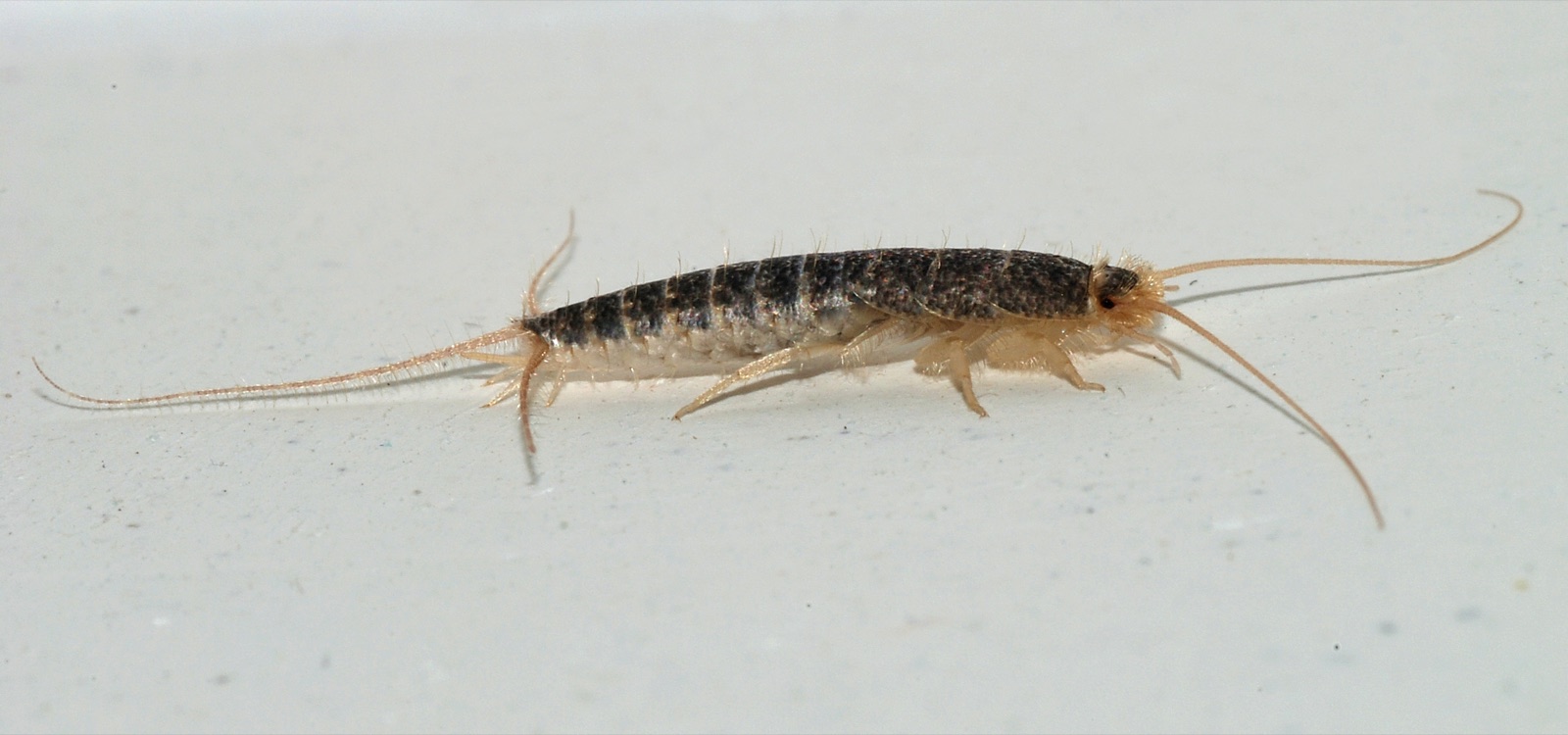
What a pest actually is
A pest is a forager whose appetite collides with yours.
Aphids are not invaders. They are sap feeders doing what aphids do, in a place where you happen to be growing kale. The label "pest" is a relationship, not a property of the animal. Move the kale, change the planting density, add a flowering border, and the same aphid stops being a pest.
Hold that frame. It changes every decision downstream.
Outbreaks are gaps
A single species exploding in your garden is almost always a missing predator, a missing competitor, or a missing habitat.
Aphids on a brassica row in May tell you the ladybirds, lacewings, and hoverflies are not present yet, or have nowhere to overwinter. Slugs on the seedlings tell you the ground beetles, frogs, and hedgehogs cannot reach the bed. Caterpillars stripping a kale block tell you the parasitic wasps have no nectar source within flight range.
The pest is a symptom. The gap is the diagnosis.
Plant a monoculture and you build an all-you-can-eat buffet for whichever forager finds it first. Plant a polyculture with flowering edges and that same forager runs into predators, confusing scent, and alternative hosts before it ever finds your crop.
The damage hierarchy
Before you reach for anything, sort the damage.
Cosmetic. Holes in chard leaves. Skeletonised radish tops. Bird pecks on a ripe fig. The plant lives, the yield is intact, the look is off. Walk away.
Yield. Aphids deforming the growing tip of a tomato. Flea beetles shredding 30 percent of a young bok choy crop. Codling moth in the apples. Now you are losing harvest. Act, but proportionally.
Survival. Cutworms slicing seedling stems at the soil line. Voles ring-barking a young fruit tree. Borers tunneling into a stone-fruit trunk. The plant dies if you do nothing. This is the only tier that justifies aggressive intervention.
Most gardeners skip the sort and react to tier one as if it were tier three. That habit is what burns through good biology.
Threshold thinking
Set a number before the season starts. Decide what you can lose.
Ten percent leaf damage on mature brassicas is a healthy garden, not a problem. Twenty percent on seedlings is a problem. Three cabbage white caterpillars per plant on a young kale is approaching a threshold. Fifteen per plant has already crossed it.
The threshold is yours to set, and it depends on the crop, the season, and the buyer. A market gardener selling whole heads of romaine has a tighter threshold than a homesteader making sauerkraut. Write the number down. Without it, every chewed leaf becomes an emergency.
Pest pressure as feedback
Read the pressure like a soil test.
Persistent aphids year after year: not enough flowering insectary plants. Plant alyssum, phacelia, dill, and umbellifers along every bed edge. The hoverflies and parasitic wasps need nectar to mature their eggs. See hoverflies and native bees.
Recurring slug damage: the ground is too bare and too wet. Pull back the deepest mulch, add rough surfaces and edges for ground beetles, and stop watering at dusk.
Whitefly clouds in the greenhouse: humidity too low, ventilation too poor, no trichogramma or other natural enemies present. The greenhouse is a closed system that has lost its predators.
Vole tunnels along every bed: too much continuous cover, too few raptor perches. Put up a perch post.
Each outbreak is the garden telling you which lever is stuck.
Build the team
The fastest way out of a pest cycle is to invite the next trophic level in.
Flowering plants for the adult predators. Most beneficial insects spend their adult life on nectar and their larval life eating pests. No flowers, no adults, no eggs, no larvae.
Rock and log piles for ground beetles, toads, and slowworms. A two-square-meter brush pile in the corner will outwork most pesticides on slugs and cutworms.
Water for everything. A shallow dish with stones gives wasps, bees, and birds a drink. A small pond brings frogs and dragonflies, and dragonfly nymphs eat mosquito larvae by the hundred.
Hedgerows and uncut edges for overwintering. Most of your predators die in winter if there is nowhere to hide. Leave 10 percent of the garden messy on purpose.
See predator-prey balance for the underlying dynamics.
When to actually intervene
You have sorted the damage, set a threshold, and the threshold is crossed.
Start with the gentlest tool that fits. Hand pick caterpillars at dawn. Hose aphids off with water. Drop a row cover over the brassicas before the moths arrive. Pull and burn a borer-infested branch. Most pest problems resolve at this level if you catch them early.
If you need a spray, choose one that does not break the team you spent two years building. Neem, soft soaps, and Bacillus thuringiensis hit specific pests and spare most beneficials. See organic sprays. Broad-spectrum products, even organic ones like pyrethrum, knock out predators along with the pest and set you back to season one.
Integrated Pest Management is the formal version of this ladder. Observation, threshold, gentlest tool first, hardest tool last and rarely.
The honest endpoint
You will lose some plants. You will share some harvest. A garden with zero pest damage is a garden with zero ecology, and that garden cannot hold itself together for more than a season or two without escalating inputs.
Aim for a place where the foragers are present, the predators are present, and the balance shifts a little each year toward you. That is the worldview. The techniques are downstream.
See also
- Integrated Pest Management
- Predator-Prey Balance
- Companion Planting Guide
- Polyculture
- Observation First