What they are
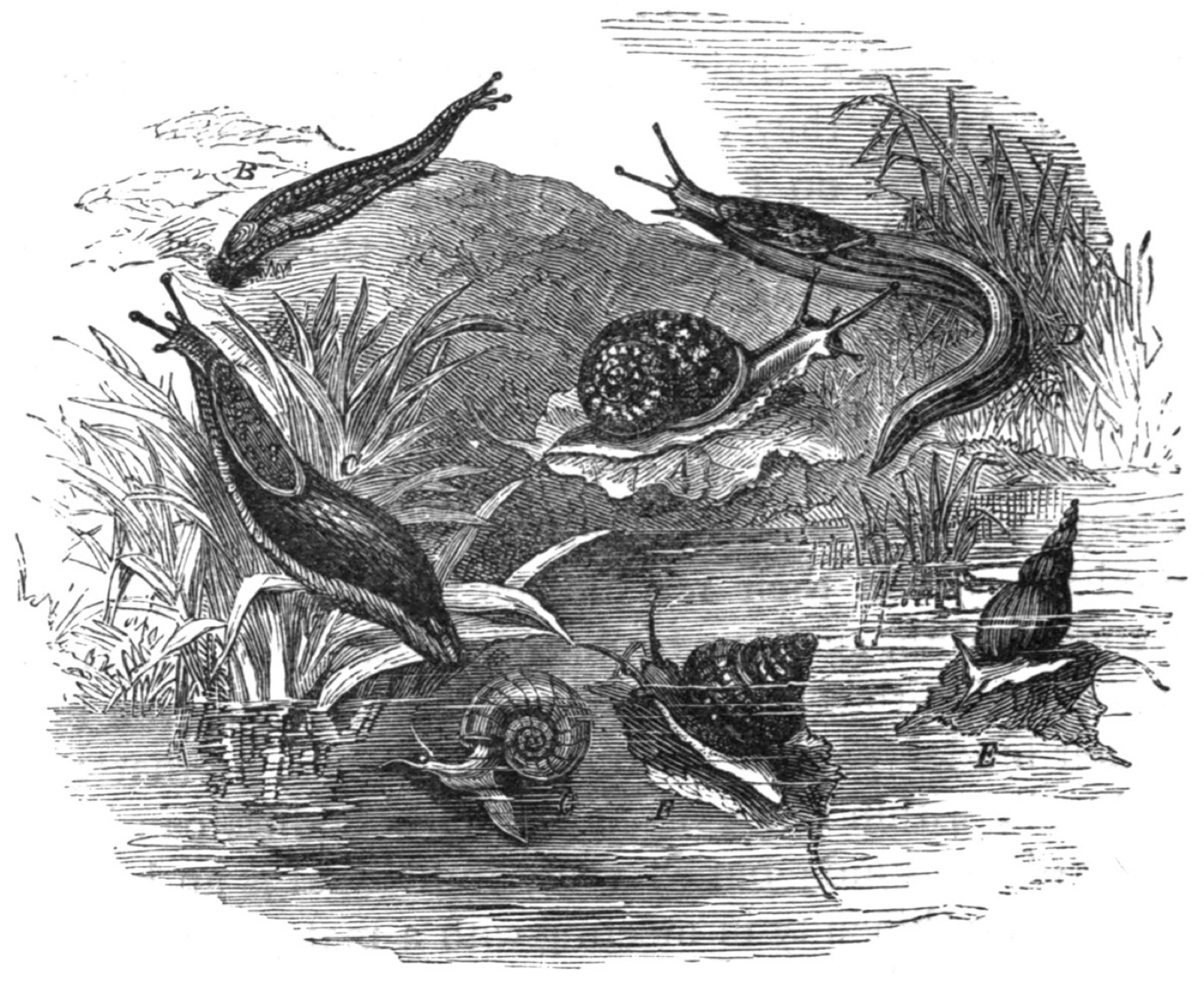
Soft-bodied molluscs. Hermaphrodites. Nocturnal. Most damage in a temperate garden comes from a short list: the grey field slug (Deroceras reticulatum), the Spanish slug (Arion vulgaris), and the garden snail (Cornu aspersum). One field slug lays 500 eggs a year. The population you see at night is a fraction of the population in the soil.
They feed when the surface is damp and the air is above 5 °C. Daylight sends them back under stones, boards, mulch, the lip of a pot. Find the daytime shelter and you find the problem.
Why nothing you tried worked
The classic remedies are oversold.
Beer traps catch a few. They also attract slugs from the neighbour's plot into yours. Net effect on a real population: negligible. Useful for monitoring, not control.
Copper rings and tape repel until the copper oxidises, which is about three weeks outdoors. The slime layer on a large slug shorts the charge anyway. Works briefly on a single pot. Useless on a bed.
Eggshells, sand, coffee grounds, sharp grit. A determined slug crosses all of them. Watch one cross gravel under a head torch and the myth dies.
Salt. Works on the slug in front of you and salts your soil. Don't.
The reason these fail is that they target individuals. The population is in the eggs and the daytime shelter.
What actually works
Habitat. You decide whether your garden is a slug hotel.
Damp, sheltered, undisturbed: that is the brief for a slug. Boards on the ground, dense weed mats, deep loose mulch right up to the stems of vulnerable seedlings, overgrown bed edges, propped-up pots. Each one is a daytime refuge.
Lift the boards. Pull the mulch back 10 cm from young brassicas, lettuce, and hostas until the plants are big enough to take a few bites. Water in the morning so the surface dries by dusk. A dry surface at night halves the active foraging window.
This is the trade with mulch. A covered soil is healthier soil. A covered soil also shelters slugs. The answer is not no mulch. The answer is mulch that suits the bed: composted bark or leaf mould (drier, less hospitable) over loose straw, and a bare collar around the most vulnerable transplants for the first three weeks.
Bring in the predators
This is the real lever. Every working garden has a predator stack, and slugs are near the bottom of a lot of food chains.
Ducks. The best slug control known. Indian Runners and Khaki Campbells will clear a vegetable patch and barely touch the lettuces if they are fenced off during the day and let in at dusk. One pair handles a quarter-acre kitchen garden. They eat the eggs too.
Chickens. Less precise. They get the slugs and the seedlings. Run them through a bed between crops, not during one.
Ground beetles (Carabidae). The night shift you never see. Adults and larvae eat slug eggs and small slugs. They live under stones, logs, and undisturbed perennial strips. Leave a beetle bank: a low ridge of tussock grass running through or beside the beds. One metre wide is enough. See rock and log piles.
Frogs, toads, slow-worms, hedgehogs. All eat slugs nightly. A small pond (even a sunken washing-up bowl with an exit ramp), a log pile in a shady corner, a gap under the fence for a hedgehog highway. These are cheap installs with outsized return. See pollinator habitat for the same logic applied to insects.
Song thrushes. The smashed snail shells on a flat stone (a thrush anvil) tell you they are working the bed already. Keep cats indoors at dawn.
If you must use pellets
Iron phosphate only. The active ingredient is ferric phosphate or sodium ferric EDTA. Slugs eat it, stop feeding within hours, crawl underground, and die. Safe around dogs, hedgehogs, ground beetles, and birds at label rates. It also breaks down into iron and phosphate, both of which the soil can use.
Never metaldehyde. The blue pellets kill slugs and everything that eats a poisoned slug: thrushes, hedgehogs, foxes, dogs. A single chewed handful can kill a small dog. Many countries have now banned outdoor use. If you have a legacy bag in the shed, take it to hazardous waste.
Scatter sparingly, not in piles. A pile is a feast for a curious dog and a waste of pellets. Light coverage at dusk along the edges of the bed, after rain, when slugs are active.
When it goes wrong
Seedlings keep vanishing overnight. Lift every board, pot, and stone within five metres of the bed at noon. You will find them. Move the shelter. Hand-pick by torchlight two hours after dusk for three nights running. That short campaign clears a surprising fraction of a local population.
Ducks ate the strawberries. Fence them out of soft fruit and rotate them through the brassica and lettuce beds only. Train the routine.
The pond filled up with slugs, not frogs. It needs cover at the edge, a shallow ramp, and three seasons. Frogs find ponds. Don't stock them; let them arrive.
The slug load came in with bought-in compost or plants. Quarantine new pots for a week on a hard surface. Tip them out and inspect the rootball. Egg clusters look like pearl tapioca.
The honest position is that you will not eliminate slugs from a temperate garden. You can drop the population by an order of magnitude, protect the vulnerable weeks, and let the predators handle the rest.
See also
- Garden Pests Overview
- Integrated Pest Management
- Predator-Prey Balance
- Rock and Log Piles
- Soil Cover