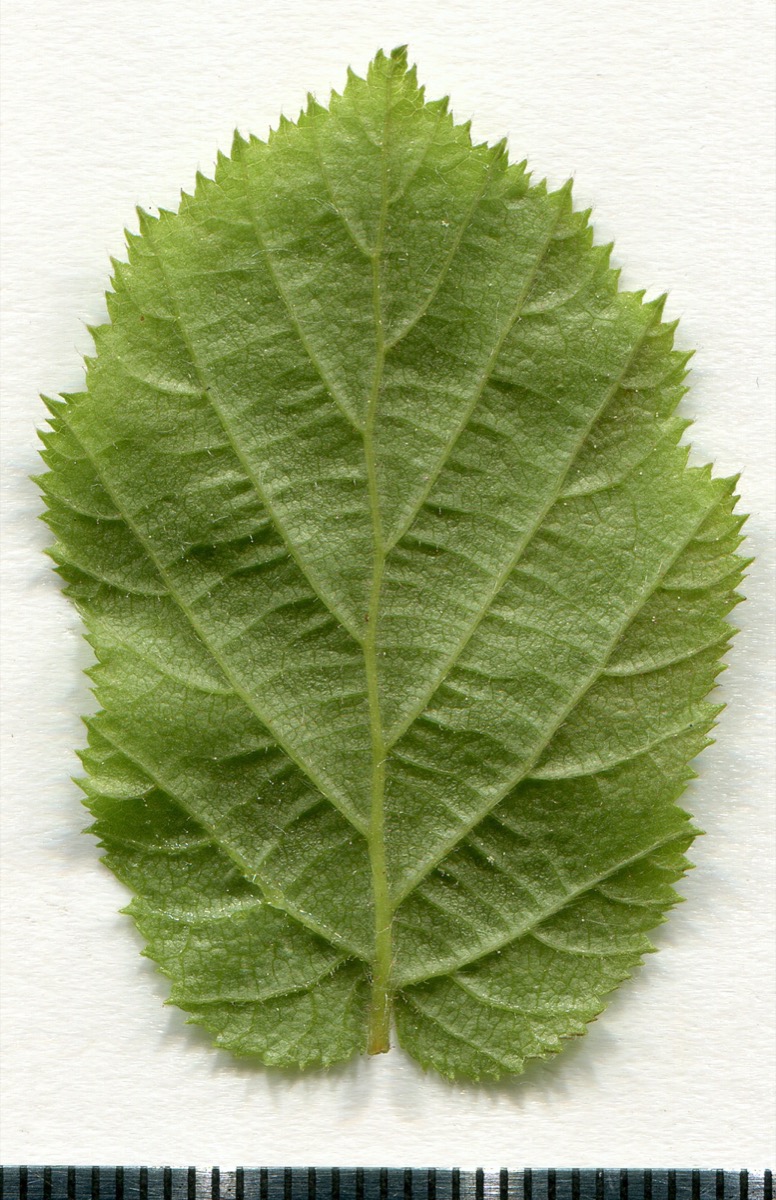
What it is
Corylus avellana. A multi-stemmed shrub that thinks it is a tree.
Native across Europe and into western Asia. It tops out at 6 to 8 m if you leave it alone, but nobody who works hazel leaves it alone. Cut at the base, it throws straight new shoots from the stool. Cut it again seven years later. Repeat for two hundred years. The stool keeps producing.
Two crops from one plant. Wood on a rotation. Nuts in the gap years.
Why it works
Hazel evolved as woodland understory. It tolerates the dappled shade under oak, beech, and walnut, and it responds to cutting the way a meadow responds to grazing. Damage triggers regrowth from dormant buds on the cut stool. Each new shoot grows fast, straight, and flexible. By year three the poles are pea-stick weight. By year seven they are bean-pole and hurdle weight. By year ten they are firewood and stake stock.
The nuts (filberts, cobnuts) follow a mast cycle. A heavy crop every two to three years, lighter years in between. Squirrels, jays, and dormice work the same calendar. So do humans who pay attention.
Catkins open in February. Long yellow lambs' tails on bare branches, pumping wind-borne pollen weeks before anything else flowers. The tiny red female flowers on the same plant catch it. On a still warm morning in late winter a hazel grove hums with the first bumblebees of the year working the catkins for pollen. No nectar. Just protein when nothing else is offering any.
Build it
Site. Free-draining loam, neutral to slightly alkaline. Hazel sulks in waterlogged clay and burns on dry chalk. Half sun is fine. Full shade kills nut production but the wood still grows.
Stock. Two-year bare-root whips, 60 to 90 cm tall, planted November through March while dormant. For nuts pick named cultivars: 'Kentish Cob', 'Cosford', 'Webb's Prize Cob', or 'Butler' and 'Ennis' for North American growers. Plant two different cultivars within 15 m for cross-pollination. For coppice wood, seedling hazel is cheaper and just as productive.
Spacing. 2 m between stools for a working coppice cant. 4 to 5 m for nut production, where you want the canopy to spread. Closer plantings shade themselves out by year five.
Understory work. Hazel slots under walnut and chestnut where the high canopy lets winter and spring light through. It also runs along the south edge of a young food forest as a productive shrub layer. See Food Forest Design.
Coppice it
Cut at ground level. Angle the cut slightly so water runs off. Sharp tools, clean cut, no ragged bark. December through February, when the sap is down.
The rotation depends on what you want.
- 3 to 4 years. Pea sticks. Thin flexible brushwood for supporting peas and herbaceous perennials.
- 5 to 7 years. Bean poles, hurdle rods, hedge-laying binders, woven plant supports. The classic English coppice cut.
- 7 to 10 years. Stakes, thatching spars, charcoal stock, walking sticks.
- 10 to 15 years. Firewood and round-pole construction. Past 15 years the stool starts losing vigour and the poles get heavy and brittle.
A working stool produces 20 to 40 poles per cut at the 7-year rotation. One hectare of coppiced hazel yields roughly 200 to 400 bundles of bean poles per year on a rolling 7-year cycle, cutting one-seventh of the area annually.
Protect the regrowth. Deer and rabbits will eat the new shoots flat in the first season. See Deer and Rabbits for fencing and tree guards. A 1.2 m chestnut paling round each cut stool for the first two seasons is standard practice in British coppice.
Harvest the nuts
Filberts ripen August through October depending on climate and cultivar. The husk browns and loosens. Shake the branch. Ripe nuts drop.
Beat the squirrels by harvesting slightly early and curing indoors. Spread the nuts one layer deep in a dry airy place for two to three weeks. The husks finish drying and pull away clean. Store in mesh sacks at cool room temperature. Shelled nuts keep six months. In-shell keeps a year.
Mast years skew the calendar. Plan storage and processing for the heavy crop. In a light year, leave more on the tree for wildlife and let next year's bud set build.
When it goes wrong
Big bud mite. Galled buds swell and fail to open. Phytoptus avellanae. Prune out and burn affected shoots in winter. Bad infestations knock nut yield by half.
Grey squirrels. They strip nuts green, weeks before harvest, and ring-bark young coppice regrowth. In the UK and parts of the eastern US, grey squirrels are the single biggest barrier to commercial cobnut production. Trapping helps. Mesh sleeves on individual stems help. Accepting a partial harvest and planting extra stools helps most.
Stool dies after cutting. Usually too old or cut too low into rotten wood. Hazel stools last 150 to 200 years on a regular rotation, but a neglected stool cut for the first time at age 40 may not recover. Cut the healthiest stems first, leave a nurse stem for one more season, then take the rest the following winter.
No catkins, no nuts. Heavy shade. Move the plant or thin the canopy above it. Hazel needs winter and spring light on the buds to set both catkins and female flowers.
See also
- Walnut, the high canopy hazel sits under
- Chestnut, the other classic nut overstory
- Pruning Basics, the cuts that build a stool
- Native Bees, the February visitors hazel feeds
- Food Forest Design, placing hazel in the shrub layer