What they are
Two rodents, two strategies. Both kill young trees.
Microtus species are voles. Short tail, blunt face, 10 to 12 cm long. They run surface tunnels through grass and mulch, eat seeds and bark, and explode in numbers on a three to four year cycle. A meadow vole population can hit 1,000 per hectare in a peak year.
Geomyidae are pocket gophers. Bigger, 15 to 30 cm, with yellow incisors outside the lips and fur-lined cheek pouches for hauling food. They live underground in their own network and almost never come above ground in daylight. Thomomys in the western US. Geomys across the plains.
Tell them apart in the field. Voles leave 4 cm surface runways in matted grass and pencil-thick droppings along the trails. Gophers leave crescent-shaped mounds of fresh soil with a plugged hole off to one side. No surface trail. No droppings. Just dirt.
Why they kill young trees
Bark is winter food. Under snow cover voles strip the cambium clean off the lower trunk of an apple, pear, or young hardwood. You will not see the damage until the snow melts in March and the tree is already girdled.
Gophers work from below. They sever taproots and feeder roots, sometimes pulling whole 2 m saplings down into a burrow. A tree that looked healthy in October lifts out of the ground like it was never planted.
Both animals prefer young trees. Bark thickens with age, taproots get woody, and a tree past five or six years usually survives an attack that would have killed it at year two. The high-risk window is the first three winters after planting.
Tree guards
This is the single highest leverage move. Get it right and the rest is optional.
Use 6 mm (quarter-inch) hardware cloth. Cut a strip 90 cm tall and wrap the trunk in a cylinder, with 2 cm of slack so the bark can expand. Push the bottom 5 cm into the soil. The top should sit 60 cm above the expected snow line, because voles will tunnel through snowpack and chew at whatever height they reach.
Plastic spiral guards are cheaper and worse. They trap moisture, crack in UV, and voles chew through them in a hard winter. Hardware cloth is a one-time cost that lasts a decade.
Check the guards every fall before snow. A guard that has slumped or pulled out of the soil is a tunnel waiting to happen.
Gravel collars
Pocket gophers will not tunnel through coarse rock. Dig a 30 cm wide, 30 cm deep ring around the root crown of a new tree and fill it with 2 to 5 cm angular gravel. Some growers line the planting hole itself with hardware cloth baskets, especially in alluvial soil where gophers move fast.
Baskets last five to ten years before they rust through. By then the roots are large enough to take a hit.
Habitat is the real lever
Voles love what most gardeners build. Tall grass. Thick straw mulch right against the trunk. Brush piles next to the orchard rows. Pull the mulch back 30 cm from every trunk in October. Mow a 1 m strip around each tree to bare ground before winter. That single change cuts vole damage by half on most sites.
Gophers love loose, deep, well-watered soil. Alluvial fans, irrigated pasture, raised beds with rich loam. You cannot fix the geology, but you can stop tilling pathways into otherwise compact ground.
A vole cycle peaks every three to four years. If you saw heavy damage last winter, the next one will be worse. Pull mulch back early.
Owl perches and cats
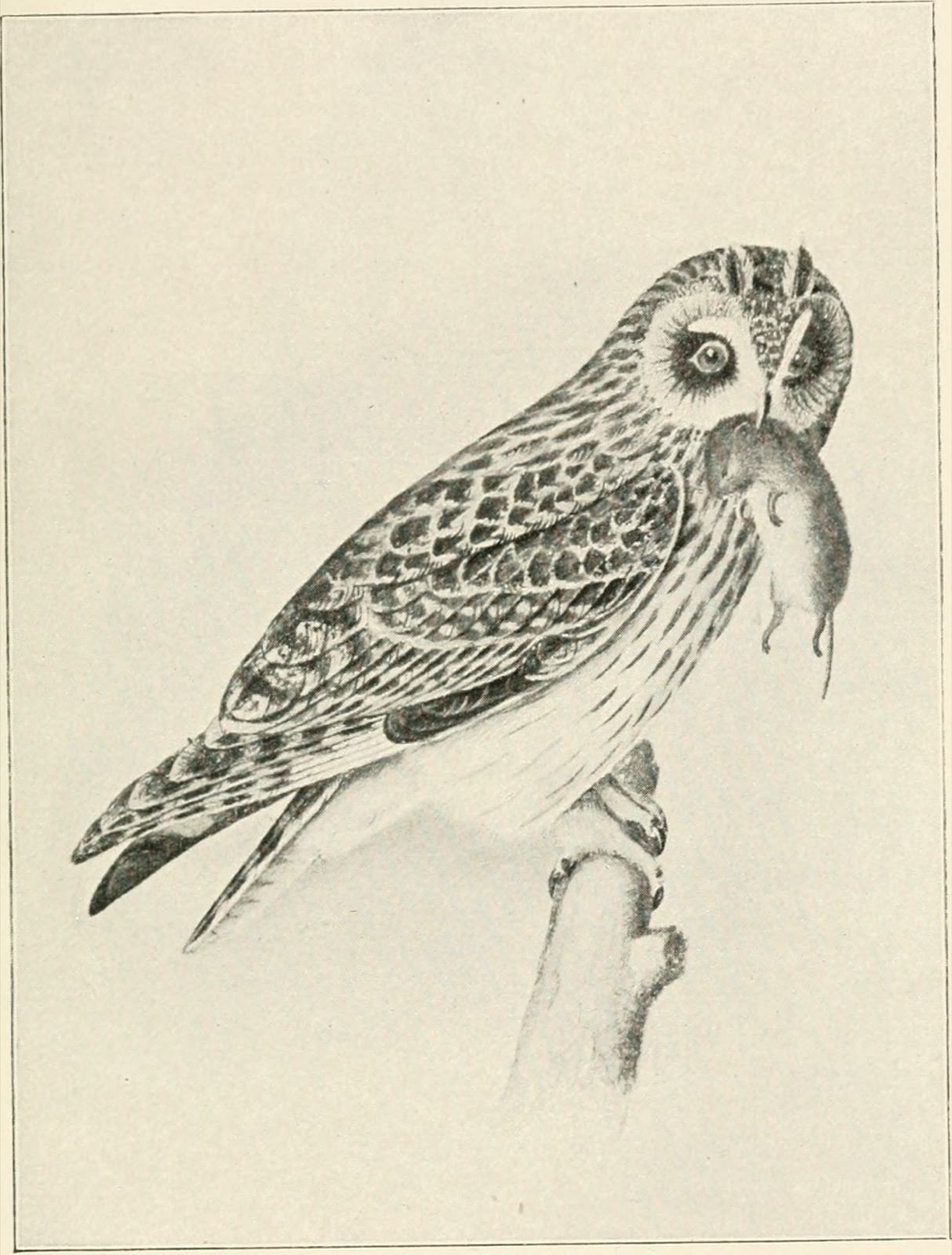
A barn owl pair takes 1,500 to 3,000 rodents per breeding season. They hunt voles and gophers, at dusk and dawn. A 4 m T-perch every 50 m along an orchard row gives them a platform. A nest box on a pole, 3 m up, gets occupied within a year in vole country.
Cats work too, but only on voles. A working farm cat with a warm barn to come home to will pull dozens of voles a week off a small orchard. Gophers stay underground.
Encourage the rest of the predator stack as well. Foxes, weasels, snakes, hawks. See Predator-Prey Balance and Wildlife Corridors.
Trapping
Trapping works only with persistence. One weekend of effort will not move the needle.
For voles, set mouse snap traps perpendicular to active surface runways, baited with peanut butter. Cover the trap with a board or shingle so the runway stays dark. Reset daily. A serious campaign on a small orchard might run 20 traps for three weeks.
For gophers, use Macabee or Cinch box traps set in the main tunnel, not the lateral. Probe with a thin rod until you find the soft spot where the main run sits 15 to 25 cm down. Open the tunnel, place two traps facing opposite directions, and reseal. Move any trap that has not fired in 48 hours.
Poison bait is worse than useless on a permaculture site. It kills the owls, foxes, and dogs that would otherwise be doing the work for free.
When it goes wrong
Snow melts and the tree is girdled below the guard. The guard was too short, or it pulled out. If the girdle is partial, bridge graft in early spring and the tree may survive. Full girdling is fatal.
Mounds keep appearing in the same area. You are catching foragers, not residents. Probe deeper and find the main run.
The cat brings voles but the damage continues. Cats hunt the easy ones. Pull the mulch back and the population drops faster than any predator can manage alone.
You inherited an orchard with no guards. Wrap everything under five years old this fall. Plan to replace the losses.
See also
- Integrated Pest Management
- Predator-Prey Balance
- Deer and Rabbits
- Garden Pests Overview
- Row Covers and Barriers