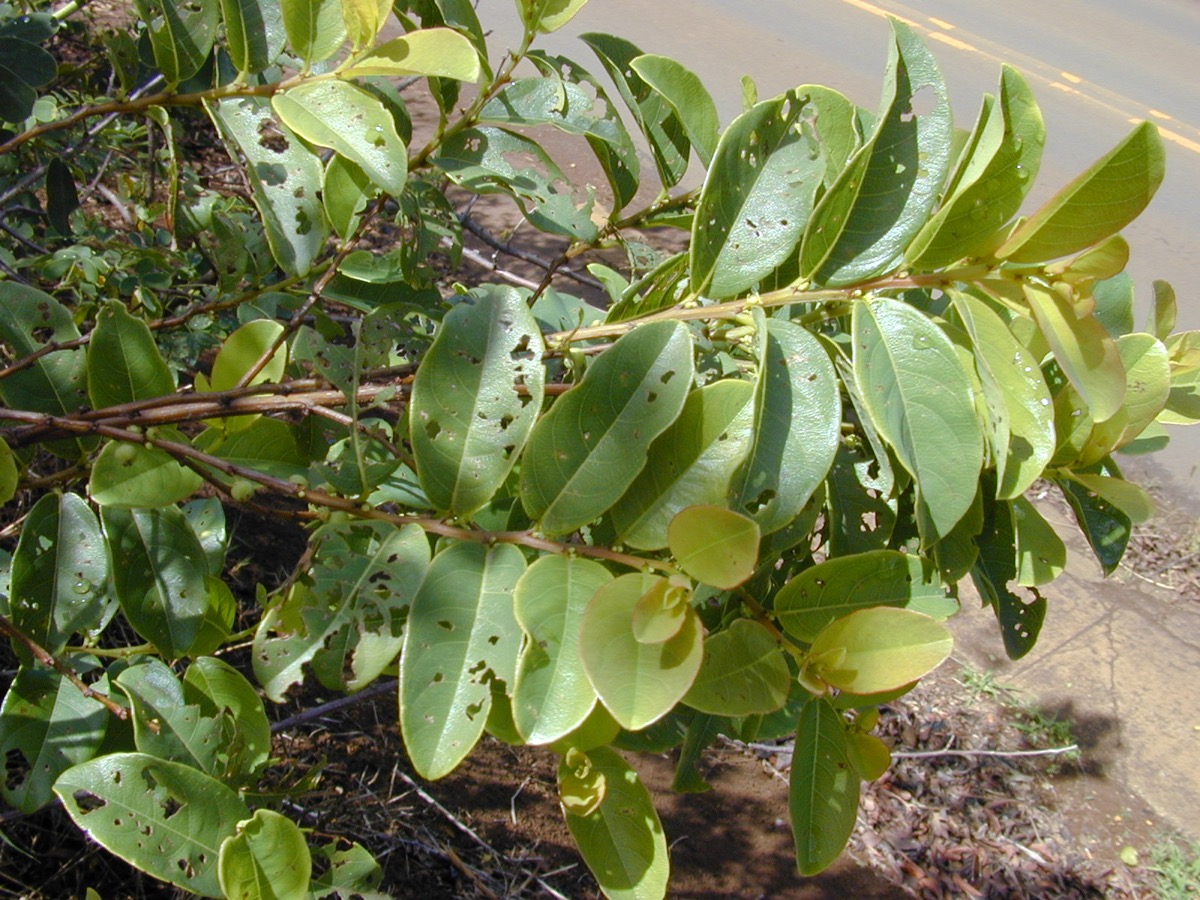
What they are
Five bushes that do the work of a blueberry patch on soil too sweet for blueberries.
Currants (Ribes rubrum, R. nigrum, white forms of R. rubrum). Gooseberries (Ribes uva-crispa). Jostaberry, the R. nigrum x R. divaricatum cross from 1970s German breeding. Honeyberry (Lonicera caerulea), the edible blue honeysuckle from Siberia and Hokkaido. Aronia (Aronia melanocarpa), the black chokeberry of the eastern North American wetlands.
All five want a cool summer, a long winter, and a soil pH between 6.0 and 7.0. None of them care about the acid floor that blueberries demand. That is the whole point.
Why they earn the space
A mature blackcurrant gives 4 to 5 kg of fruit a year. A redcurrant pushes 5 to 7. A well-pruned gooseberry holds 3 to 5 kg. Jostaberry, the biggest of the lot, will load 7 to 10 kg on a single bush by year five. Aronia rivals it. Honeyberry is the lightweight at 2 to 4 kg, but it ripens in late May, three weeks ahead of strawberries.
Stack them and you cover June through September from a 15 square meter bed.
The nutritional case is hard to argue with. Aronia carries the highest measured anthocyanin content of any temperate fruit. Blackcurrants run four times the vitamin C of an orange by weight. Honeyberry tastes like a blueberry crossed with a raspberry and freezes without losing texture.
They also tolerate part shade. A blackcurrant under a thinned canopy of hazel or alder still crops. Try that with a peach tree.
Pick the right species for the site
Blackcurrant. Loves heavy, fertile, moisture-retentive soil. Wants full sun in cool climates and afternoon shade where summers run hot. Hates drought. Crops on one-year-old wood.
Redcurrant and whitecurrant. Tougher than blackcurrant. Tolerate drier soil, more shade, and colder winters. Crop on two and three-year-old spurs, so the pruning logic is different.
Gooseberry. The hardest worker of the group. Thorny. Self-fertile. Will fruit in dappled shade and on thin soil. American cultivars (Hinnonmaki, Captivator) resist powdery mildew better than European ones.
Jostaberry. Thornless. Vigorous to 2 m. Crops on one and two-year-old wood. The fruit is bigger than a blackcurrant and milder. One bush is enough for most households.
Honeyberry. Needs two genetically distinct cultivars for pollination. Plant Boreal Beauty with Boreal Beast, or Aurora with Borealis. A single bush will sulk and set nothing.
Aronia. Suckers freely. Tolerates wet feet, drought, and salt. Will colonise a marginal corner where nothing else fruits. Birds adore it.
Build the patch
Space bushes 1.2 to 1.5 m apart. Aronia and jostaberry want 1.8 m. Rows 2 m apart so you can move a wheelbarrow between them.
Dig a 50 cm hole. Mix the backfill with a shovel of finished compost and a handful of bone meal. Plant currants and gooseberries 5 cm deeper than they grew in the pot. The buried stem throws new shoots and turns a single-stemmed nursery plant into a multi-stemmed bush within two seasons.
Mulch heavily. 10 cm of straw, leaf mould, or wood chips out to the drip line. Renew every spring. Berry roots sit in the top 30 cm of soil, and they cook in dry weather. See Mulch for Moisture.
Water in deeply, then again weekly for the first month. After year one, water only during fruit swell and dry spells.
Prune them right
The pruning cycle is the single thing most people get wrong.
Blackcurrant and jostaberry. Fruit on one-year-old wood. After harvest, cut a third of the oldest stems to the ground every winter. New shoots from the base become next year's crop.
Redcurrant, whitecurrant, gooseberry. Fruit on spurs along older wood. Build a permanent framework of eight to ten main stems. Shorten side shoots to two buds in winter. Remove only stems older than four years.
Honeyberry. Almost no pruning for the first five years. After that, take out the oldest 20 percent of stems each winter.
Aronia. Cut to the ground every six to eight years if you want renewed vigour. Otherwise leave it alone.
Sharp bypass secateurs. Cut to an outward-facing bud. Burn or hot-compost prunings to break disease cycles. See Pruning Basics.
When it goes wrong
White pine blister rust. Cronartium ribicola needs both a Ribes and a five-needled pine to complete its cycle. Parts of the US and Canada still restrict or ban Ribes planting near commercial white pine forests. Check state and provincial rules before you plant. Resistant blackcurrant cultivars (Consort, Crusader, Titania) exist and are legal in many restricted zones.
Powdery mildew on gooseberry. White felt on leaves and fruit, worst in humid summers. Prune for airflow, avoid overhead watering, and pick mildew-resistant cultivars. A milk spray (one part milk to nine parts water) weekly through the growing season knocks it back.
Currant aphids. Red blisters on blackcurrant leaves are the giveaway. Encourage hoverflies and native bees with flowering ground cover. A strong jet of water in the morning clears light infestations. See Aphids.
Birds strip the crop overnight. Net at first colour change, not before. Permanent fruit cages pay back within three seasons on a patch over 20 bushes.
Honeyberry sets no fruit. You planted one cultivar, or two cultivars that flower at different times. Replace with a known-compatible pair.