Knowing the conifers
Telling them apart, what each one is for, and why almost none of them will regrow from old wood.
- 01
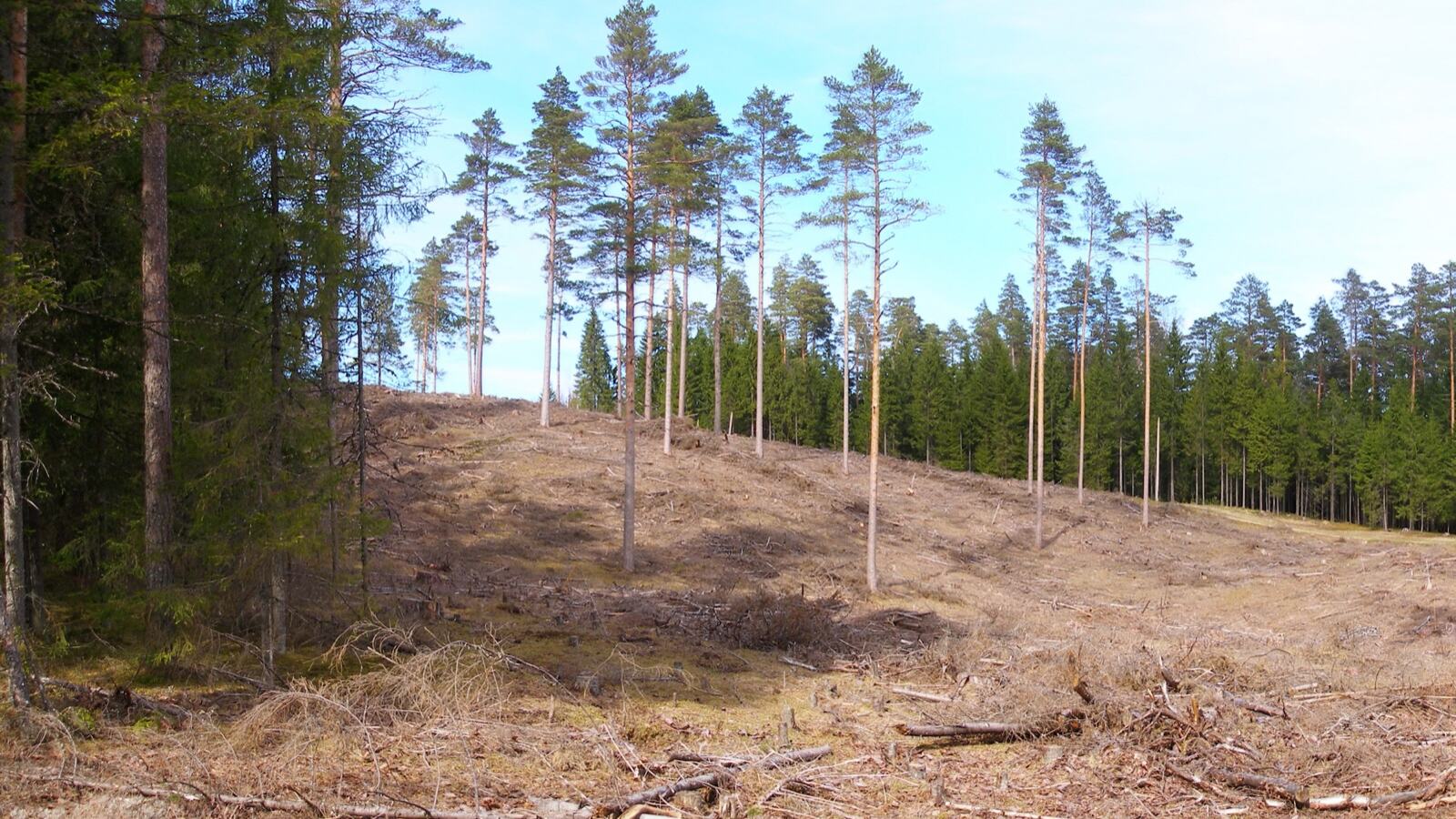 Trees№ 0996 min
Conifers: The Evergreen Backbone
The genera worth knowing, what conifer litter does to soil, and the difference between a conifer plantation and a conifer forest.
- 02
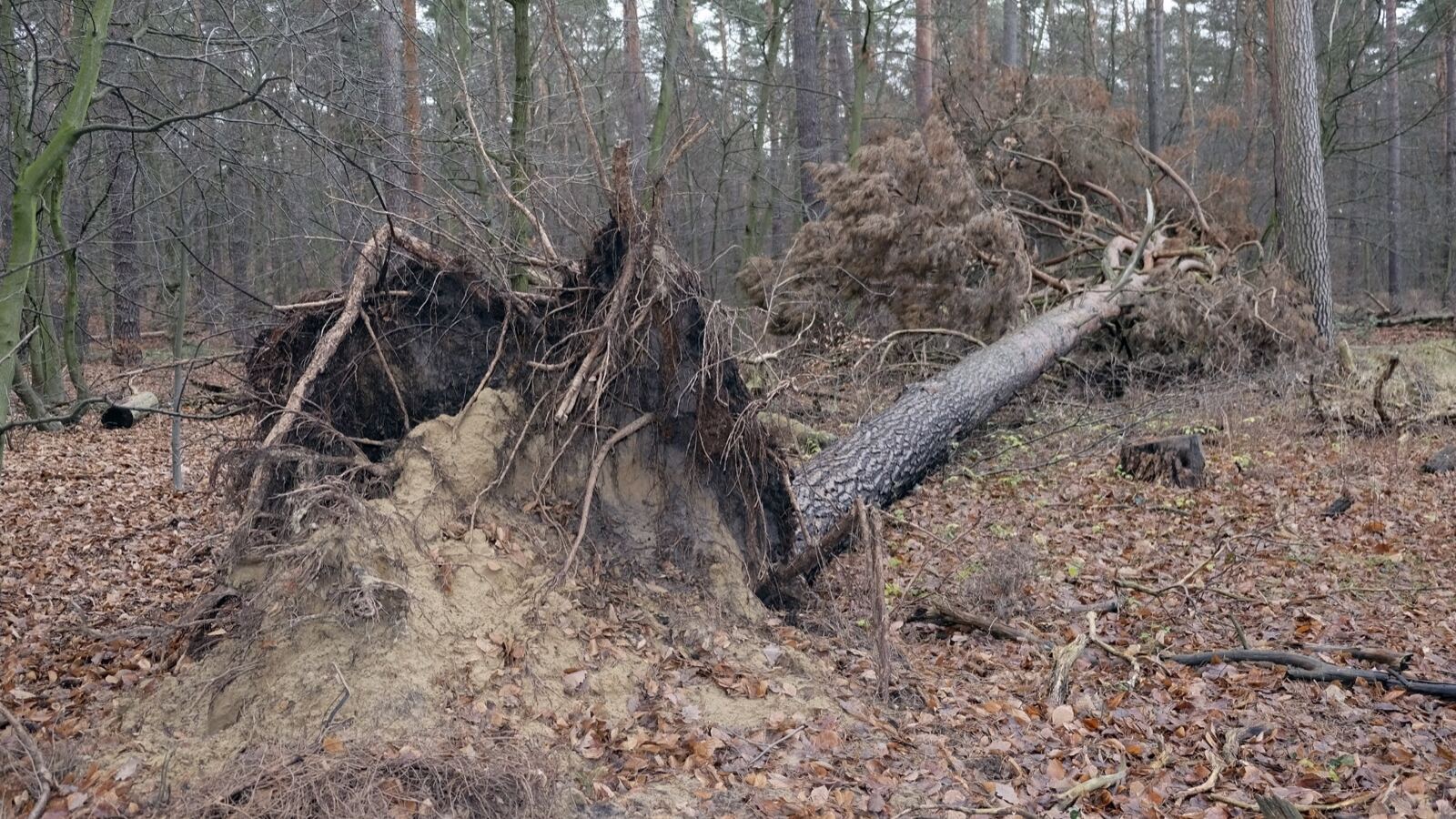 Trees№ 4135 min
Scots Pine: The Widest-Ranging Pine on Earth
Orange upper bark, paired needles, and a native pinewood reduced to fragments — plus why it regenerates on bare mineral soil and nowhere else.
- 03
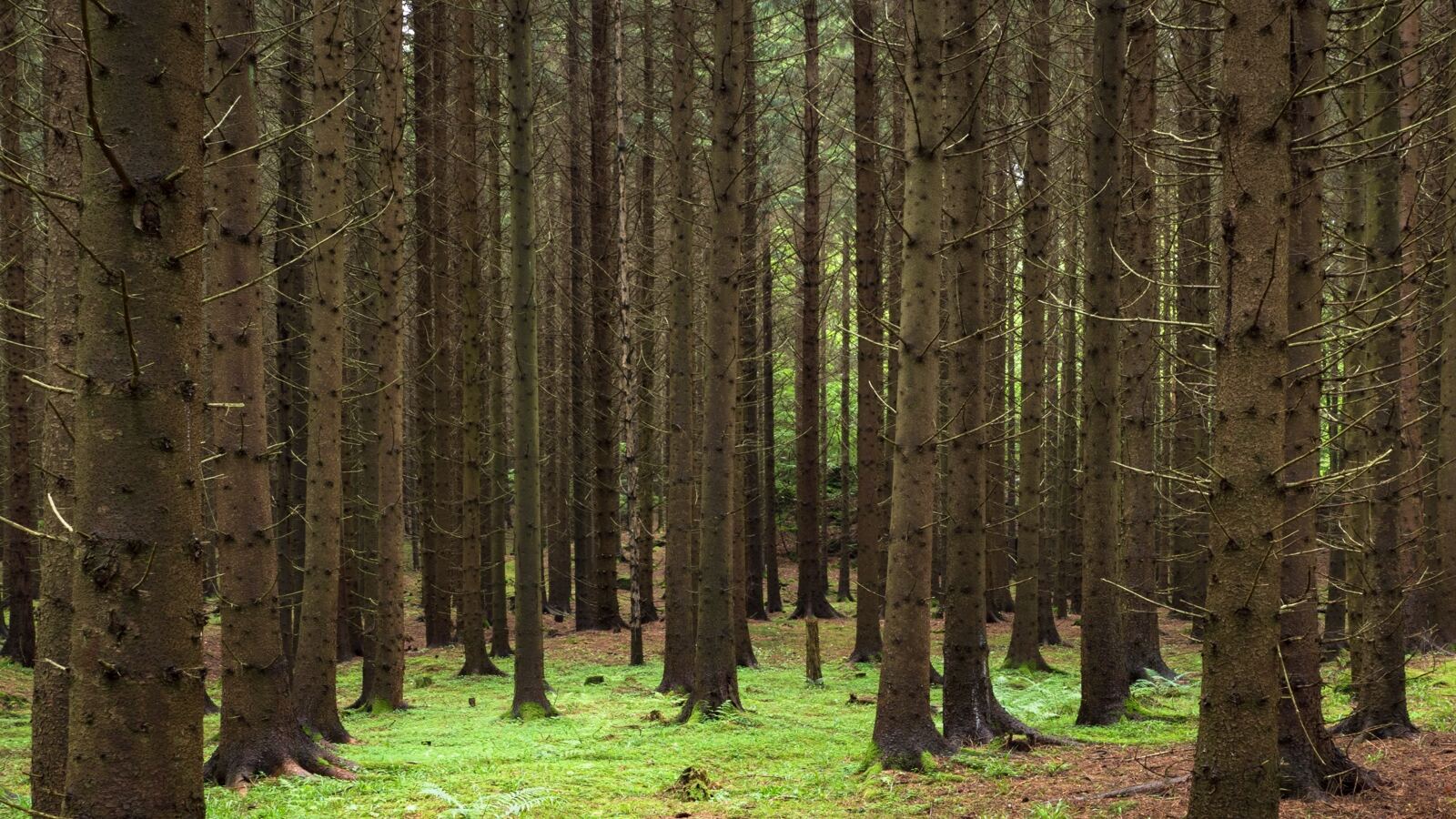 Trees№ 4575 min
Spruces: The Plantation Tree Everyone Argues About
Norway and Sitka — fast, shallow-rooted, wind-thrown, and responsible for both the timber supply and the worst of plantation forestry's reputation.
- 04
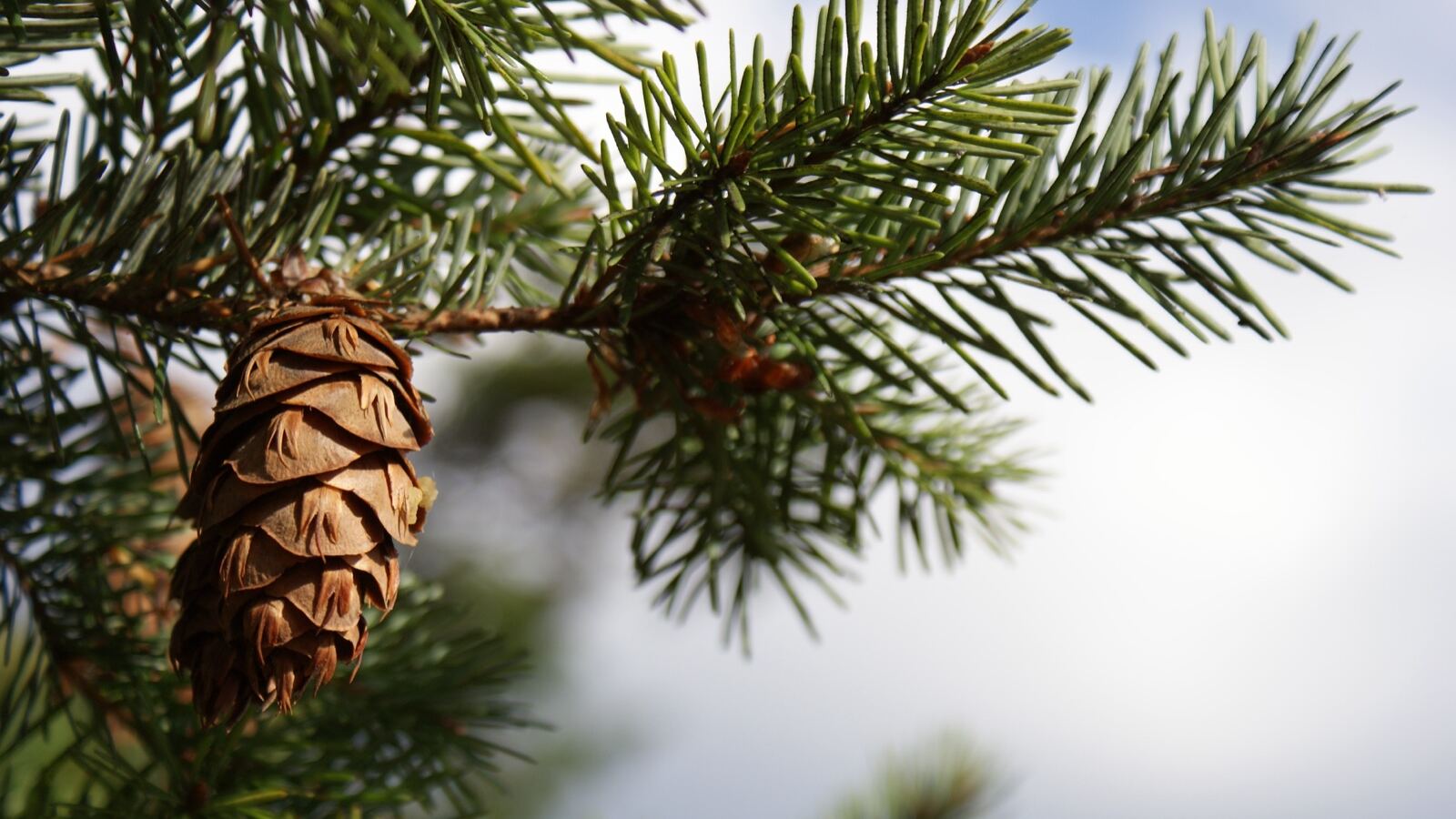 Trees№ 1335 min
Douglas Fir: Not a Fir, and the Best Softwood There Is
Three-pointed bracts on the cones, deep roots that resist windthrow, and the timber that built the Pacific Northwest.
- 05
 Trees№ 2595 min
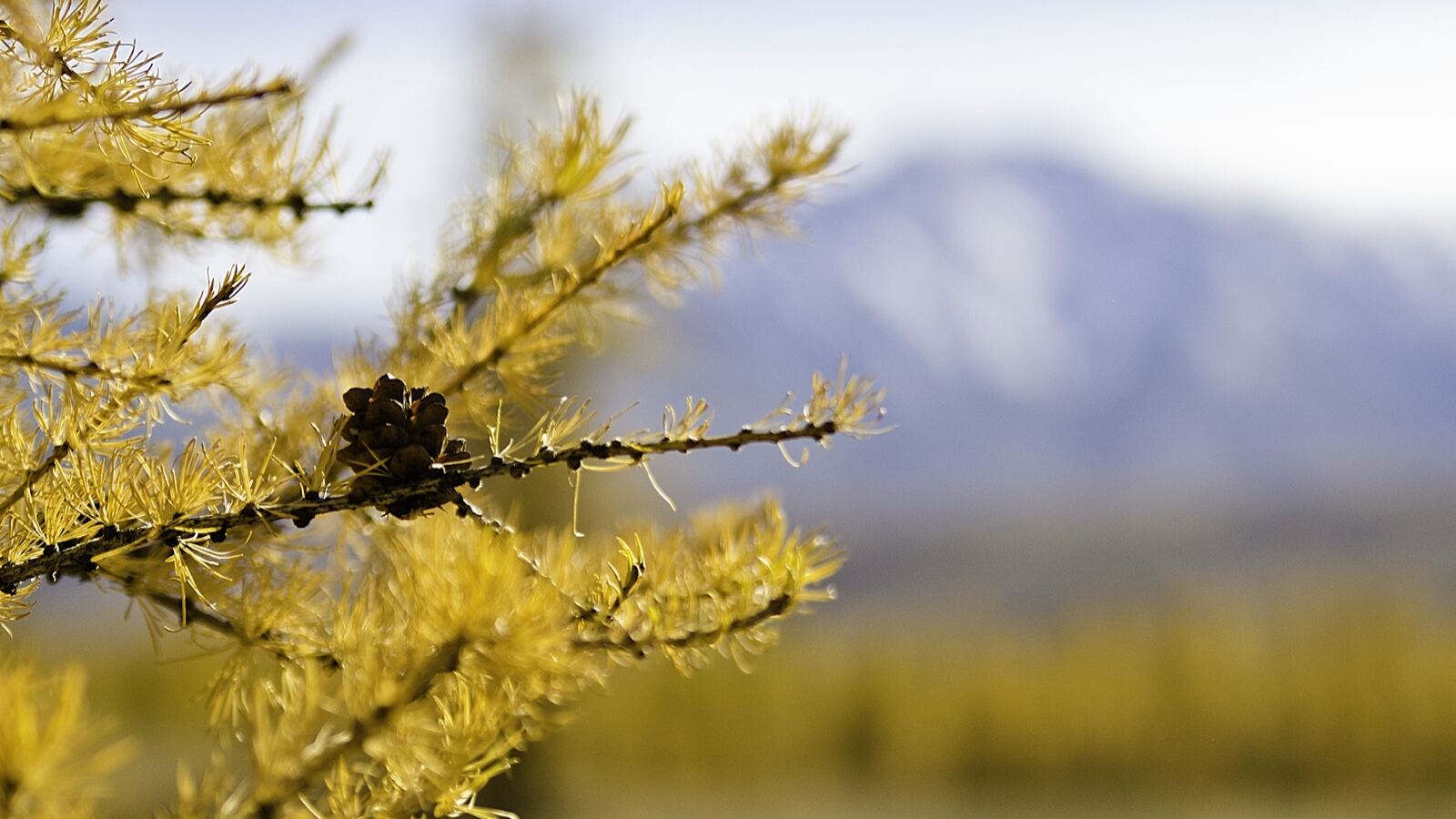
Larch: The Conifer That Drops Its Needles
A deciduous conifer with litter that improves soil rather than acidifying it, durable timber, and a Phytophthora epidemic behind it.
- 06
 Trees№ 4345 min
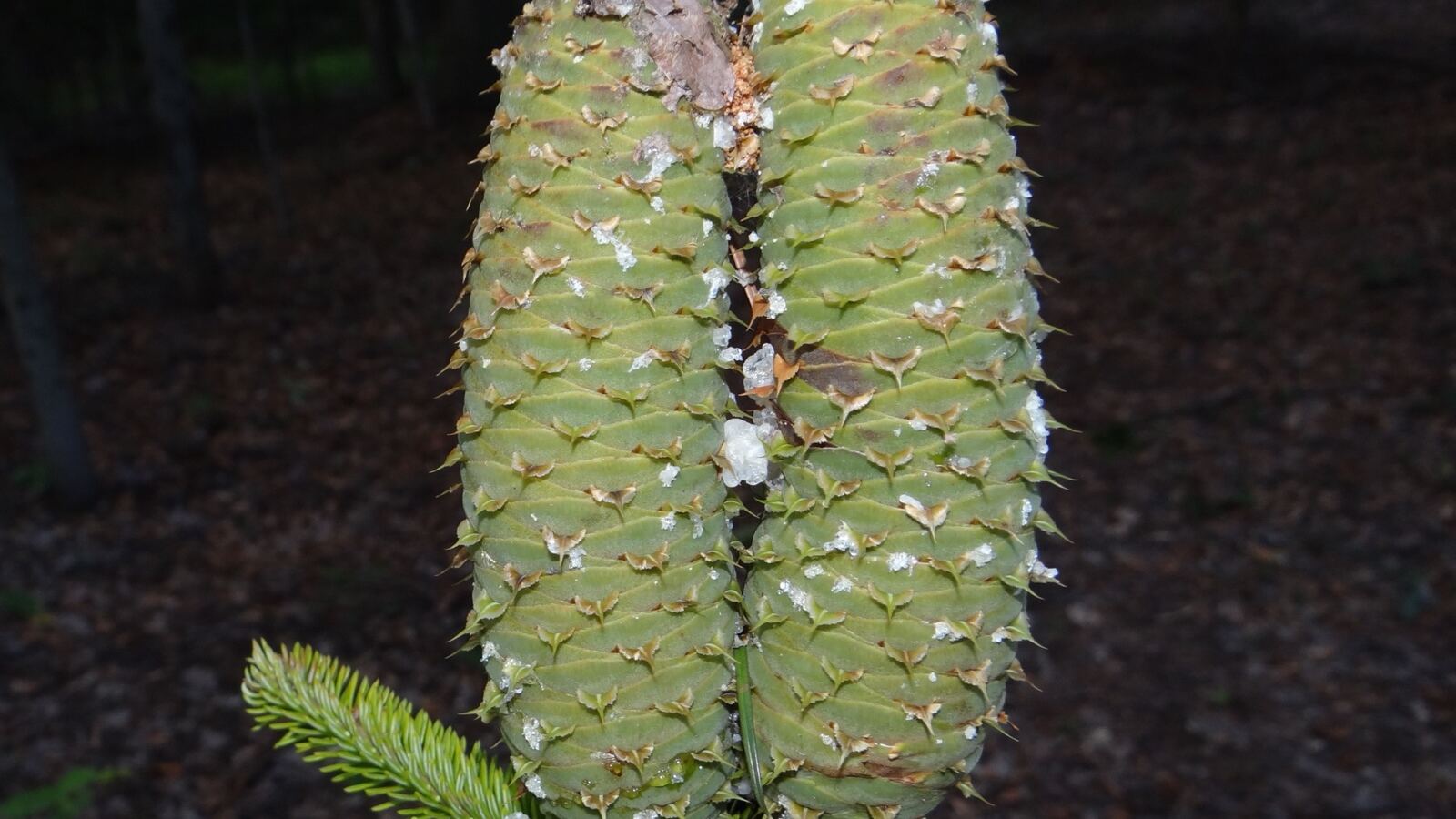
Silver Fir: Upright Cones and the Shade-Tolerant Conifer
True firs — cones that disintegrate on the tree, needles that leave a smooth scar, and the only major conifer that regenerates in deep shade.
- 07
 Trees№ 5355 min
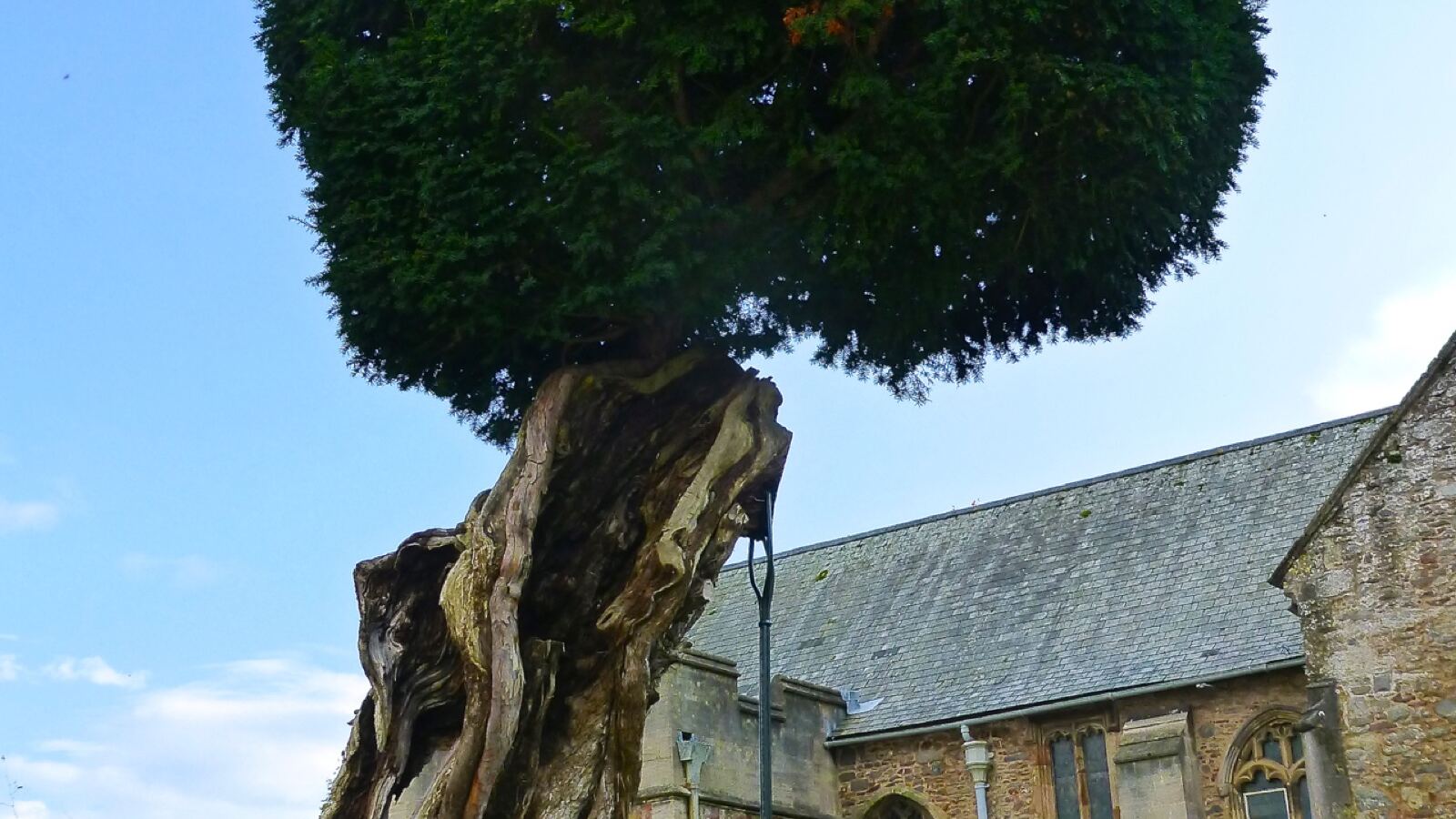
Yew: The Tree That Outlives the Churchyard
Thousands of years old, toxic in every part but the aril, and the only major conifer that resprouts from old wood.
- 08
 Trees№ 2425 min
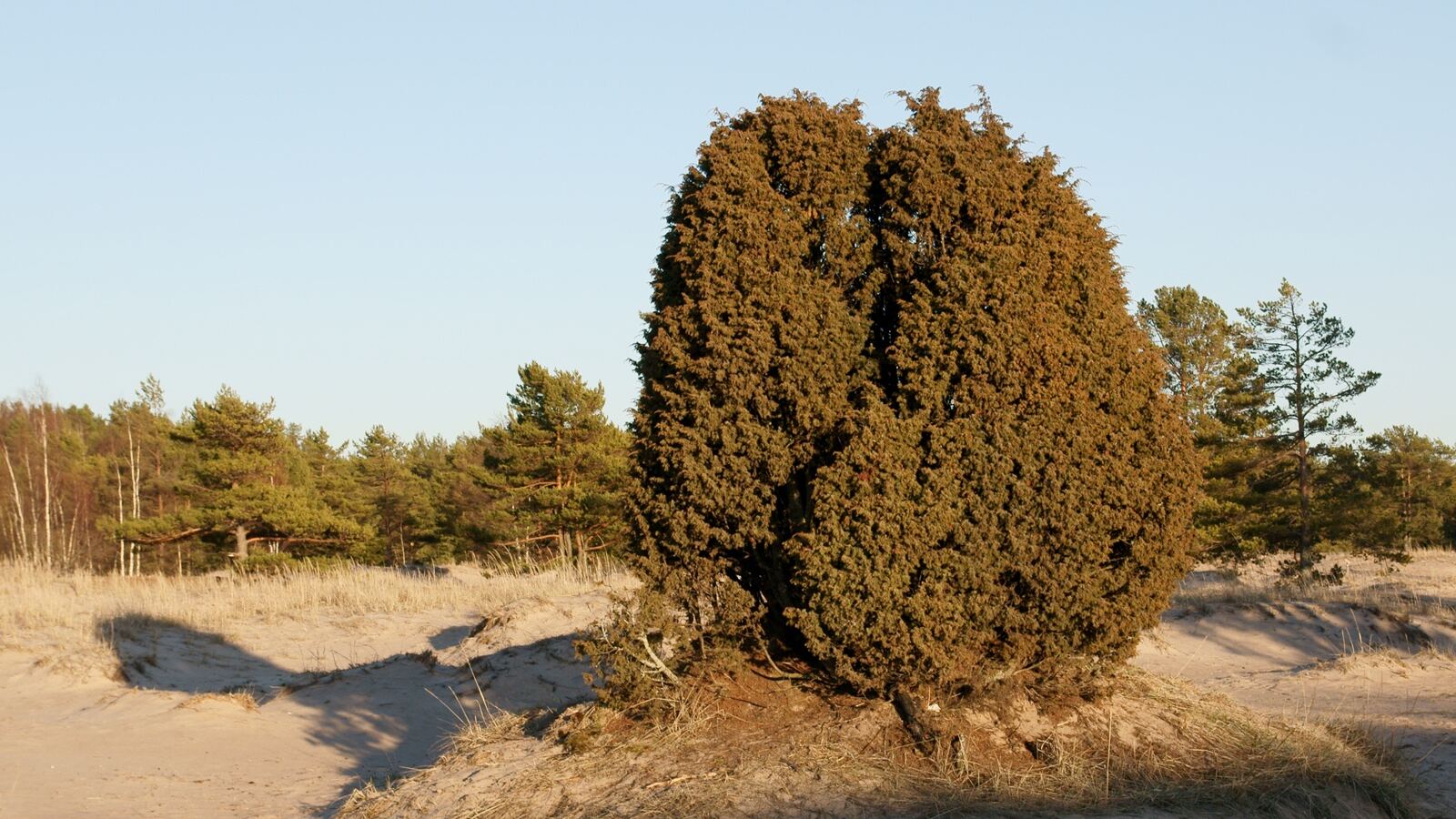
Juniper: Gin, Dryland Cover, and a Species in Trouble
The most widely distributed conifer on earth, the cone that everyone calls a berry, and why British juniper is failing to regenerate.
- 09
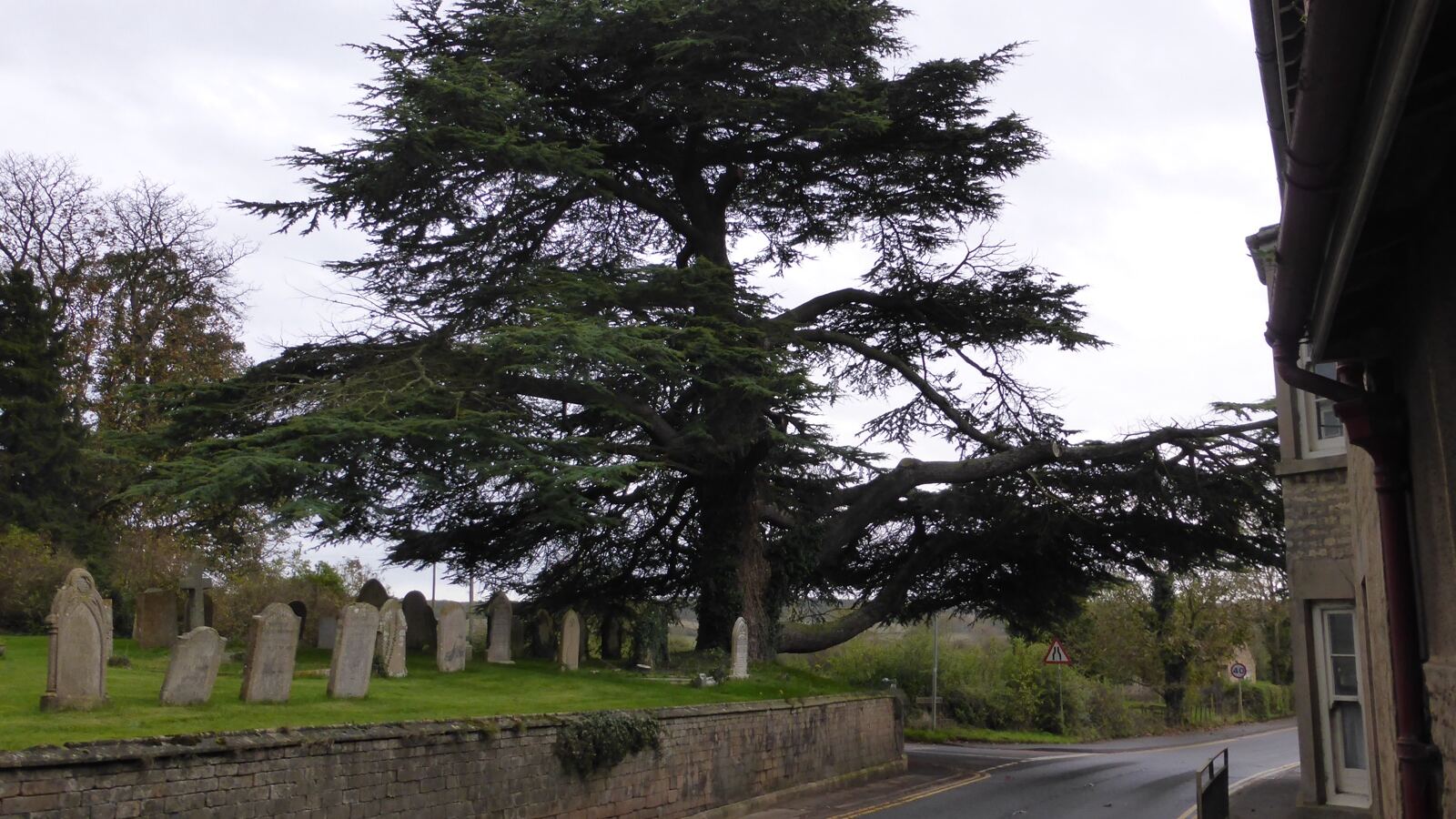 Trees№ 0744 min
Cedars: The Real Ones, and Everything Else Called Cedar
Four true Cedrus species with level plated branches — plus the long list of unrelated trees that borrowed the name.
- 10
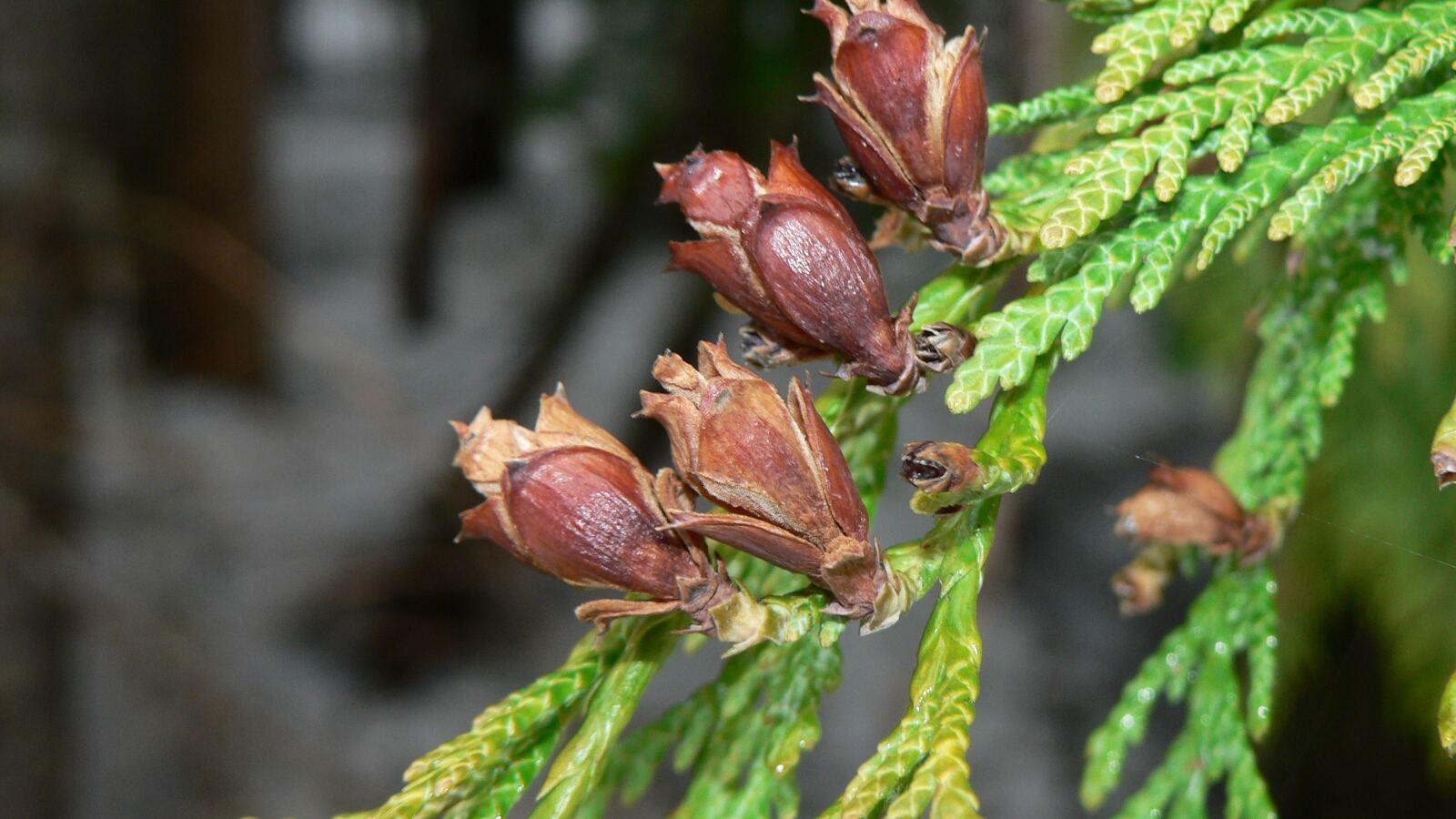 Trees№ 1185 min
Cypresses and Thujas: Scale Leaves, Rot-Proof Wood, and Leylandii
The scale-leaved conifers — western red cedar shingles, coastal shelter, and the fastest hedge in Britain and the disputes it causes.
- 11
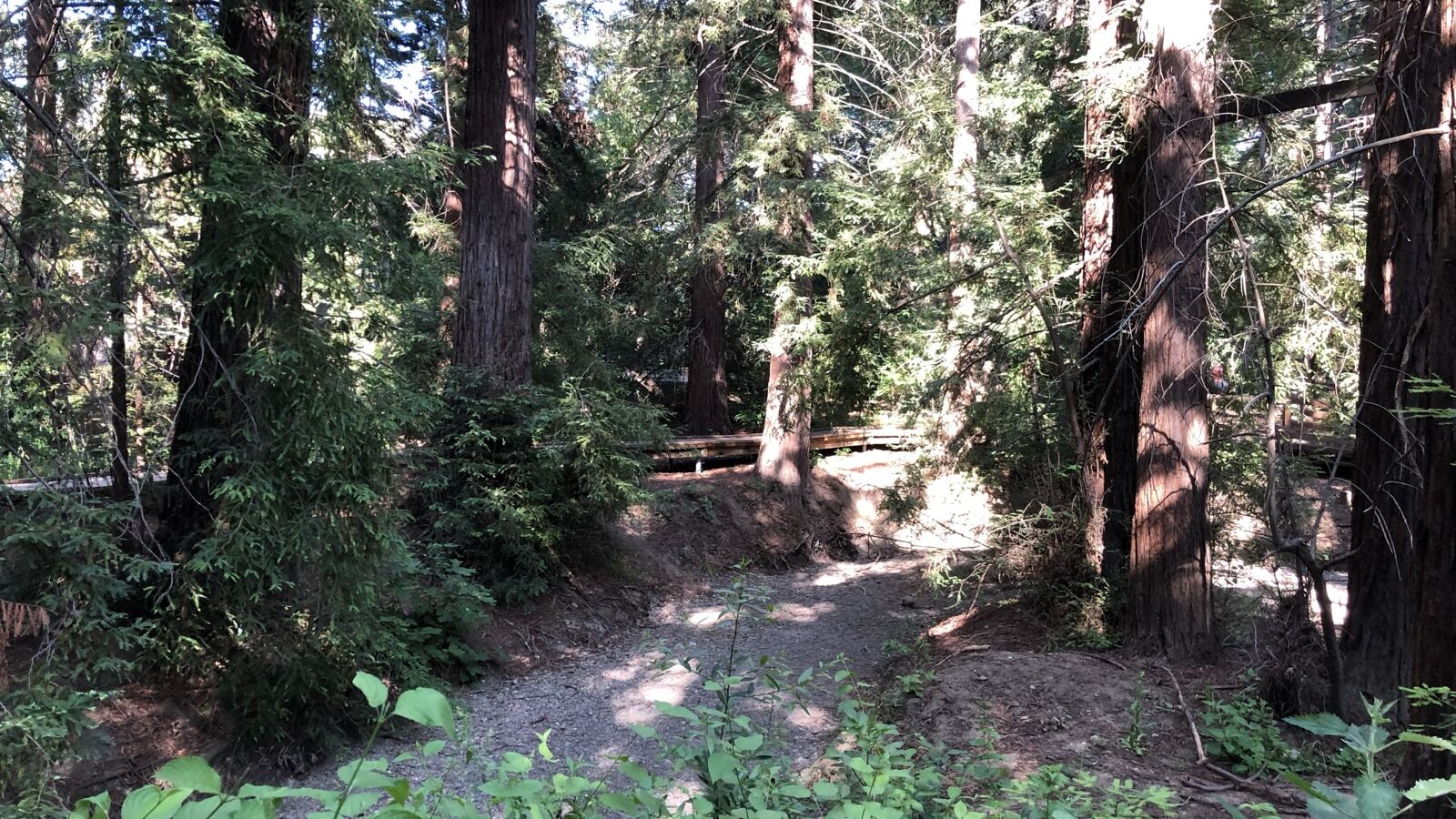 Trees№ 3895 min
Redwoods: The Tallest and the Largest
Coast redwood, giant sequoia, and dawn redwood — fog harvesting, fire-proof bark, and the conifer that resprouts.
- 12
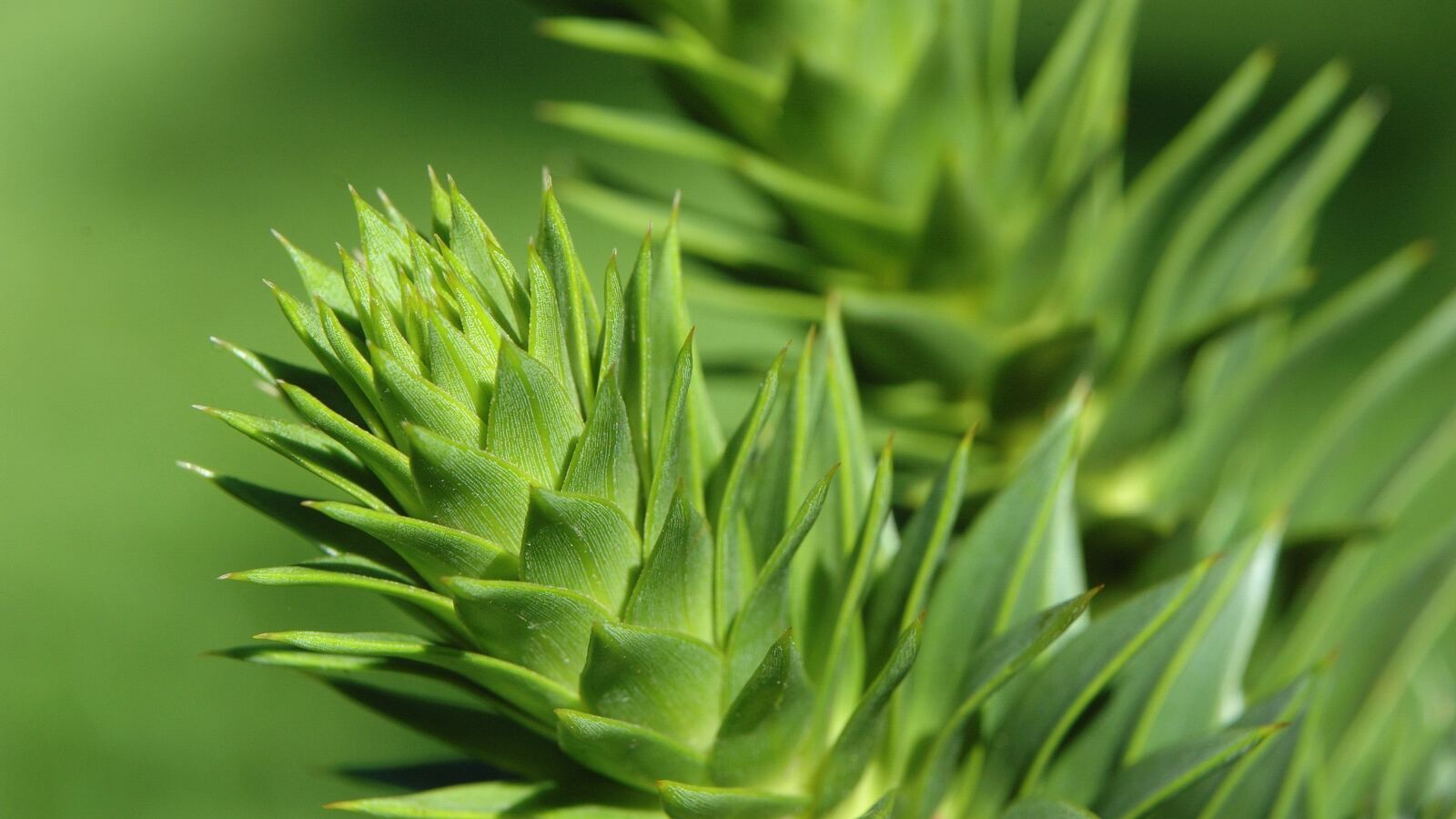 Trees№ 2995 min
Monkey Puzzle: A Living Fossil With an Edible Crop
Araucaria — armoured leaves that outlasted the dinosaurs, a staple nut crop in Chile, and an endangered tree planted in suburban gardens.
- 13
 Trees№ 3224 min
Nut Pines: Stone Pine, Korean Pine, Pinyon
Long-lived cold-hardy pines that drop high-calorie nuts, build soil, and produce excellent timber. Plant for your grandchildren and feed yourself in the meantime.