Trees worth knowing
A field tour through the species this encyclopedia keeps coming back to.
- 01
 Trees№ 3094 min
Native Oaks: Backbone of Temperate Forests
Why native oaks support more biodiversity than almost any other tree genus, and how to grow them for restoration and food production.
- 02
 Trees№ 0374 min
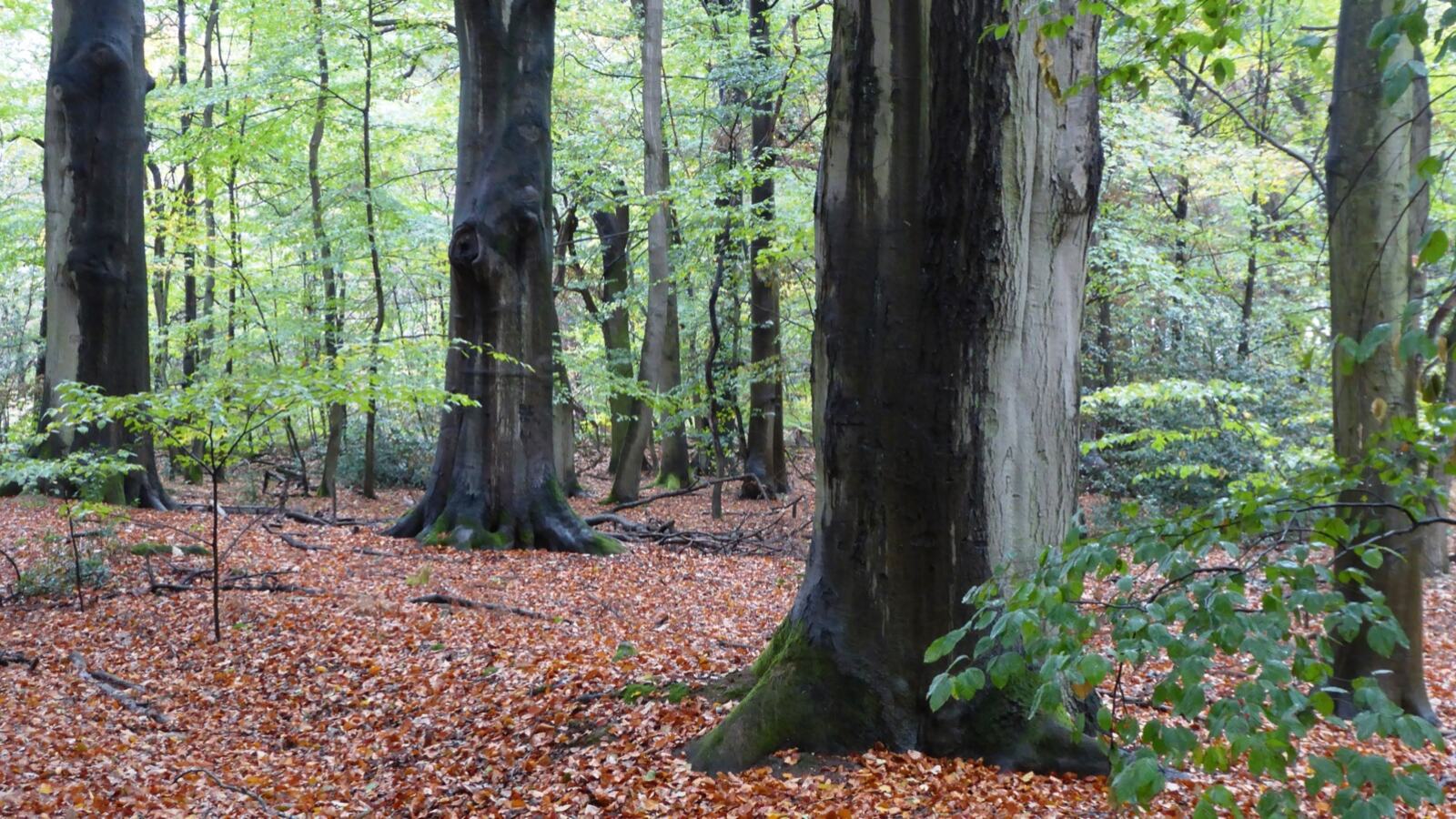
Beech: The Tree That Casts the Deepest Shade
Dense canopy, shallow roots, and a bare forest floor — why beech dominates where it can and why it is the first to fail in drought.
- 03
 Trees№ 2204 min
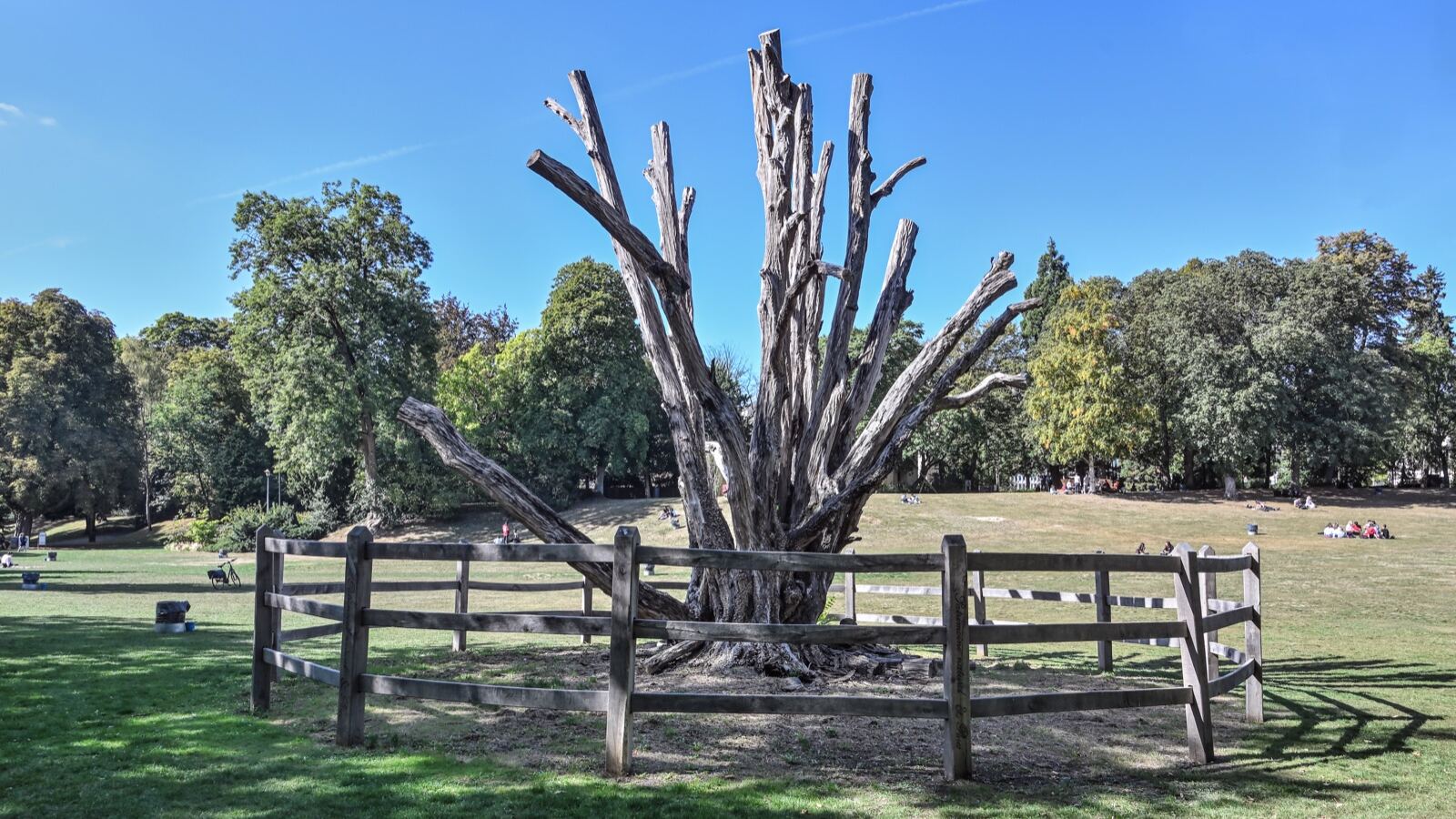
Hornbeam: The Hardest Wood in the Wood
Beech's tougher understudy — tolerates wet clay, holds its winter leaves in a hedge, and wears out the tools that cut it.
- 04
 Trees№ 0205 min
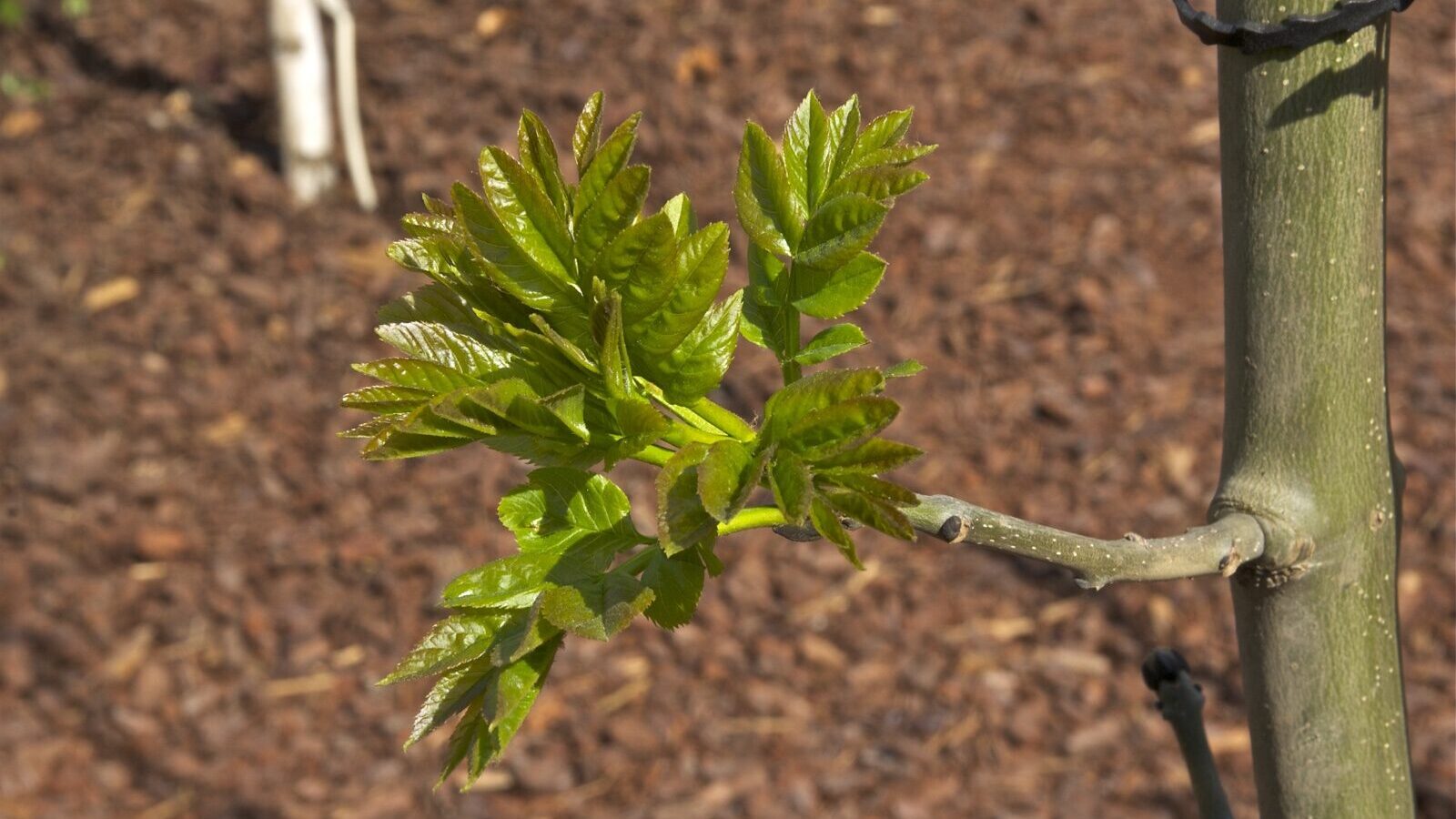
Ash: The Tree We Are Losing
Light canopy, superb timber, and the fastest-moving tree disease in Europe — plus why the survivors matter more than anything else in the woodland.
- 05
 Trees№ 1525 min
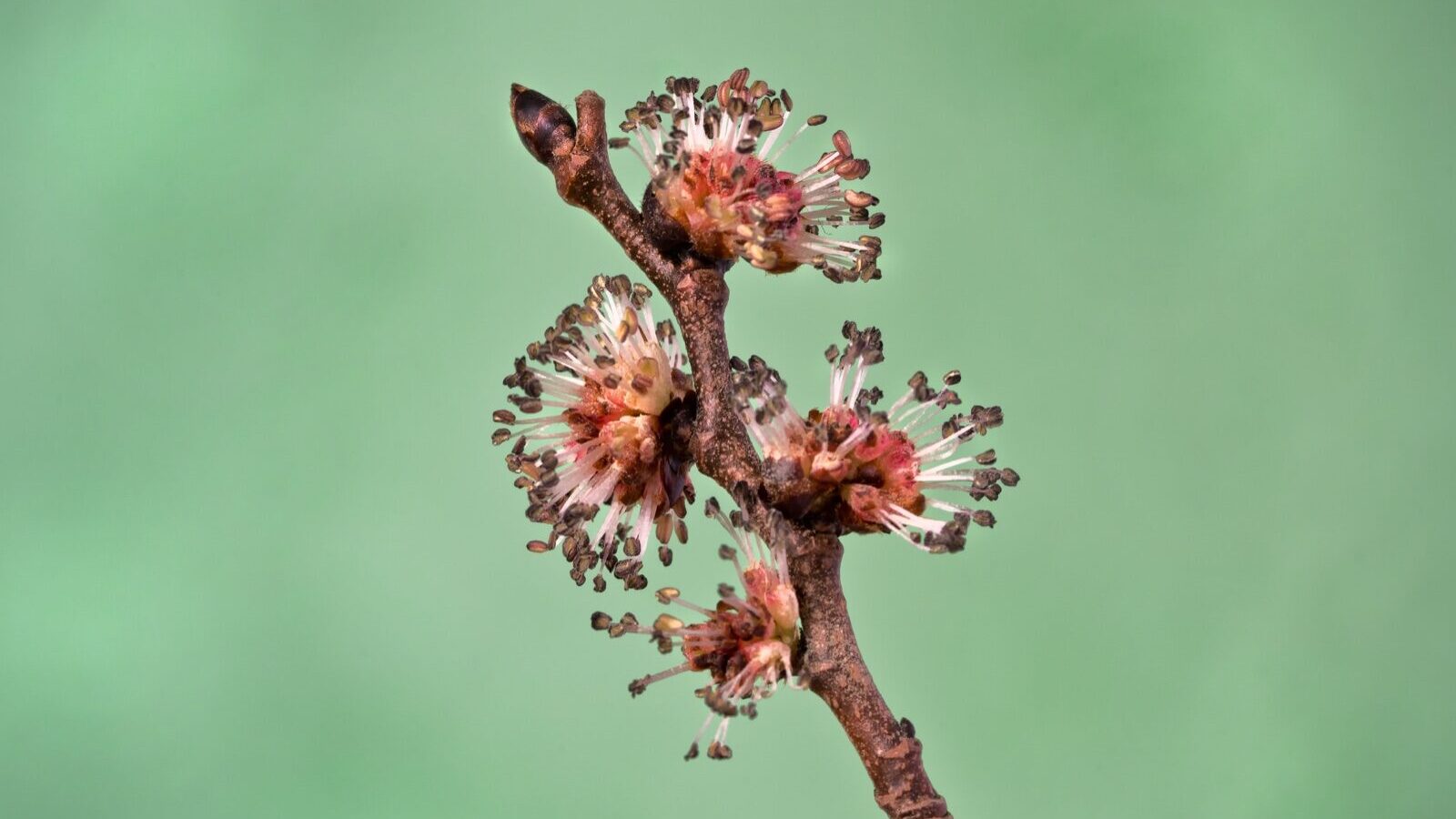
Elm: The Ghost in the Hedgerow
A tree that lost its canopy to a beetle-borne fungus but never quite died — surviving suckers, resistant cultivars, and the butterfly that depends on it.
- 06
 Trees№ 2835 min
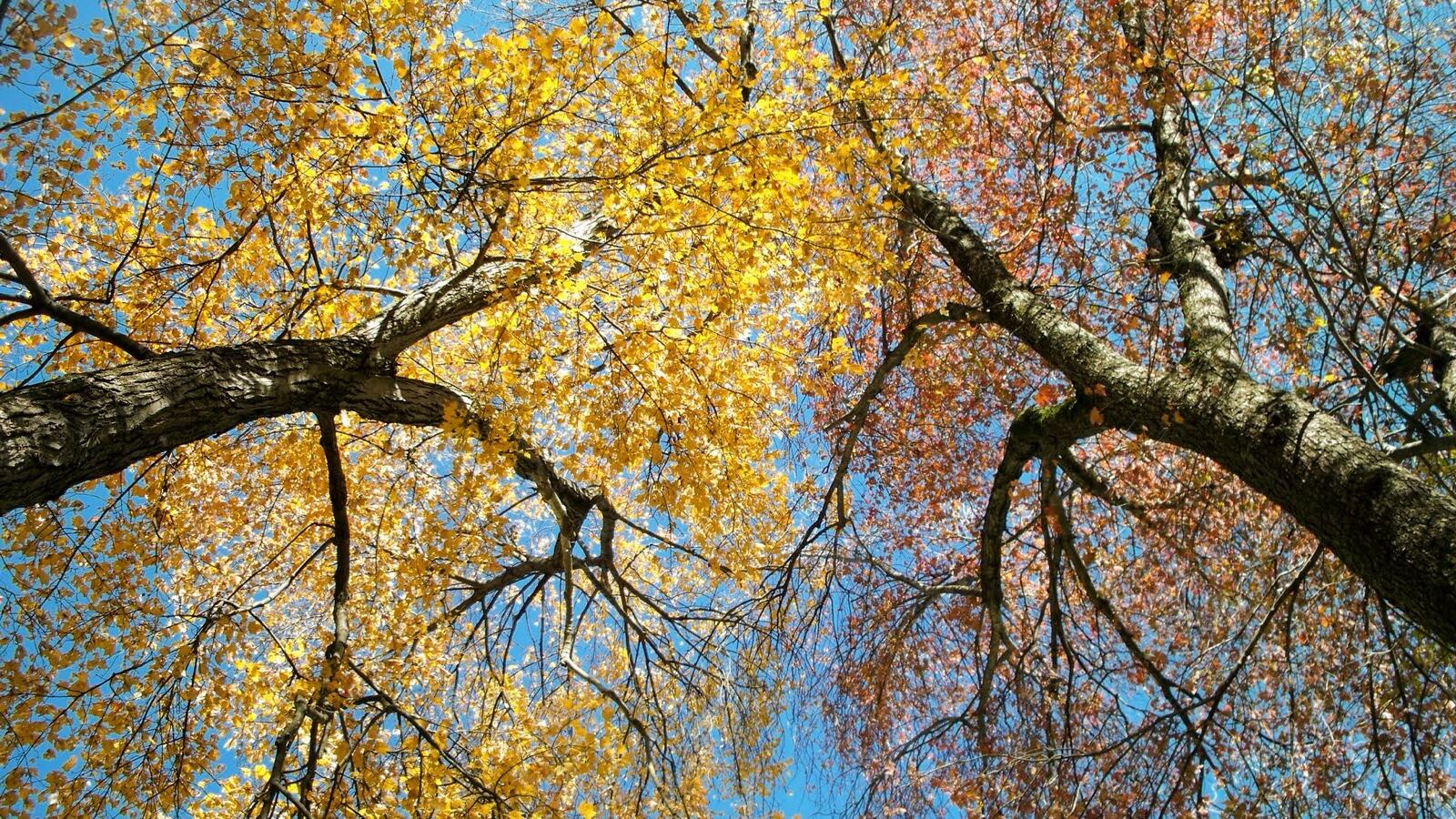
Maples: Sap, Shade, and Autumn Colour
The Acer genus from sugar maple to sycamore — tapping for syrup, why some are invasive elsewhere, and where each fits in a planting.
- 07
 Trees№ 5214 min
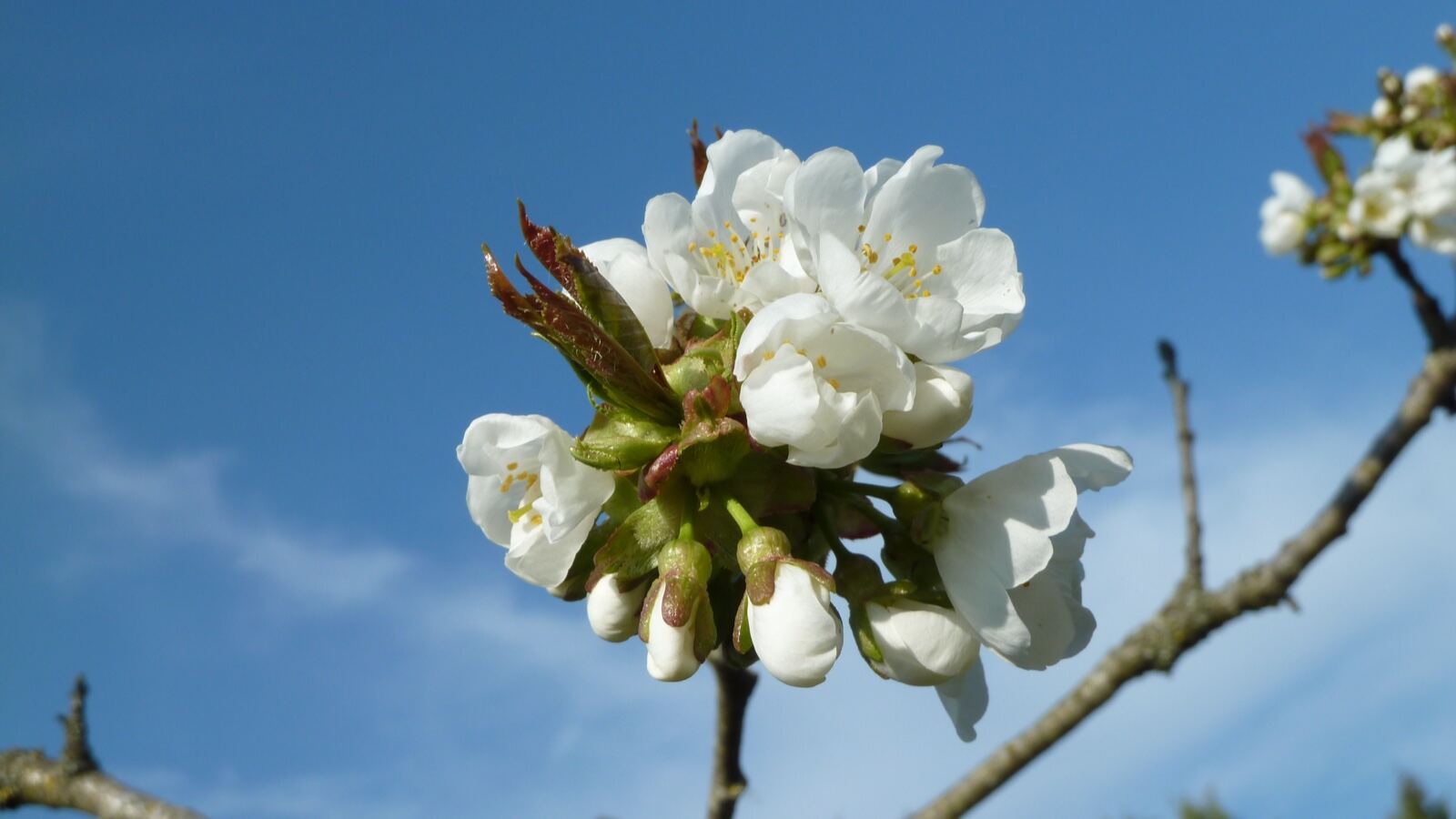
Wild Cherry: Timber, Blossom, and Suckers
Gean and bird cherry — high-value hardwood, a spectacular spring flowering, and a root system that colonises.
- 08
 Trees№ 2695 min
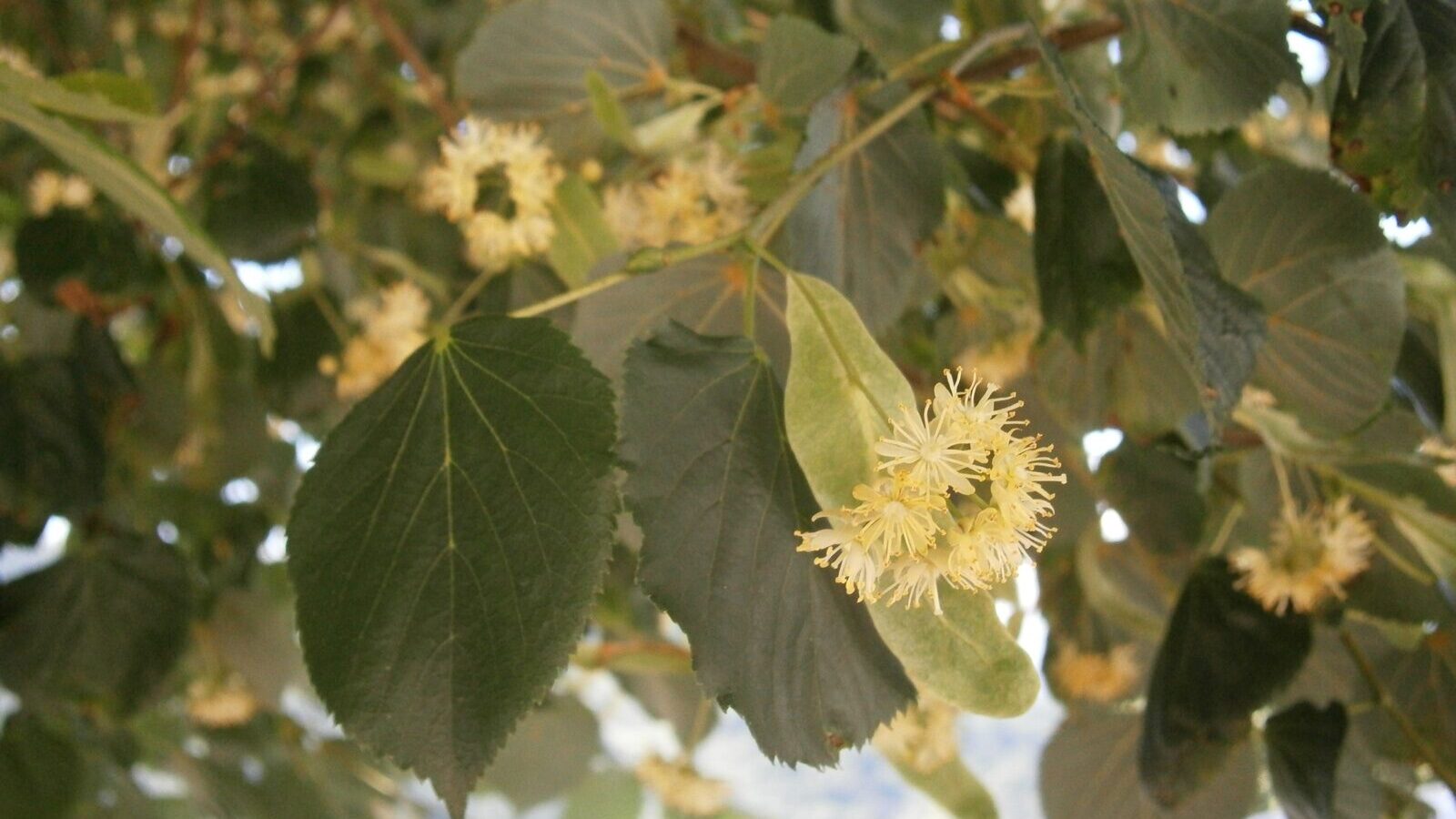
Lime and Linden: The Nectar Tree
Tilia — the most productive nectar tree in temperate forest, the coppice stool that outlives everything, and why the honey is worth planting for.
- 09
 Trees№ 4014 min
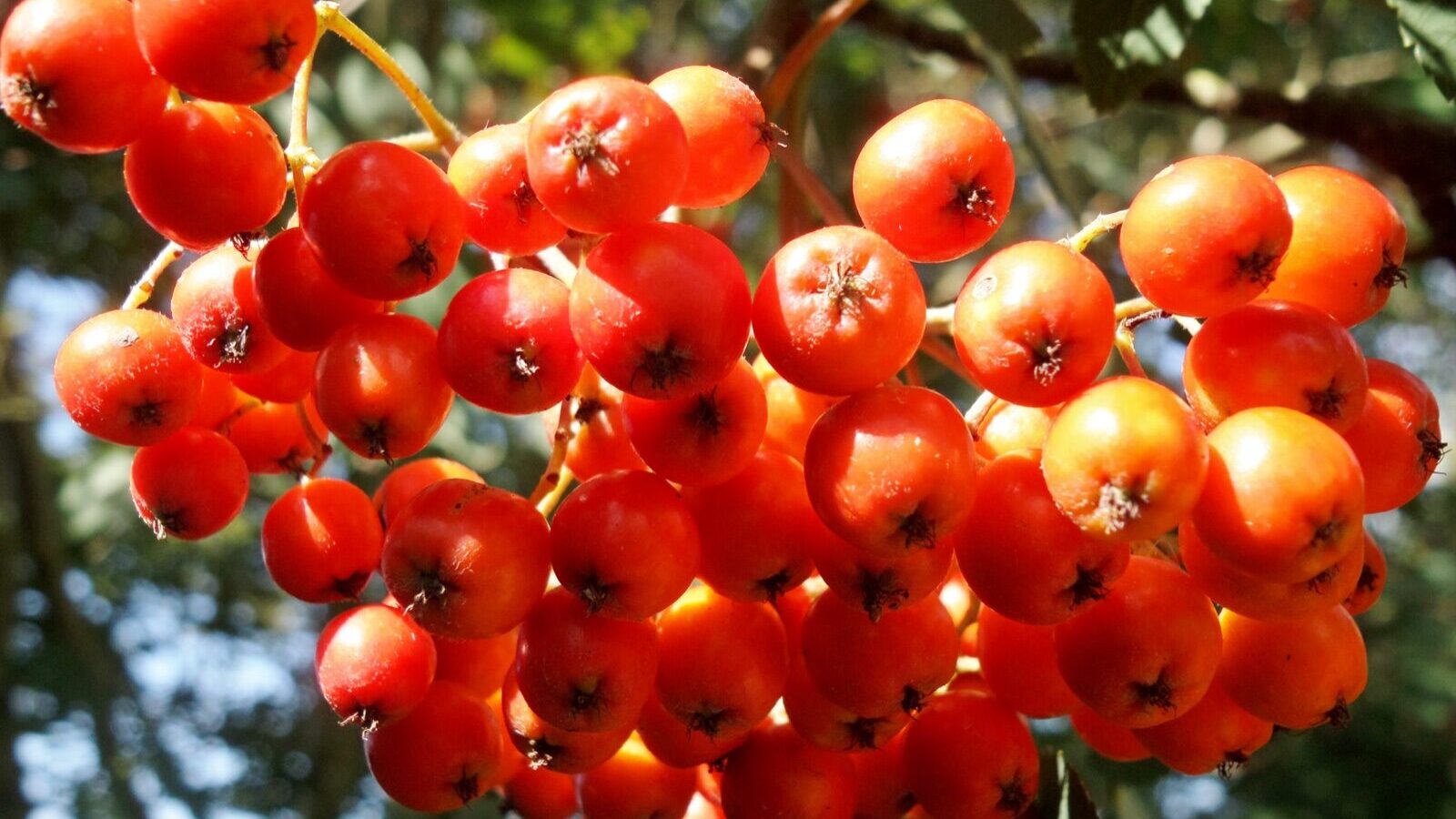
Rowan and Whitebeam: Small Trees, Heavy Berries
Sorbus at altitude and on thin soil — feeding thrushes through autumn, and a genus quietly full of rare apomictic species.
- 10
 Trees№ 0804 min
Chestnut: The Tree That Fed Civilisations
How chestnuts fed mountain Europe for millennia, why the American chestnut nearly vanished, and how to fit chestnuts into a working food forest.
- 11
 Trees№ 5114 min
Walnut: High-Value Timber and Food
Walnut pairs premium timber with calorie-dense nuts. Design around juglone allelopathy and you get one of the most profitable trees in temperate agroforestry.
- 12
 Trees№ 0074 min
Alder: The Nitrogen-Fixing Wet-Site Pioneer
How alder partners with Frankia bacteria to fix nitrogen, hold stream banks, and turn waterlogged ground into fertile soil for the trees that come next.
- 13
 Trees№ 4334 min
Silver Birch: Light Canopy, Deep Roots
How silver birch colonises bare ground, connects with over a hundred fungal species, and nurses slower trees toward maturity.
- 14
 Trees№ 5254 min
Willow: The Pioneer That Grows from a Stick
Willows root from bare cuttings, stabilise riverbanks, coppice endlessly, and serve as living infrastructure across temperate landscapes.
- 15
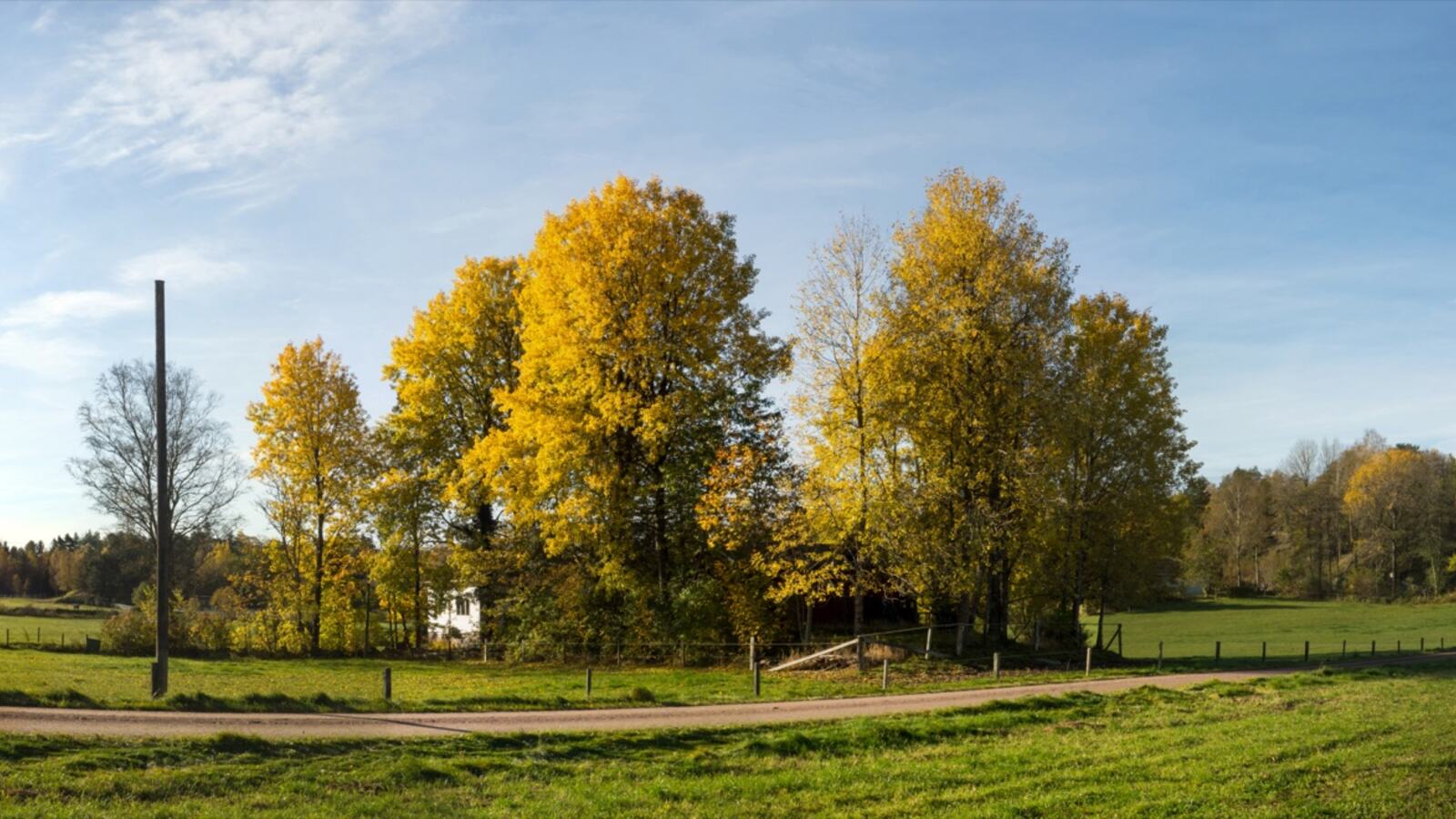 Trees№ 3675 min
Poplar and Aspen: Fast, Clonal, and Underrated
The fastest temperate hardwoods — short-rotation biomass, phytoremediation, and the aspen clone that is one of the largest organisms on earth.
- 16
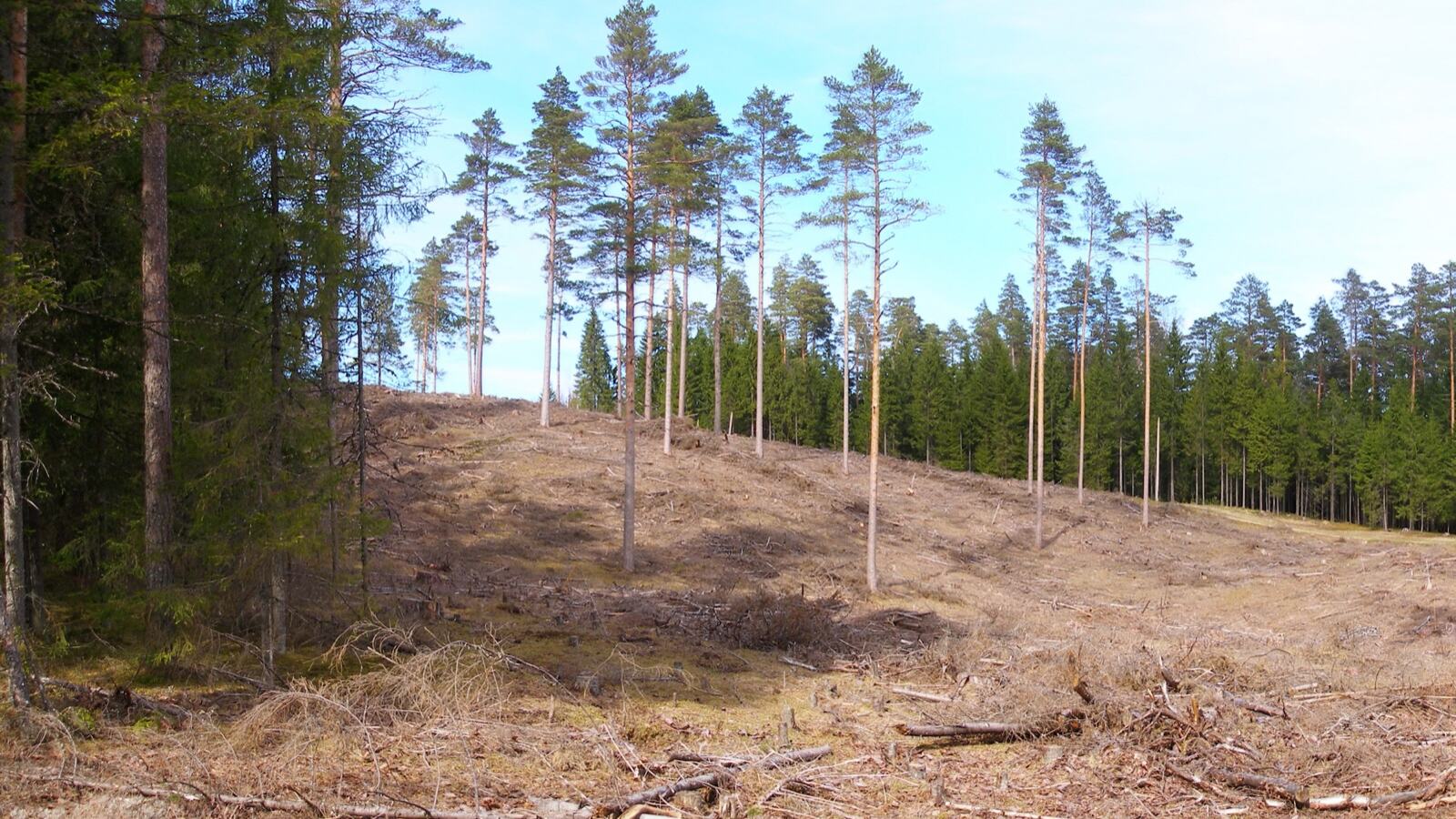 Trees№ 0996 min
Conifers: The Evergreen Backbone
The genera worth knowing, what conifer litter does to soil, and the difference between a conifer plantation and a conifer forest.
- 17
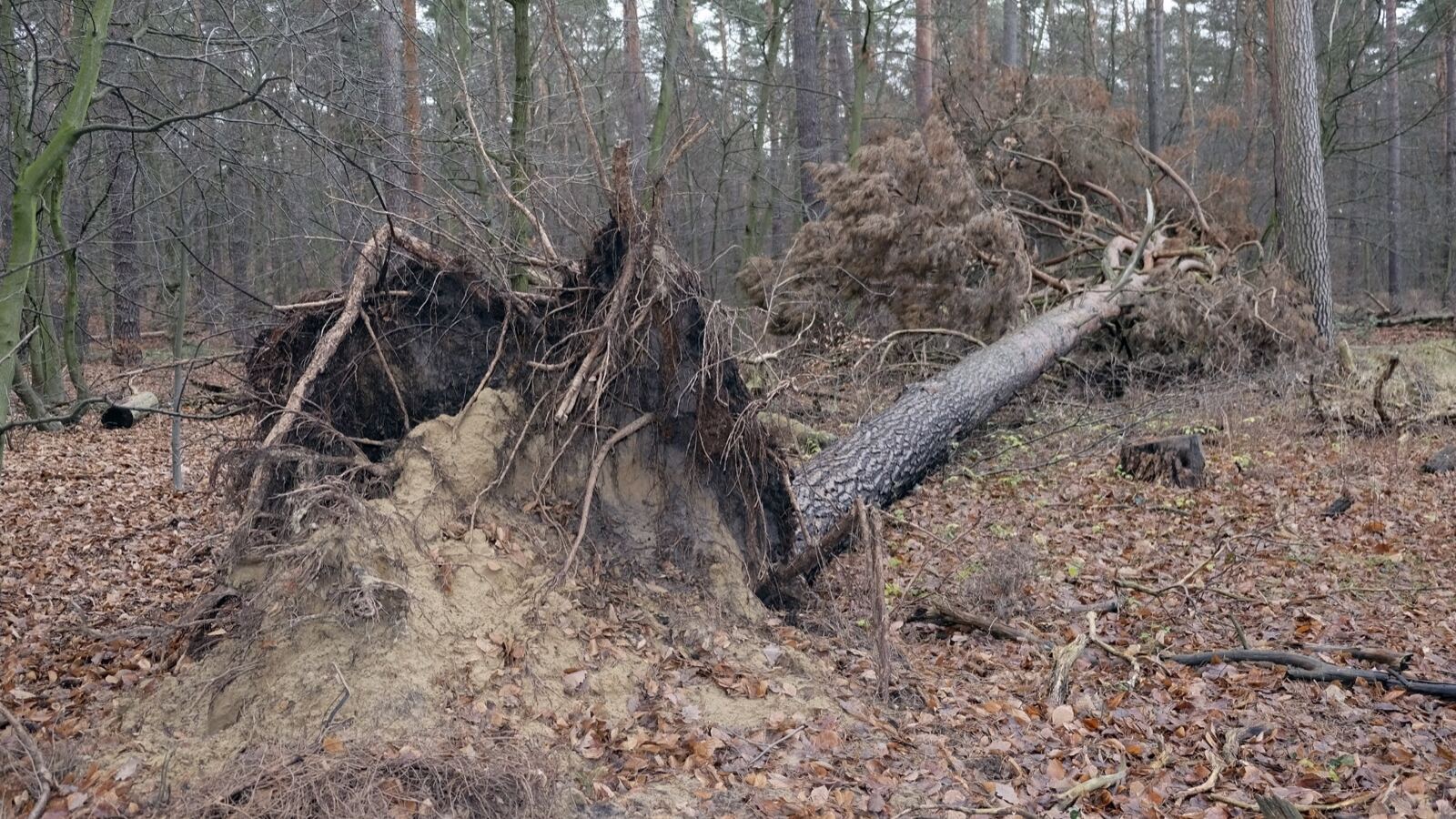 Trees№ 4135 min
Scots Pine: The Widest-Ranging Pine on Earth
Orange upper bark, paired needles, and a native pinewood reduced to fragments — plus why it regenerates on bare mineral soil and nowhere else.
- 18
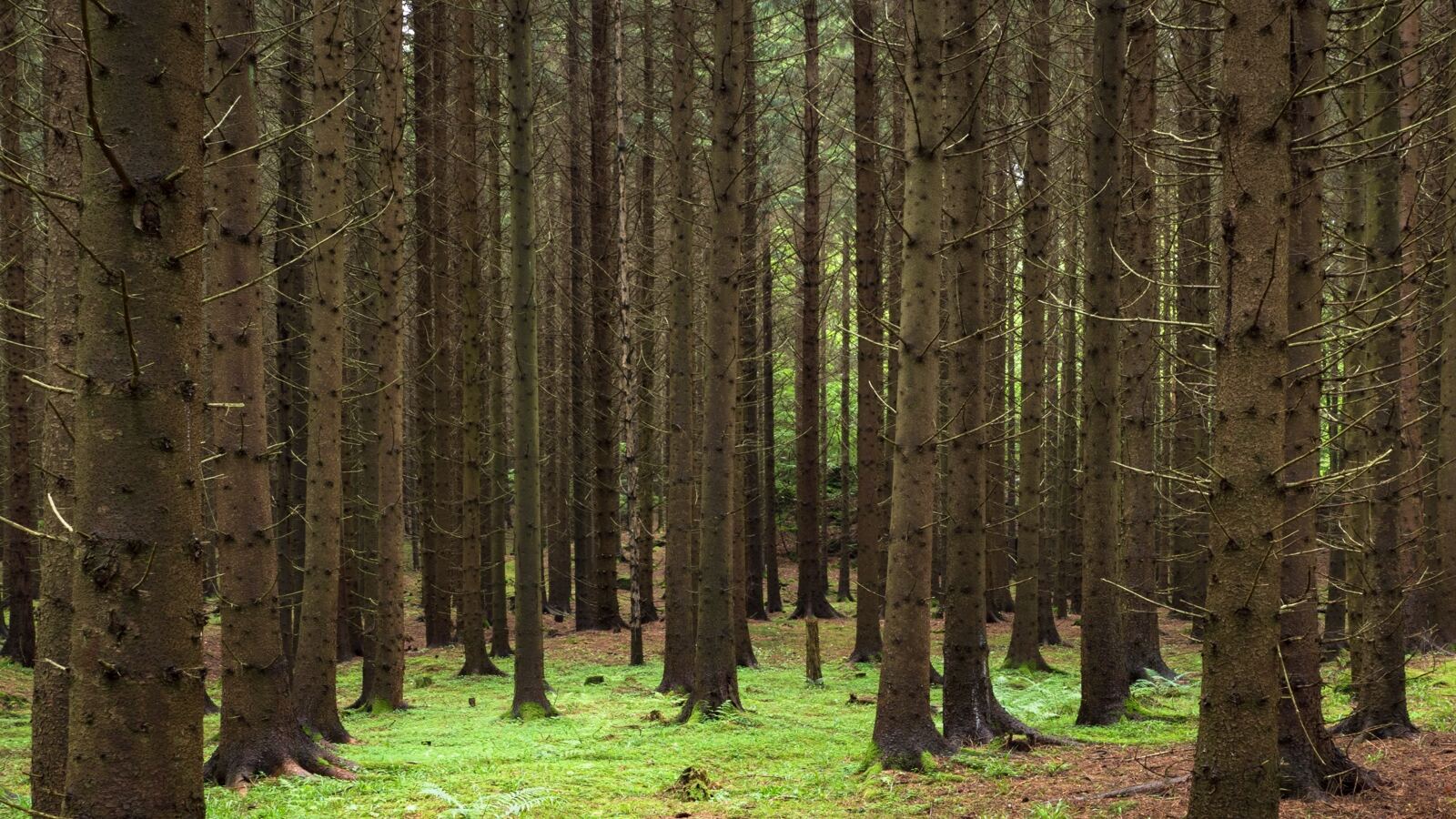 Trees№ 4575 min
Spruces: The Plantation Tree Everyone Argues About
Norway and Sitka — fast, shallow-rooted, wind-thrown, and responsible for both the timber supply and the worst of plantation forestry's reputation.
- 19
 Trees№ 1335 min
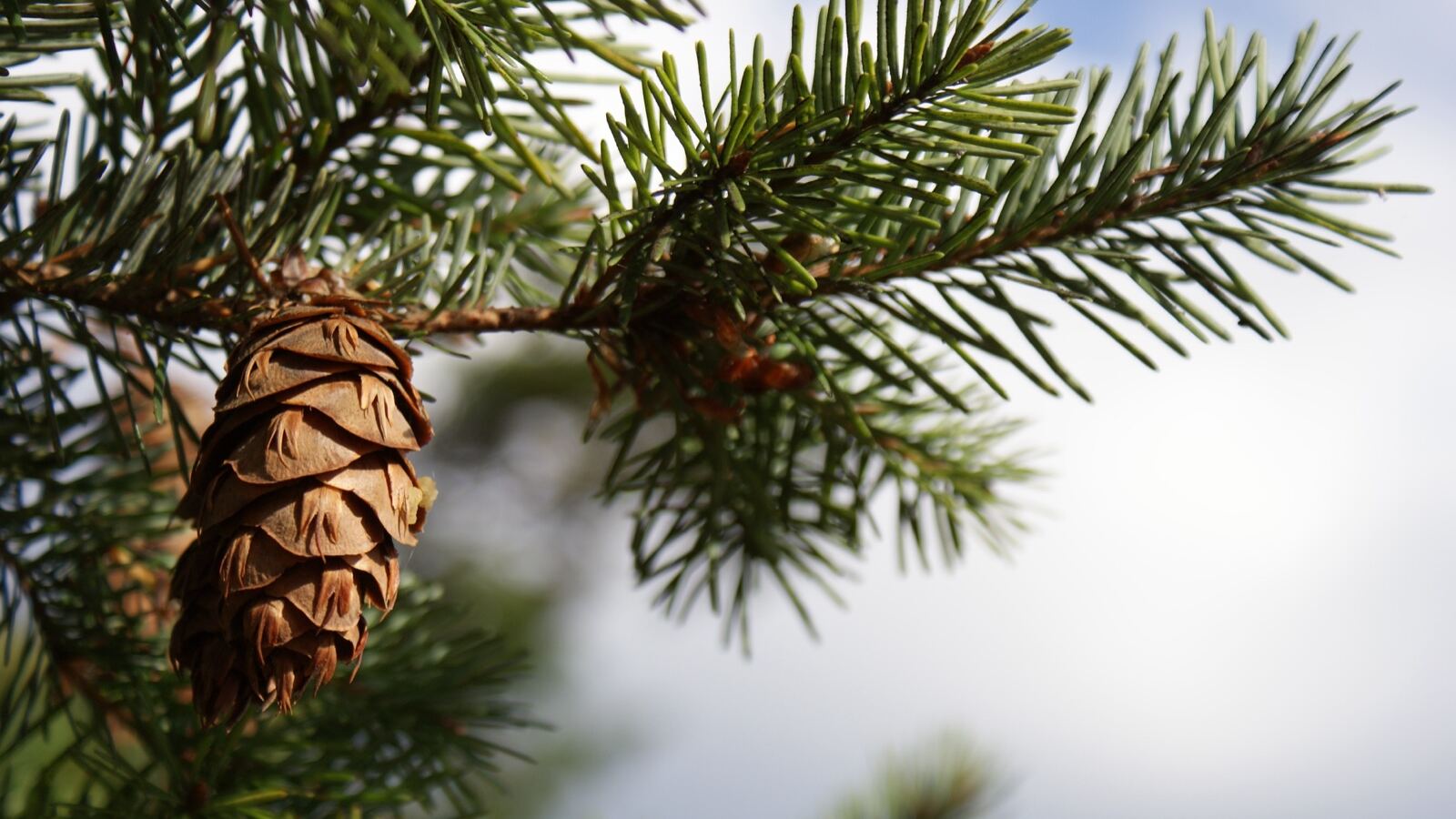
Douglas Fir: Not a Fir, and the Best Softwood There Is
Three-pointed bracts on the cones, deep roots that resist windthrow, and the timber that built the Pacific Northwest.
- 20
 Trees№ 2595 min
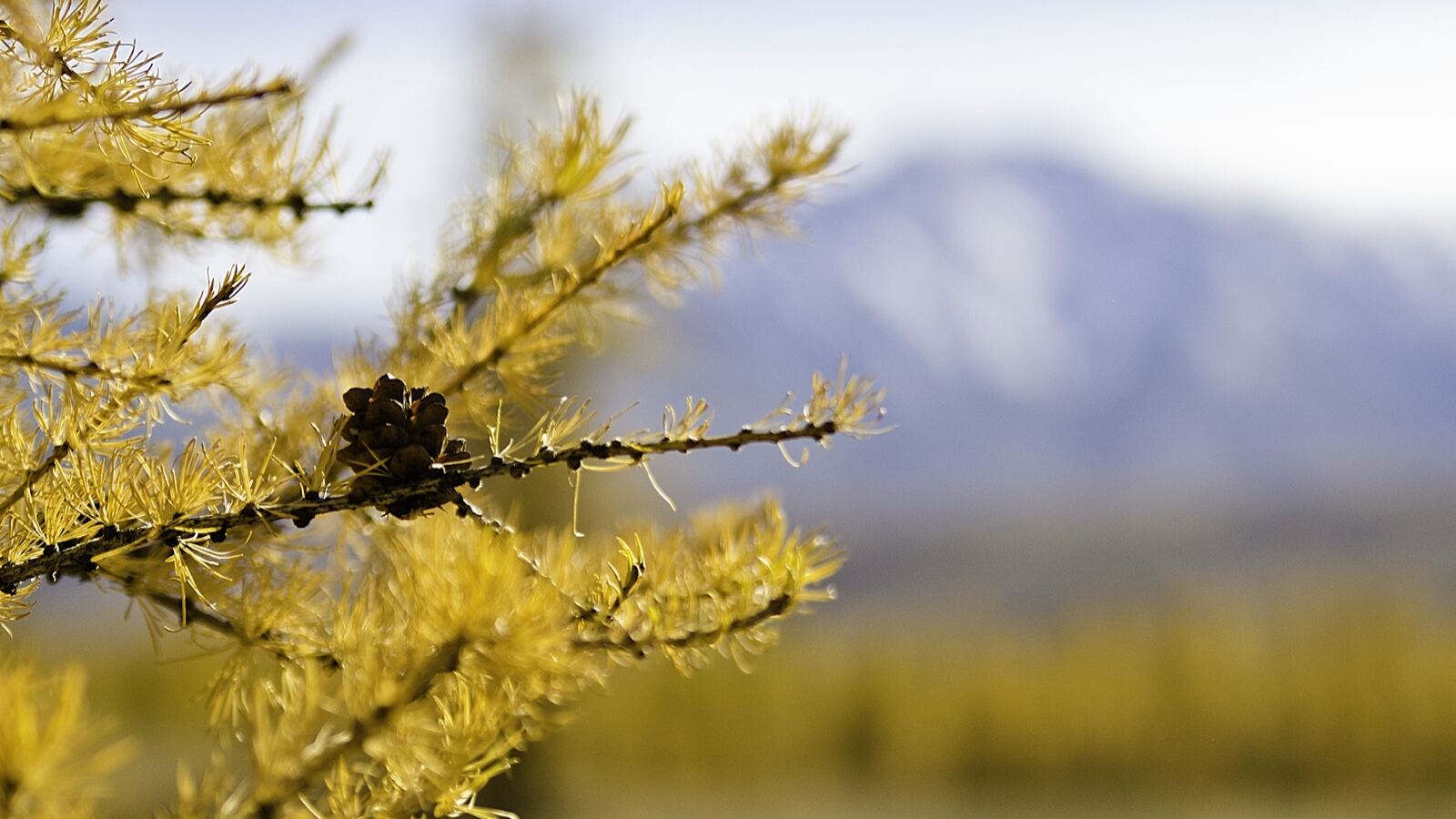
Larch: The Conifer That Drops Its Needles
A deciduous conifer with litter that improves soil rather than acidifying it, durable timber, and a Phytophthora epidemic behind it.
- 21
 Trees№ 5355 min
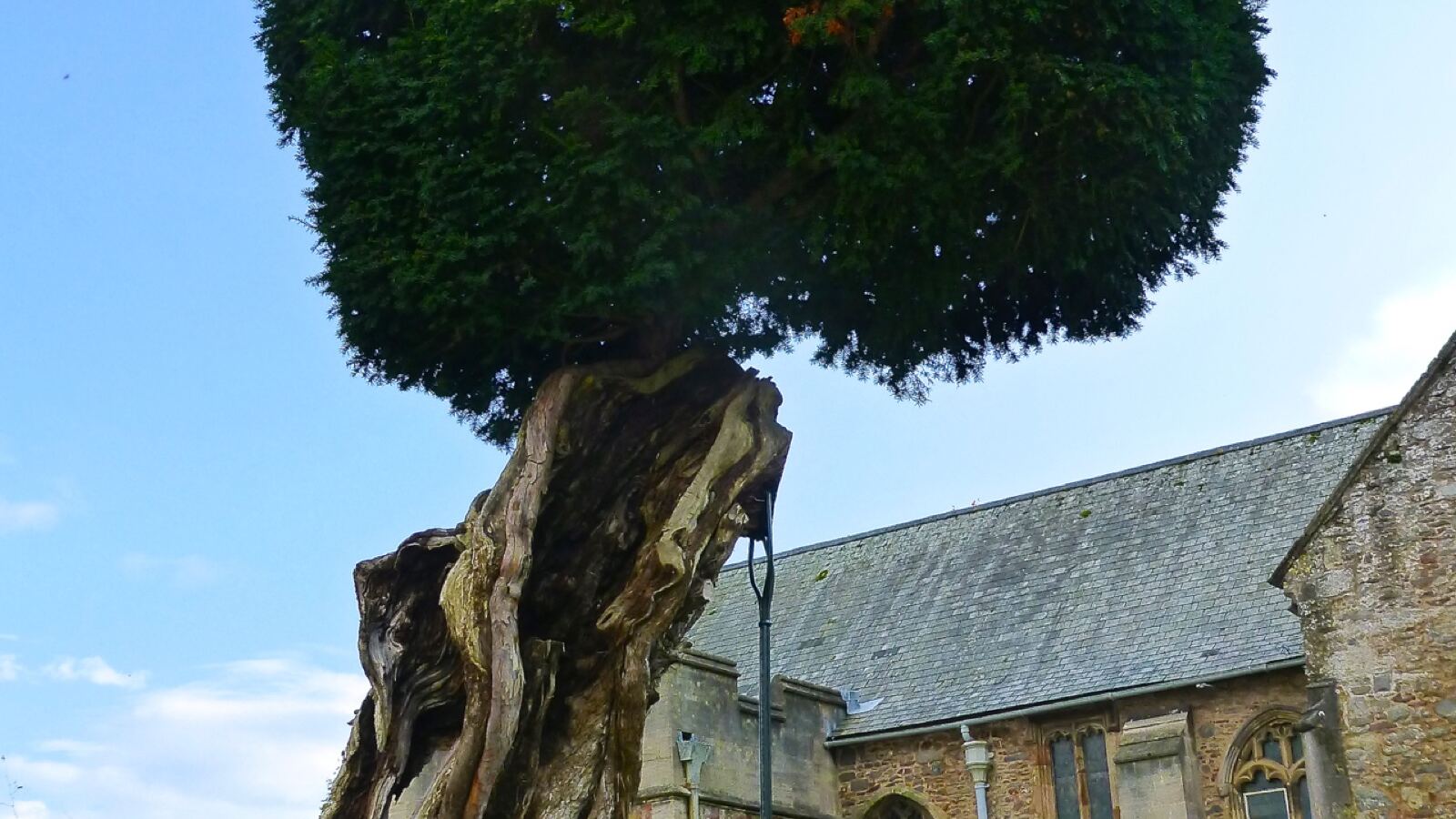
Yew: The Tree That Outlives the Churchyard
Thousands of years old, toxic in every part but the aril, and the only major conifer that resprouts from old wood.
- 22
 Trees№ 3434 min
Paulownia: The Fastest Growing Hardwood on Earth
Paulownia grows faster than any hardwood on earth. That power makes it valuable on degraded land and dangerous in the wrong place.
- 23
 Trees№ 1554 min
Eucalyptus: Controversial Giant, Essential Keystone
Why eucalyptus is not one tree but over 700 species, irreplaceable in Australia and disruptive when planted as monocultures elsewhere.
- 24
 Trees№ 0016 min
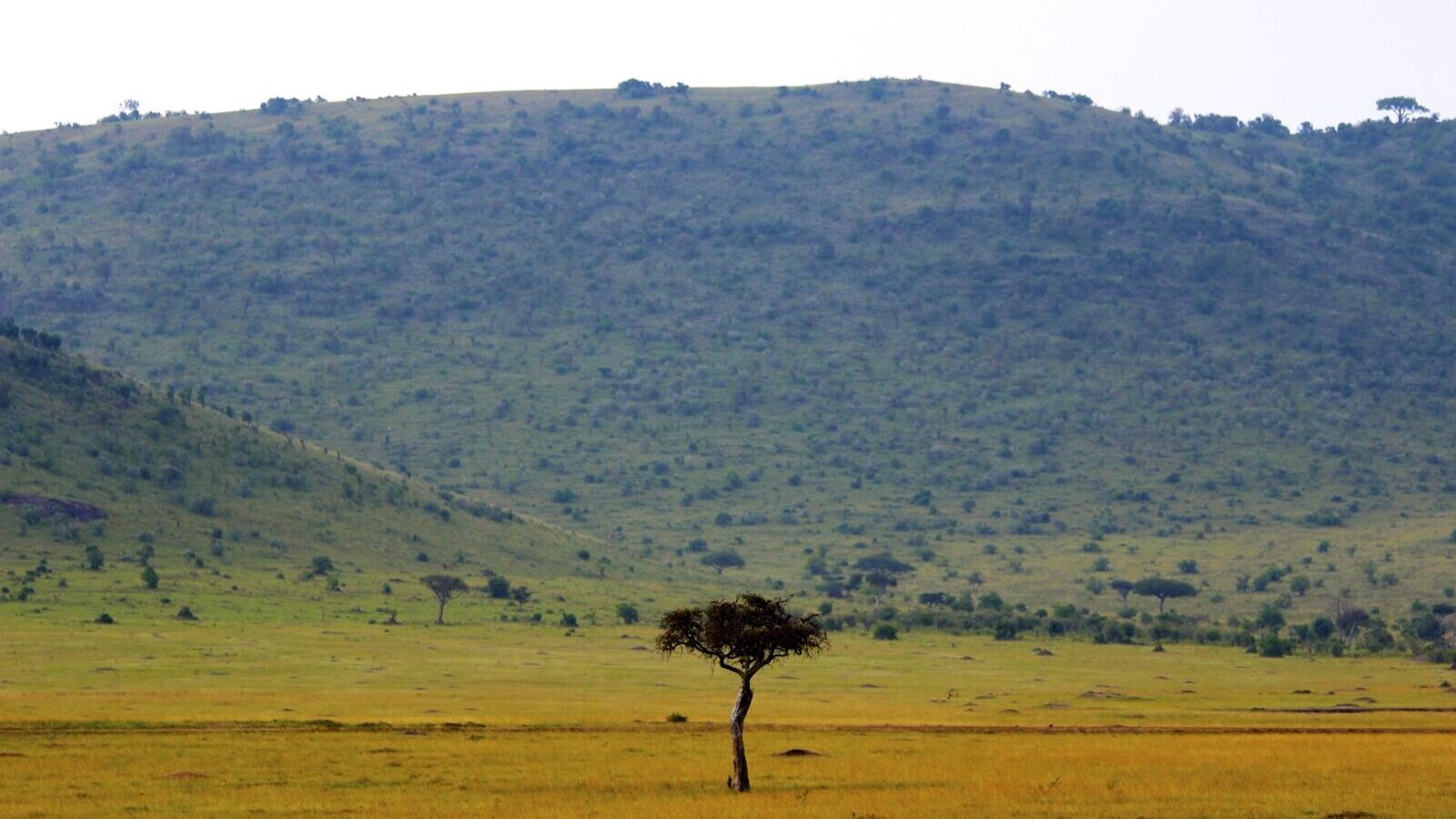
Acacia: The Thorn Trees That Hold the Drylands
Nitrogen-fixing dryland keystones, the ant partnerships and chemical defences, and the reverse-phenology tree that fertilises crops beneath it.
- 25
 Trees№ 3004 min
Moringa Oleifera: The Miracle Tree
Everything you need to know about growing and using Moringa oleifera, the fast tropical tree with edible leaves and seed-based water purification.
- 26
 Trees№ 0313 min
Baobab: The Tree of Life
The ancient baobab stores thousands of litres of water, feeds people and pollinators, and anchors African savannas for two thousand years.
- 27
 Trees№ 1615 min
Fig Species: Tropical Keystones That Feed Everything
Why 750-plus species of Ficus are the most important tree genus in the tropics, fruiting year-round and feeding more wildlife than almost any other plant.
- 28
 Trees№ 2824 min
Mangroves: Coastal Guardians
Salt-tolerant trees that build coastline, store carbon at five times the rate of upland forest, and feed three quarters of tropical fisheries.