A garden for wildlife
Letting the rest of the ecosystem move in and do its half of the work.
- 01
 Restoration№ 3623 min
Pollinator Habitat: Beyond Honeybees
Support the 20,000 bee species and the butterflies, moths, hoverflies, and beetles that hold ecosystems together.
- 02
 Wildlife№ 3084 min
Native Bees: 20,000 Species Beyond the Honeybee
The world's 20,000 wild bee species are mostly solitary, mostly overlooked, and outperform honeybees on most crops they touch.
- 03
 Wildlife№ 2224 min
Hoverflies: Pollinator and Pest Controller in One
How hoverflies deliver both pollination and aphid control in one insect family, and why flat-topped umbellifer flowers pull them in.
- 04
 Wildlife№ 4203 min
Birds as Seed Dispersers: Recruitment Services for Free
Fruit-eating birds carry seeds kilometres from parent trees, drive forest regeneration, and stitch fragments together when you plant the right fruiting species.
- 05
 Wildlife№ 2285 min
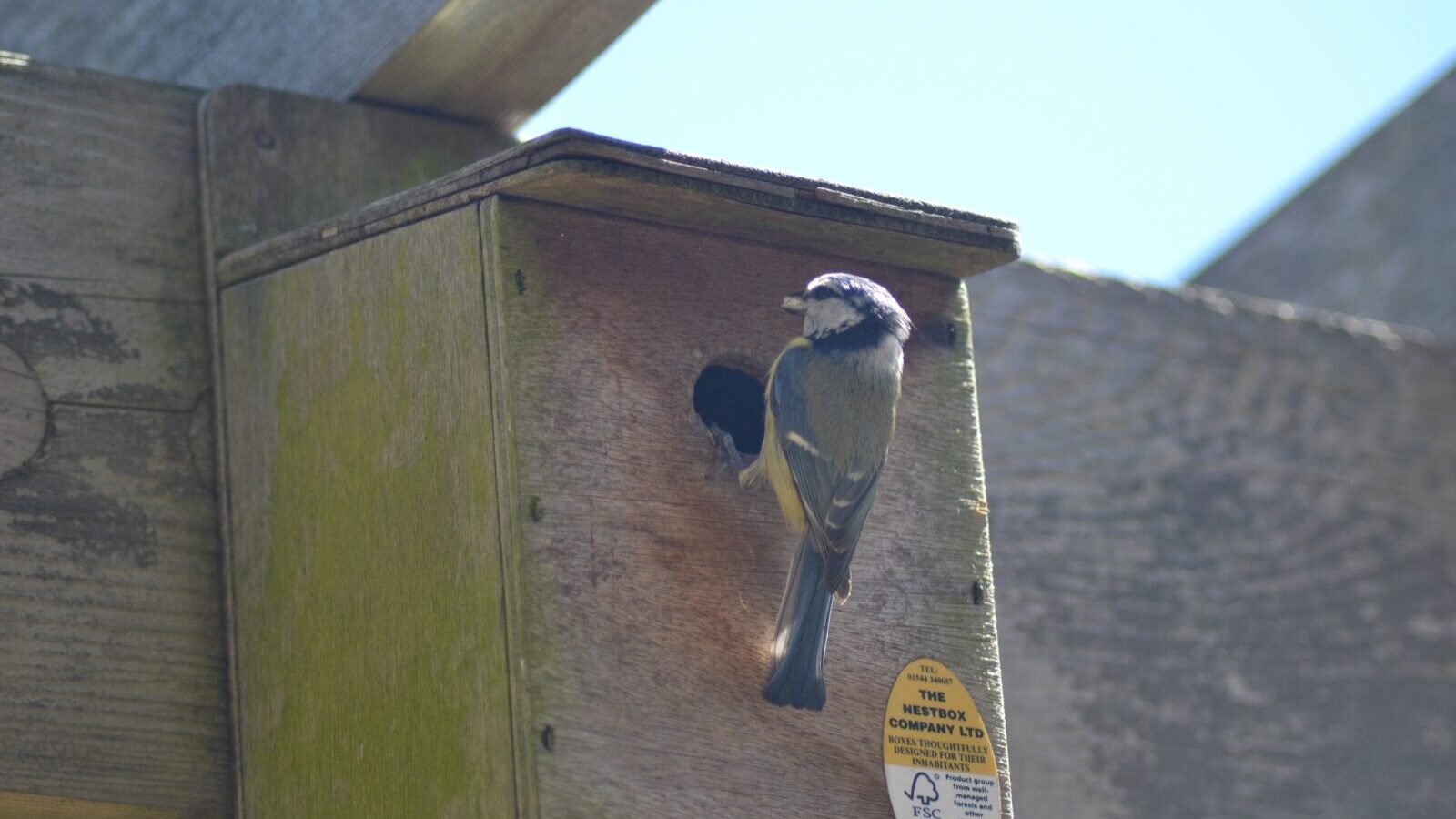
Insectivorous Birds: Pest Control With Feathers
What a family of tits removes from an orchard in a season, why nest boxes work, and the habitat structure that keeps birds hunting your crop.
- 06
 Wildlife№ 0125 min
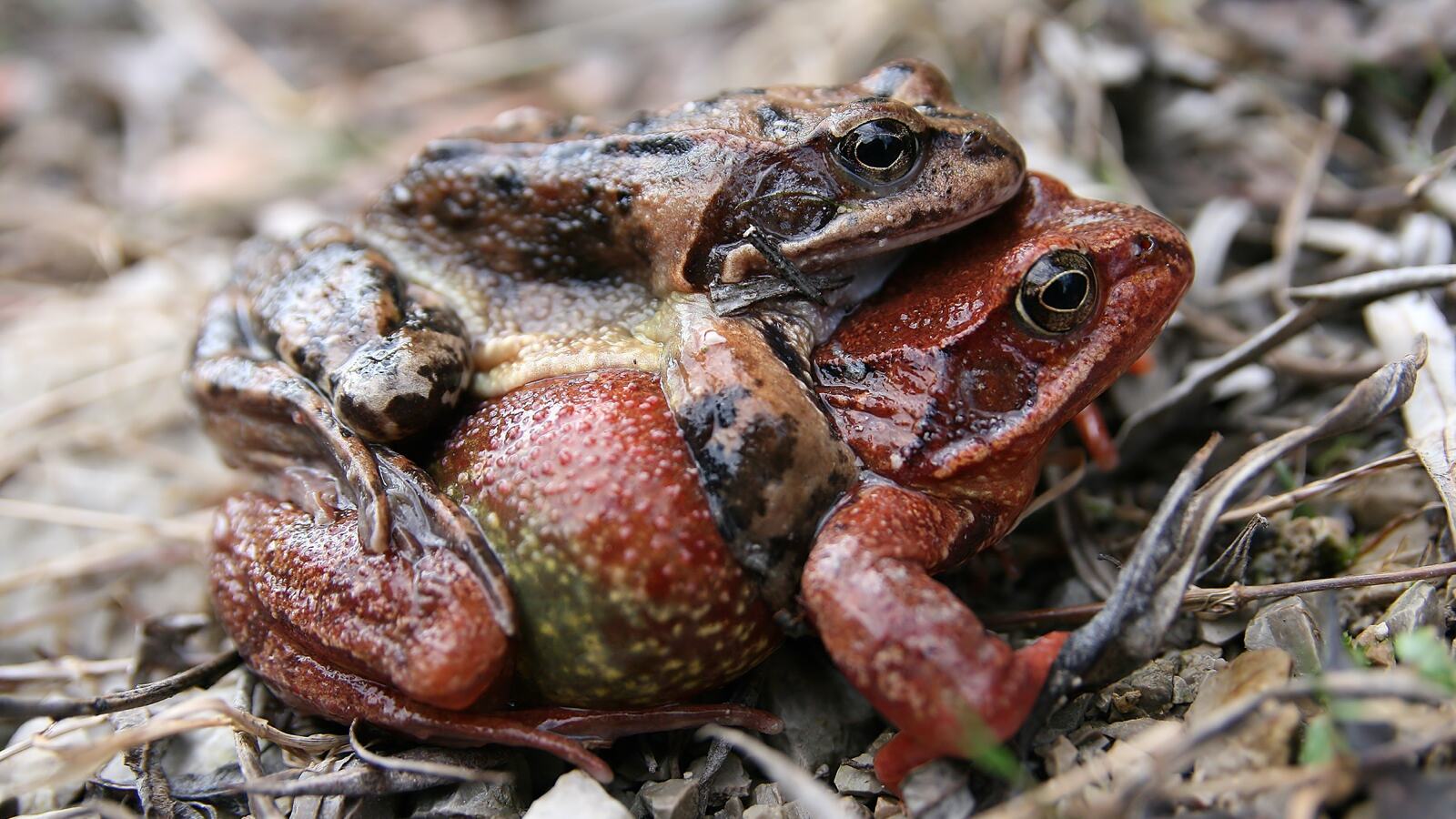
Amphibians and Reptiles: The Pest Control You Never See
Frogs, toads, newts, lizards and snakes as garden predators — what they need in habitat terms, and why ponds without fish matter most.
- 07
 Wildlife№ 0365 min
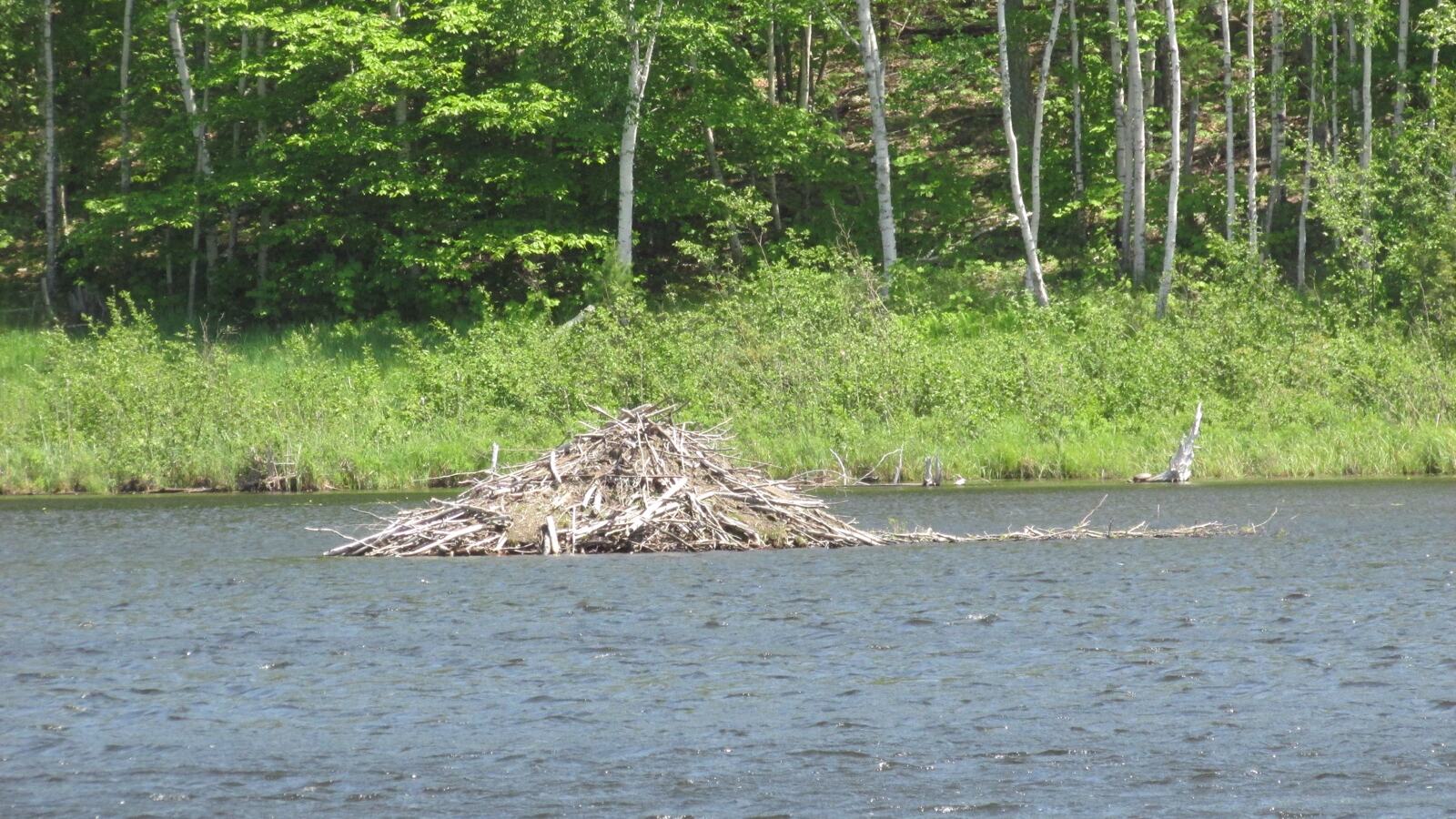
Beavers: The Animal That Does the Earthworks
Dam-building rodents that rebuild hydrology for free — flood attenuation, drought buffering, and the conflicts that decide whether they stay.
- 08
 Restoration№ 1214 min
Dead Wood Habitat: Leave It, Add More
Why standing and fallen dead wood is one of the most important habitats in any forest, supporting over twenty percent of woodland biodiversity.
- 09
 Restoration№ 5234 min
Wildlife Corridors: Connecting Fragmented Habitats
How hedgerows, riparian strips, and green bridges reconnect isolated habitat patches, keeping gene flow alive and preventing local extinctions.
- 10
 Restoration№ 3924 min
Rewilding Edges: The Biodiversity of Untidiness
Why the boundaries you stop mowing become the richest part of your land, and how to manage the social pushback while nature reclaims the margins.