The principles of ecology
The ideas underneath the practical chapters — how life fits together, how energy and nutrients move, and why diversity, disturbance and limits decide what endures.
- 01
 Ecology№ 0433 min
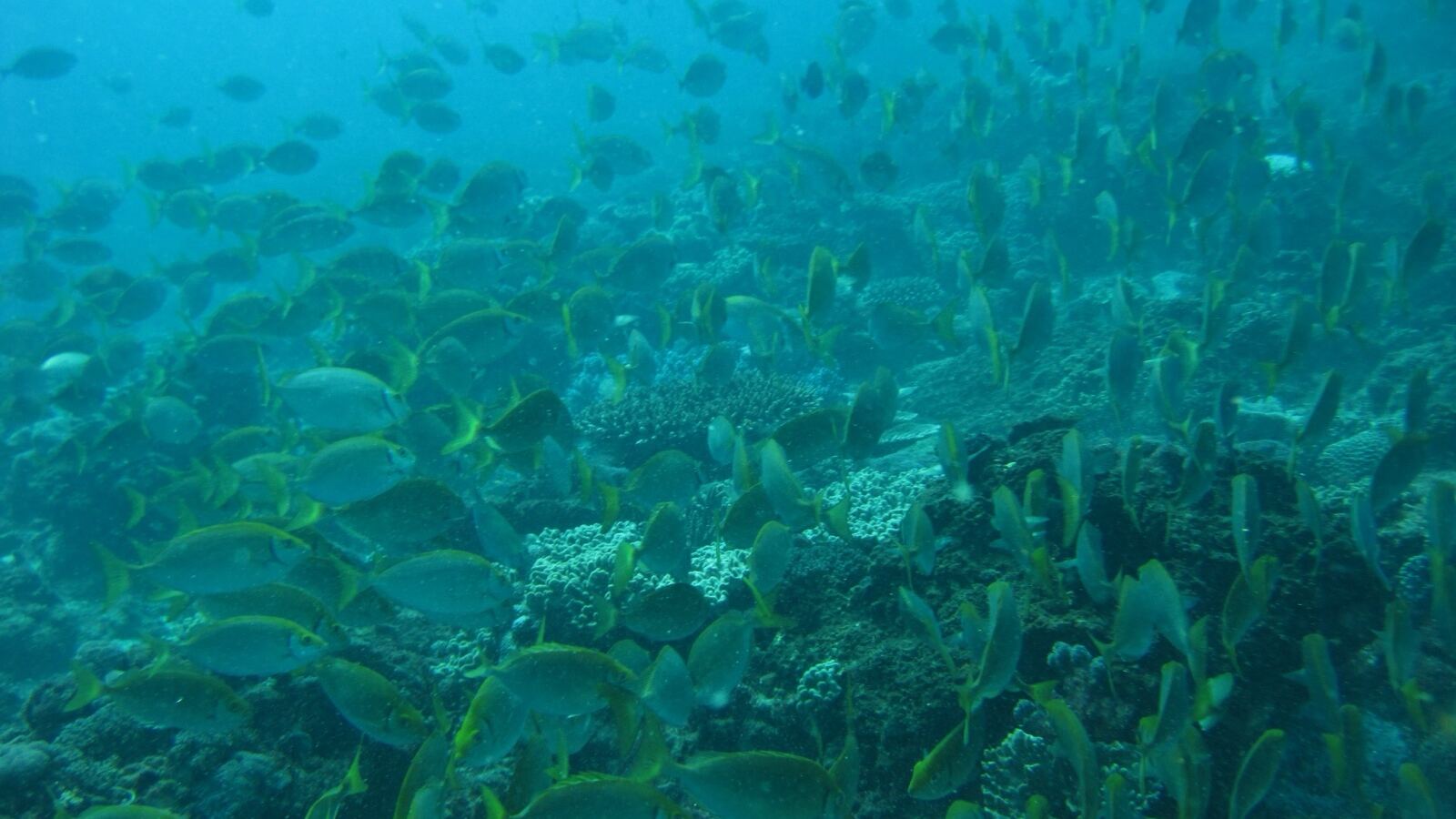
Biodiversity: Why Variety Is the Insurance of Life
The variety of life at three levels — genes, species, and ecosystems — and why a diverse system is more productive, more stable, and more able to survive shocks than a simplified one.
- 02
 Ecology№ 1723 min
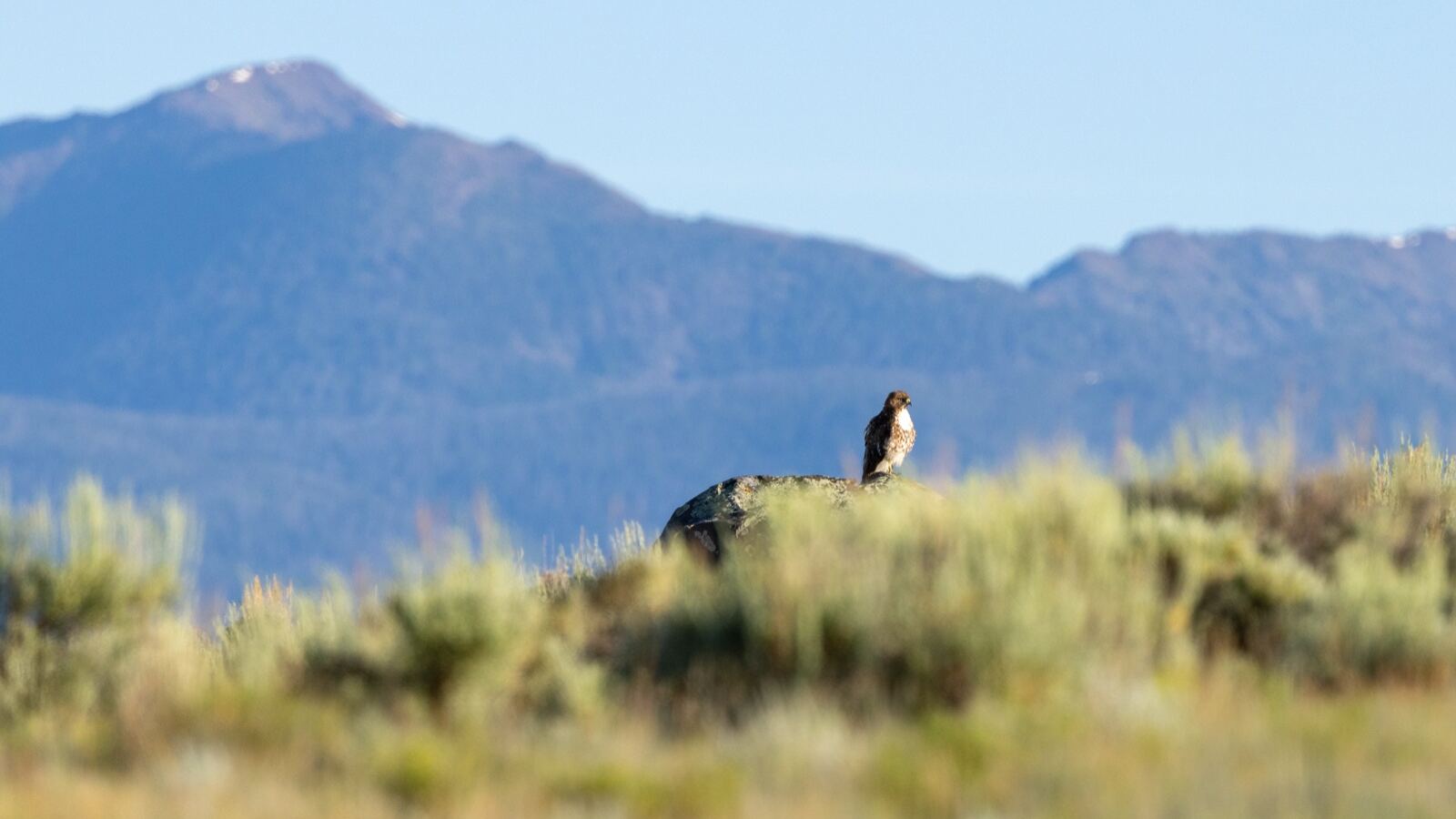
Food Webs: Who Eats Whom, and the 10% Rule
How energy flows through an ecosystem from plants to predators — the trophic levels, the reason each level holds far less than the one below, and why food webs, not chains, are what really hold together.
- 03
 Ecology№ 3234 min
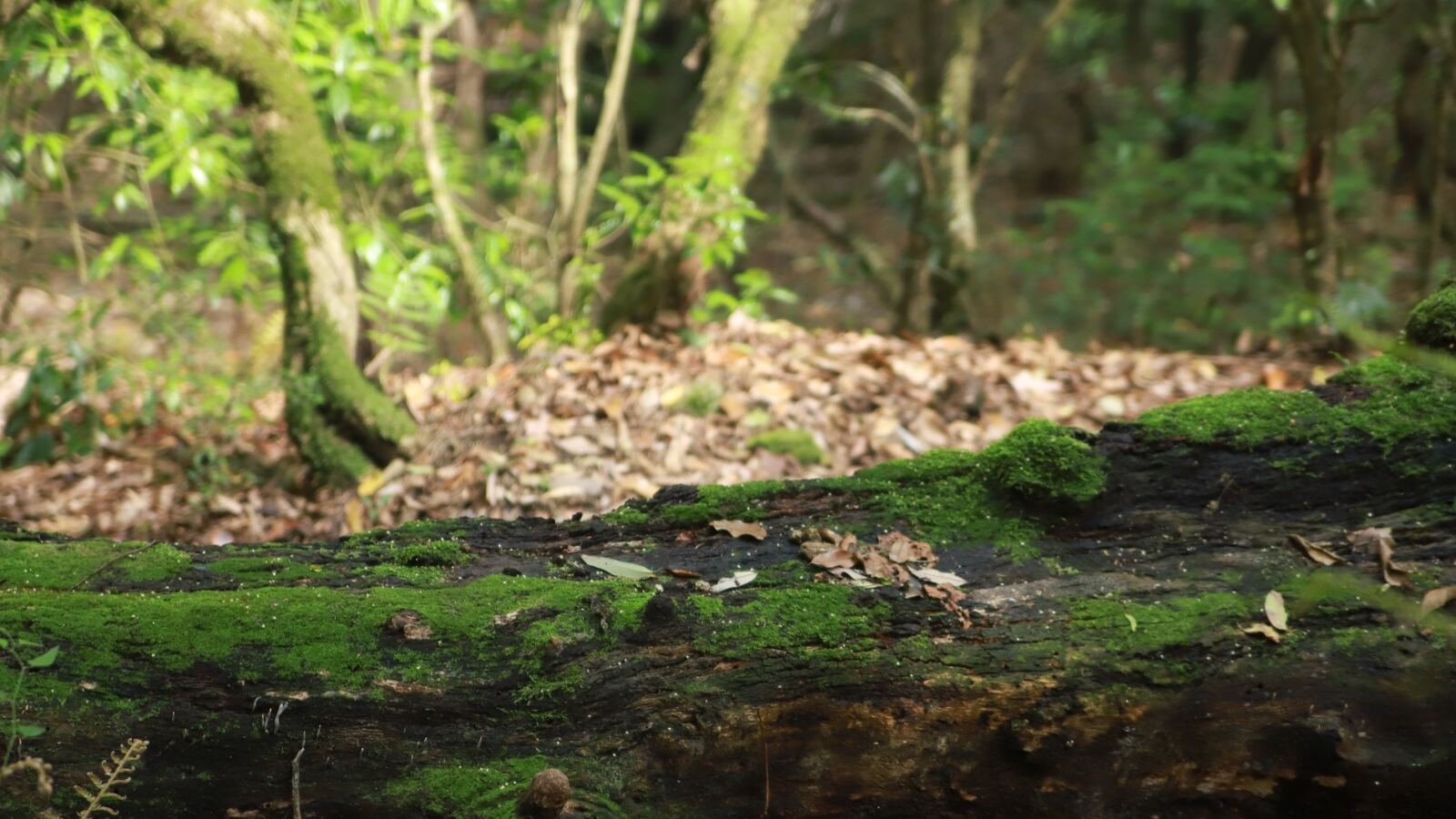
Nutrient Cycling: How Nature Runs Without Waste
Energy flows through an ecosystem and is lost, but matter goes round and round — carbon, nitrogen, and phosphorus cycling endlessly from soil to life and back. The closed loops that a healthy system runs on, and that farming so often breaks.
- 04
 Ecology№ 3053 min
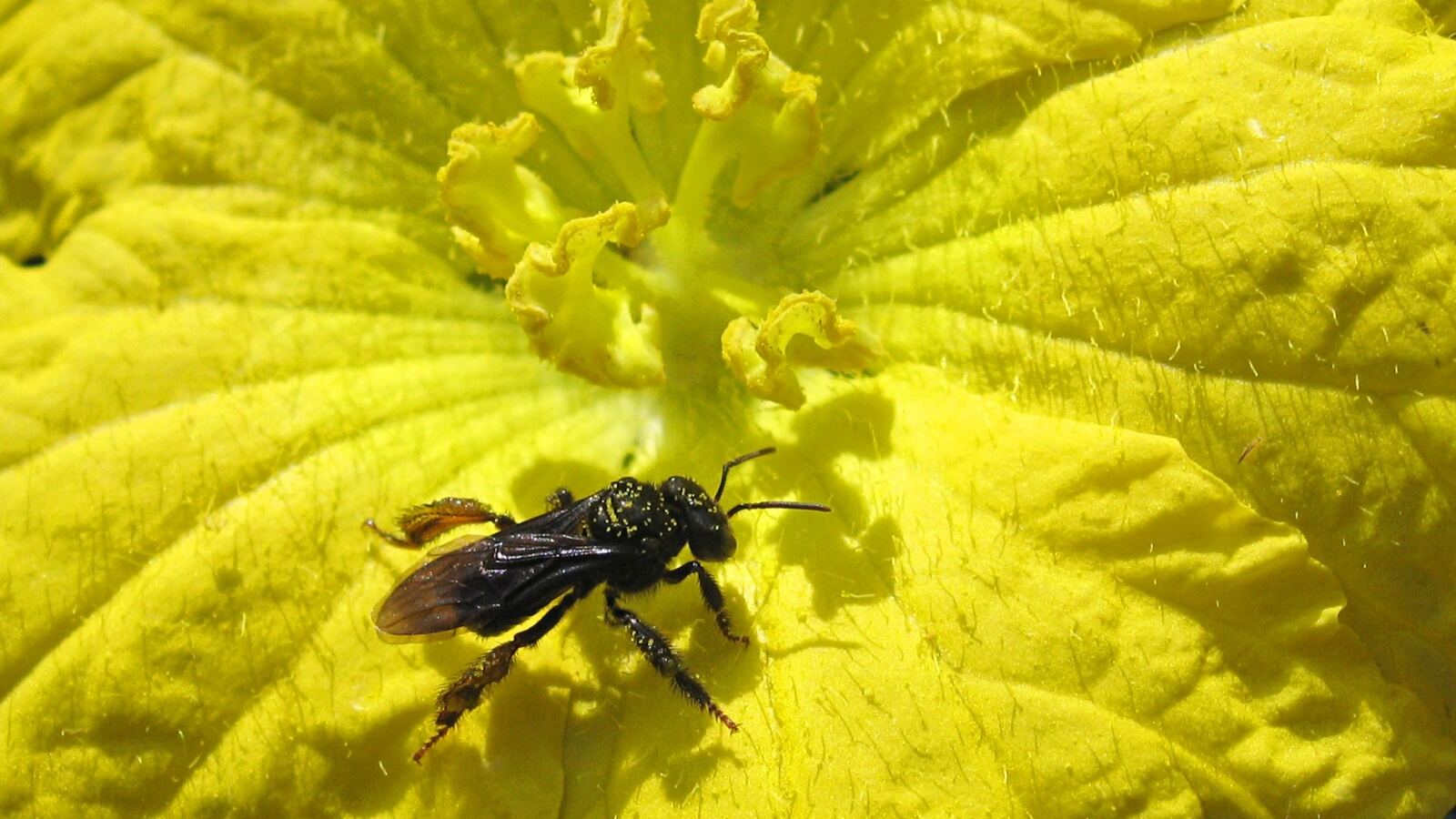
Mutualism and Symbiosis: The Partnerships That Run the World
Living things do not only compete — they partner. The mutualisms between plants and fungi, trees and insects, that quietly underpin whole ecosystems, and the spectrum from cooperation through freeloading to parasitism.
- 05
 Ecology№ 0963 min
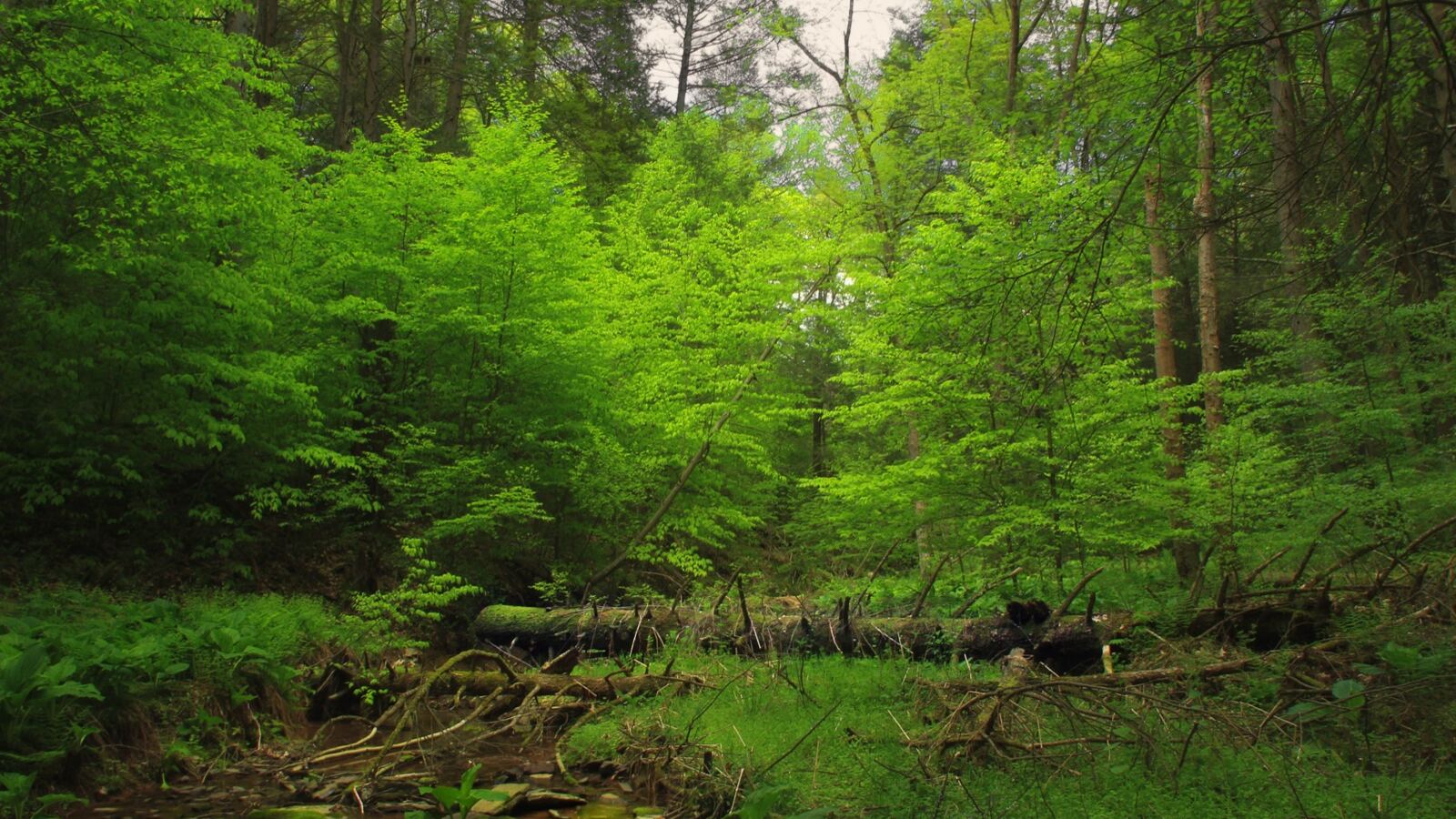
Competition: How Species Divide a Crowded World
Two species cannot make a living in exactly the same way in the same place — so they compete, and one wins, unless they divide the resource between them. The principle behind spacing, succession, and the layers of a forest.
- 06
 Ecology№ 1463 min
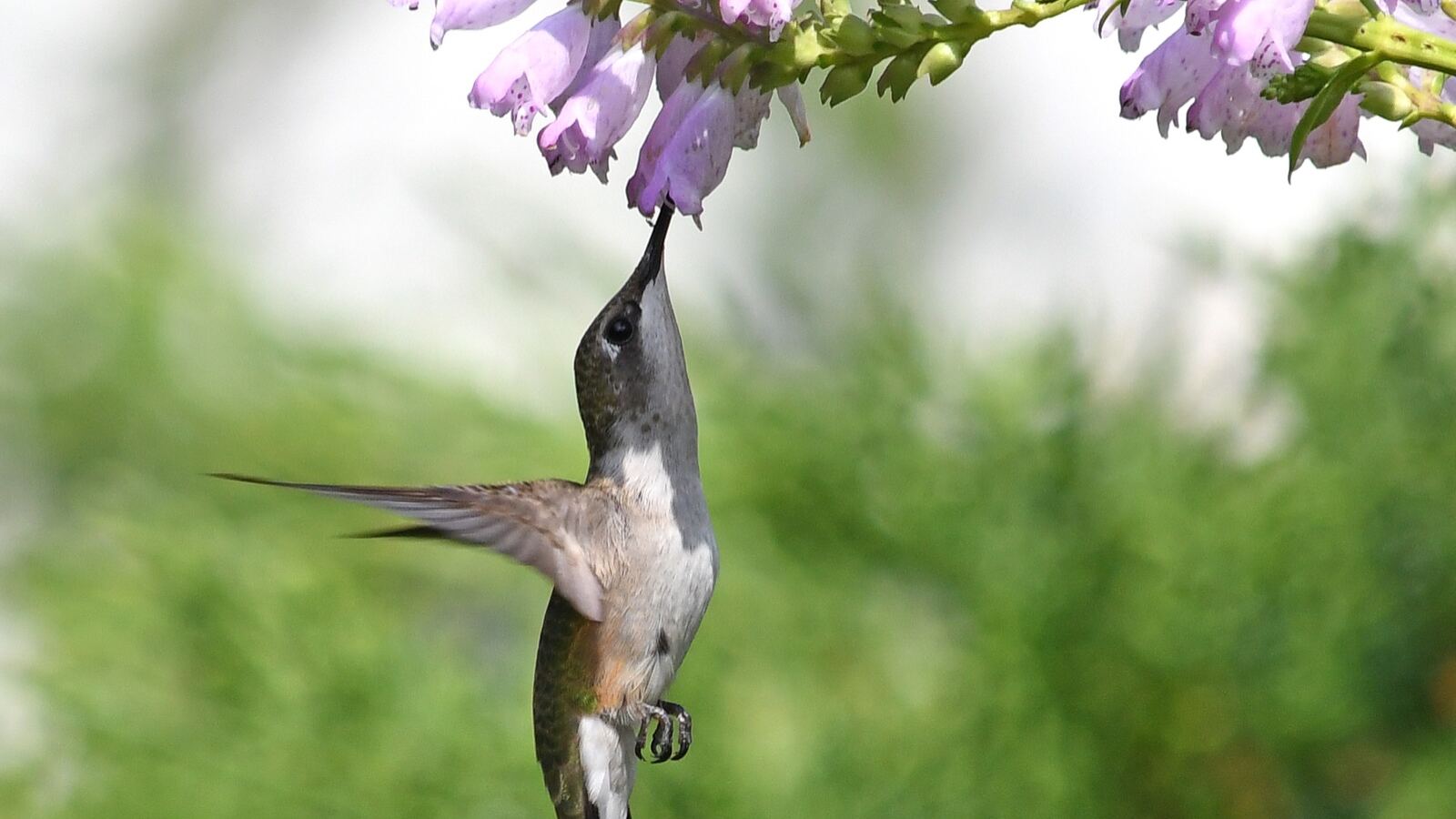
The Ecological Niche: A Species' Way of Life
Not just where a species lives but how it makes its living — the full role it plays and the conditions it needs. The idea that explains generalists and specialists, why no two species can share a niche, and why invaders find empty ones.
- 07
 Ecology№ 0934 min
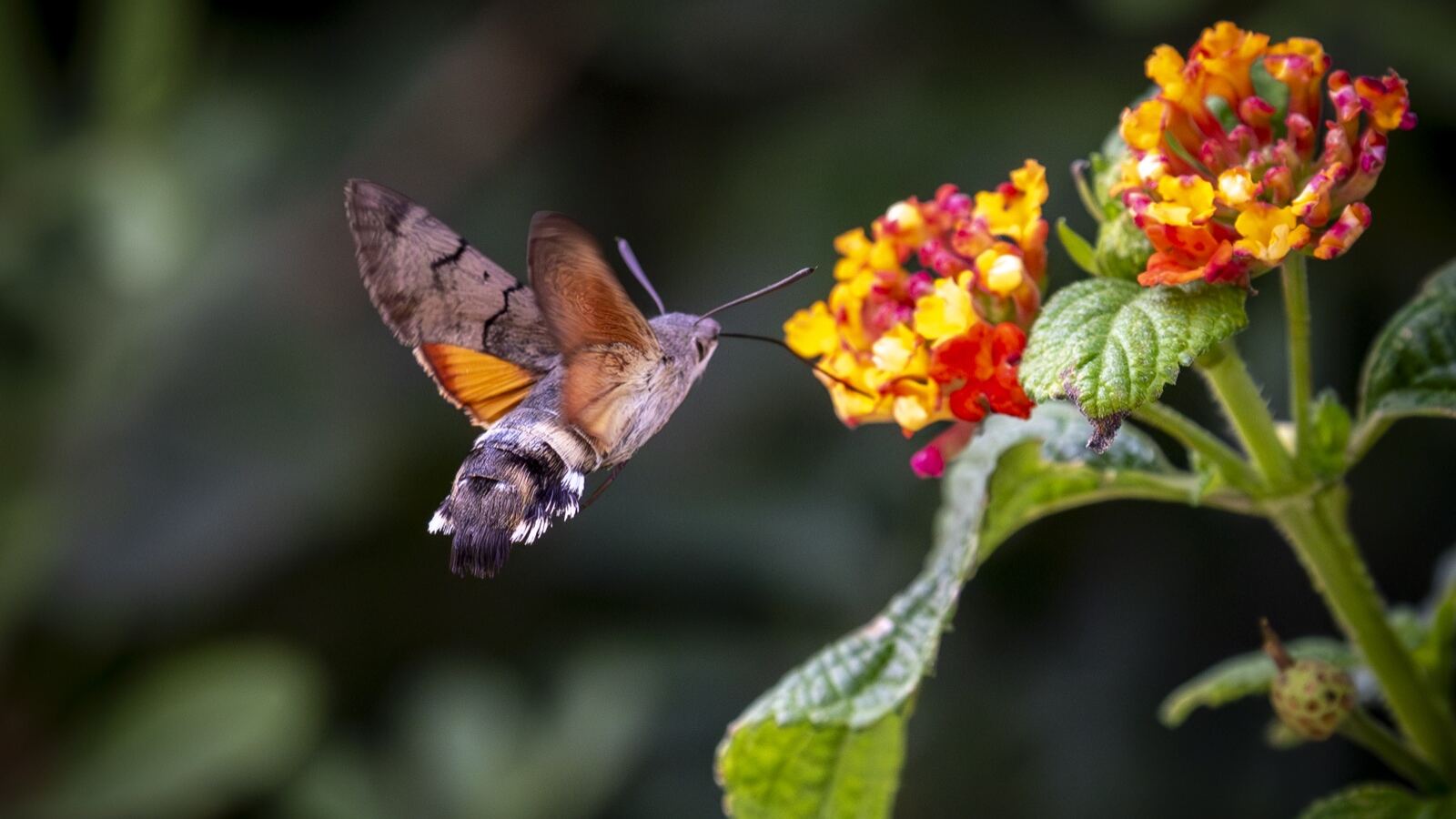
Coevolution: The Long Dance of Species That Shape Each Other
When two species become each other's environment, they evolve in response to one another — driving the exquisite partnerships of flower and pollinator, and the endless arms races of predator and prey, plant and pest.
- 08
 Ecology№ 0663 min
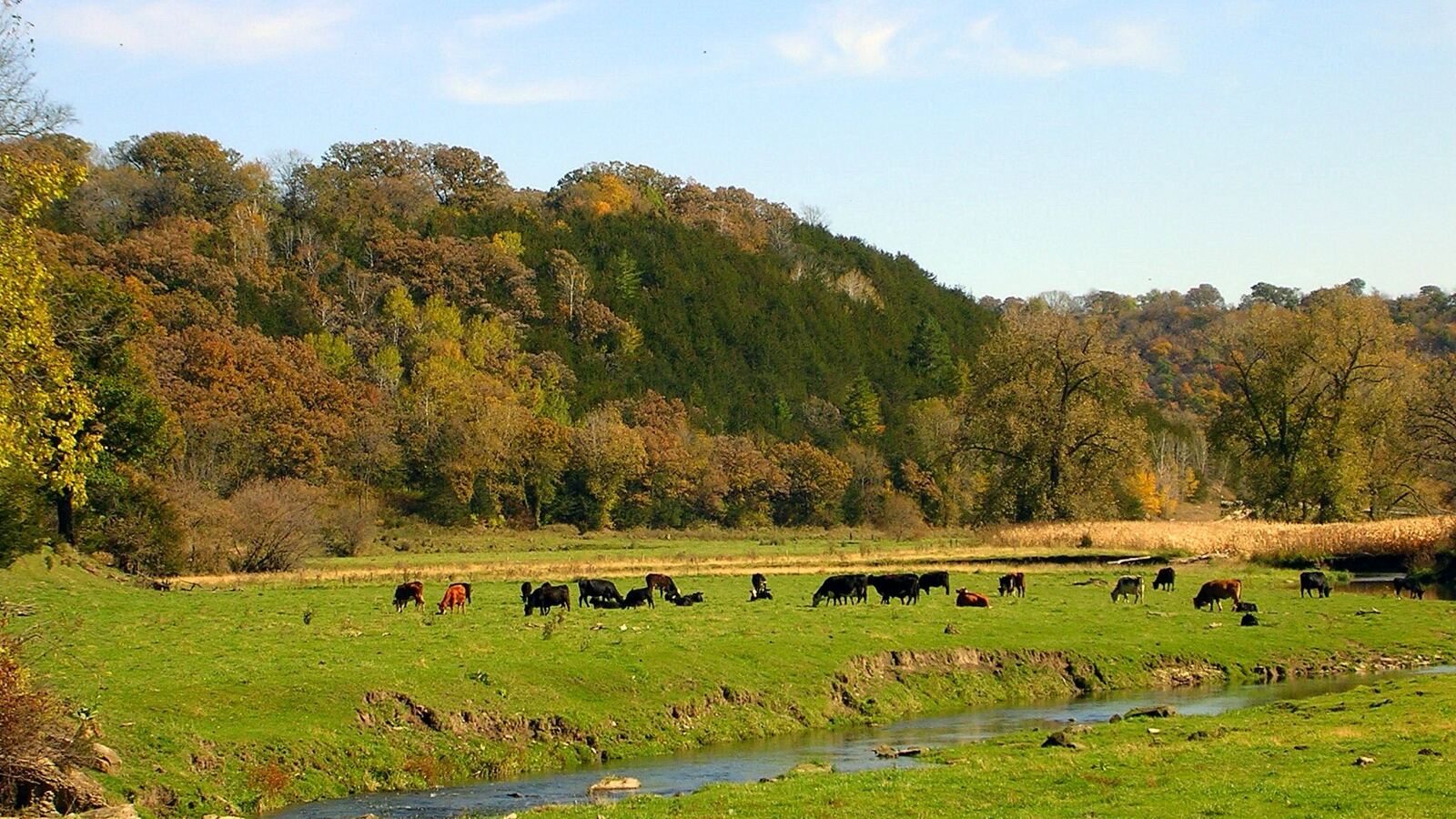
Carrying Capacity: The Limit a Place Can Hold
Every environment can support only so much life before its resources run short — and populations that overshoot that limit crash. The idea behind stocking rates, boom-and-bust cycles, and the ecology of limits.
- 09
 Ecology№ 1323 min
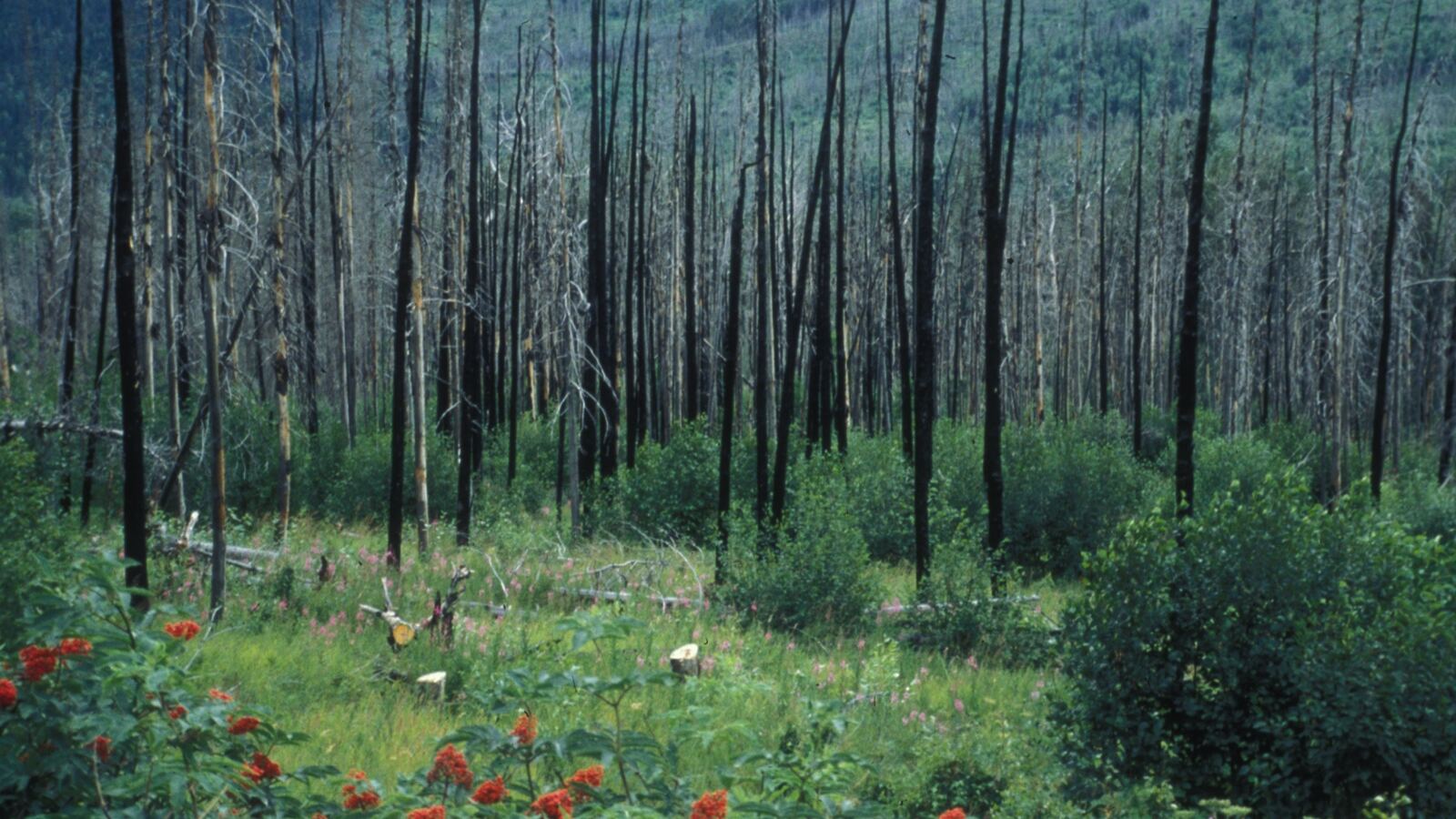
Disturbance Ecology: Why Ecosystems Need to Be Shaken
Fire, flood, storm, and gap — the disturbances that reset ecosystems are not just damage but a source of renewal and diversity, and many species and whole habitats depend on them. Why the wrong amount, either way, is the problem.
- 10
 Ecology№ 1473 min
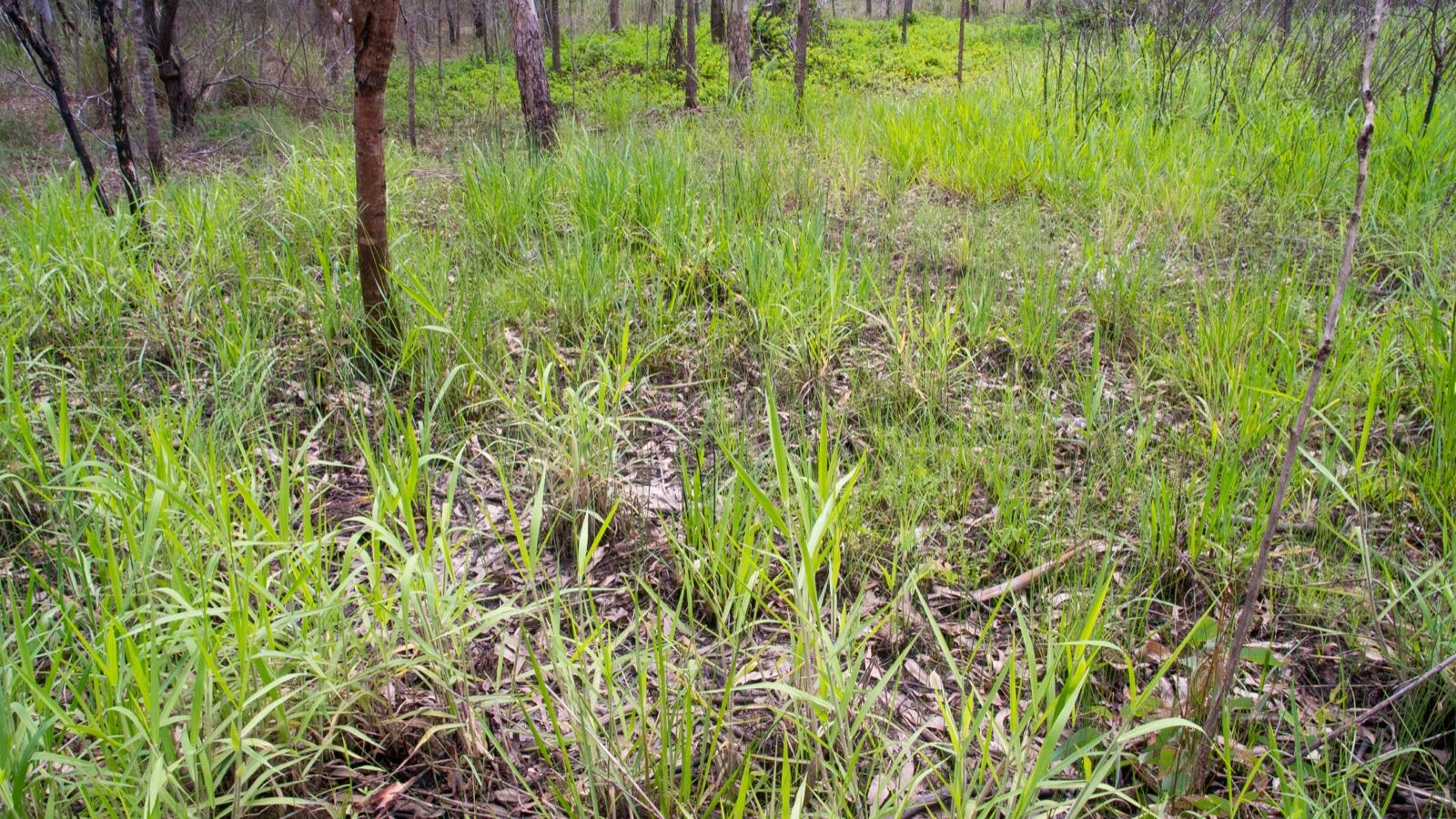
Ecological Resilience: Bending Without Breaking
The capacity of an ecosystem to absorb shocks and recover — and the danger of tipping points, where a system pushed too far flips suddenly into a different, degraded state that resists going back.
- 11
 Ecology№ 0444 min
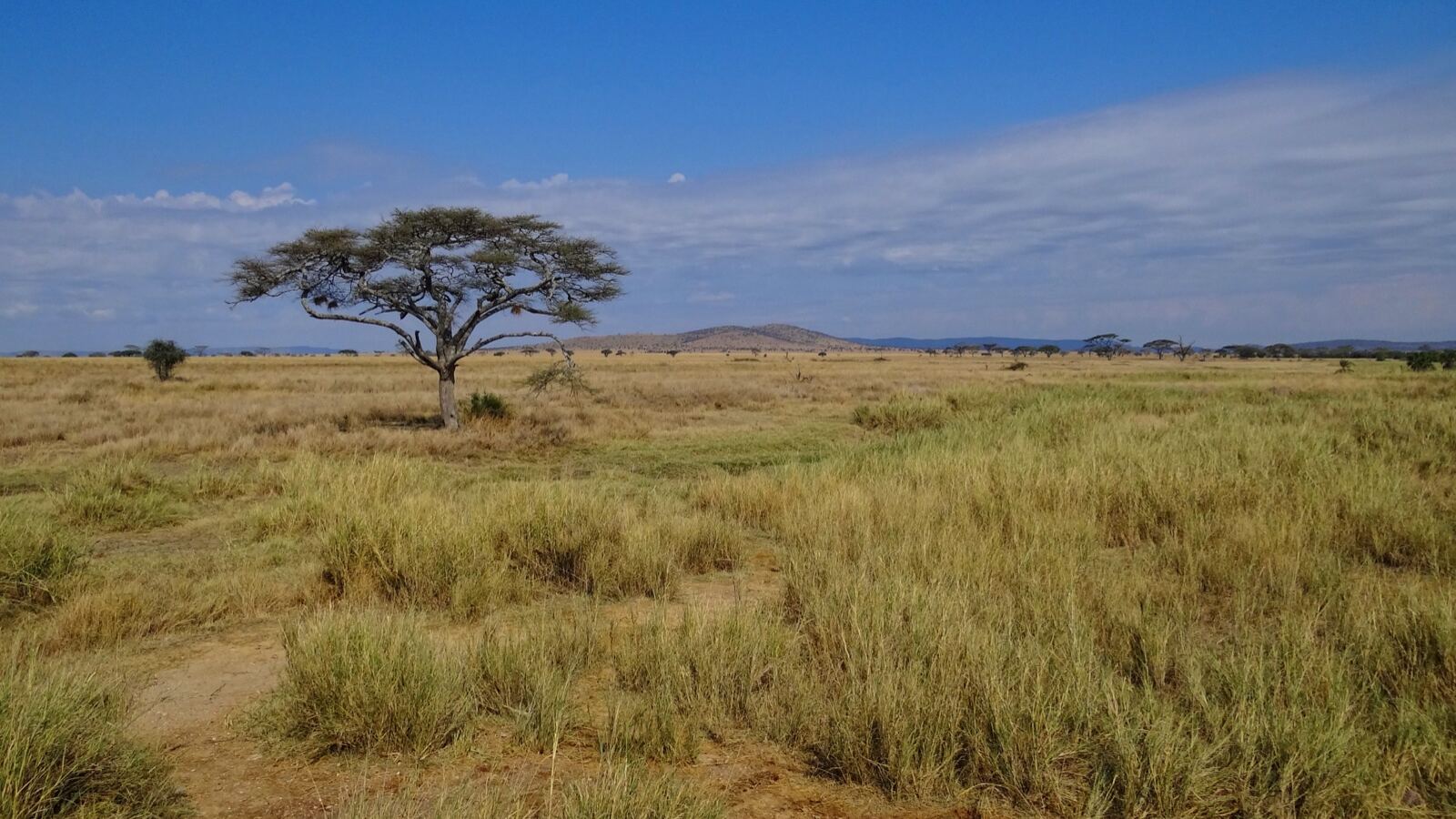
Biomes: The World's Great Ecosystem Types
From rainforest to tundra, desert to grassland, the major biomes of the world are shaped mainly by temperature and rainfall — a map of climate written in vegetation, and the frame for understanding where any tree belongs.