The gardener's allies
The creatures that do pest control for free — the spiders, lacewings, beetles, wasps, birds and amphibians that keep a garden in balance if you give them a home.
- 01
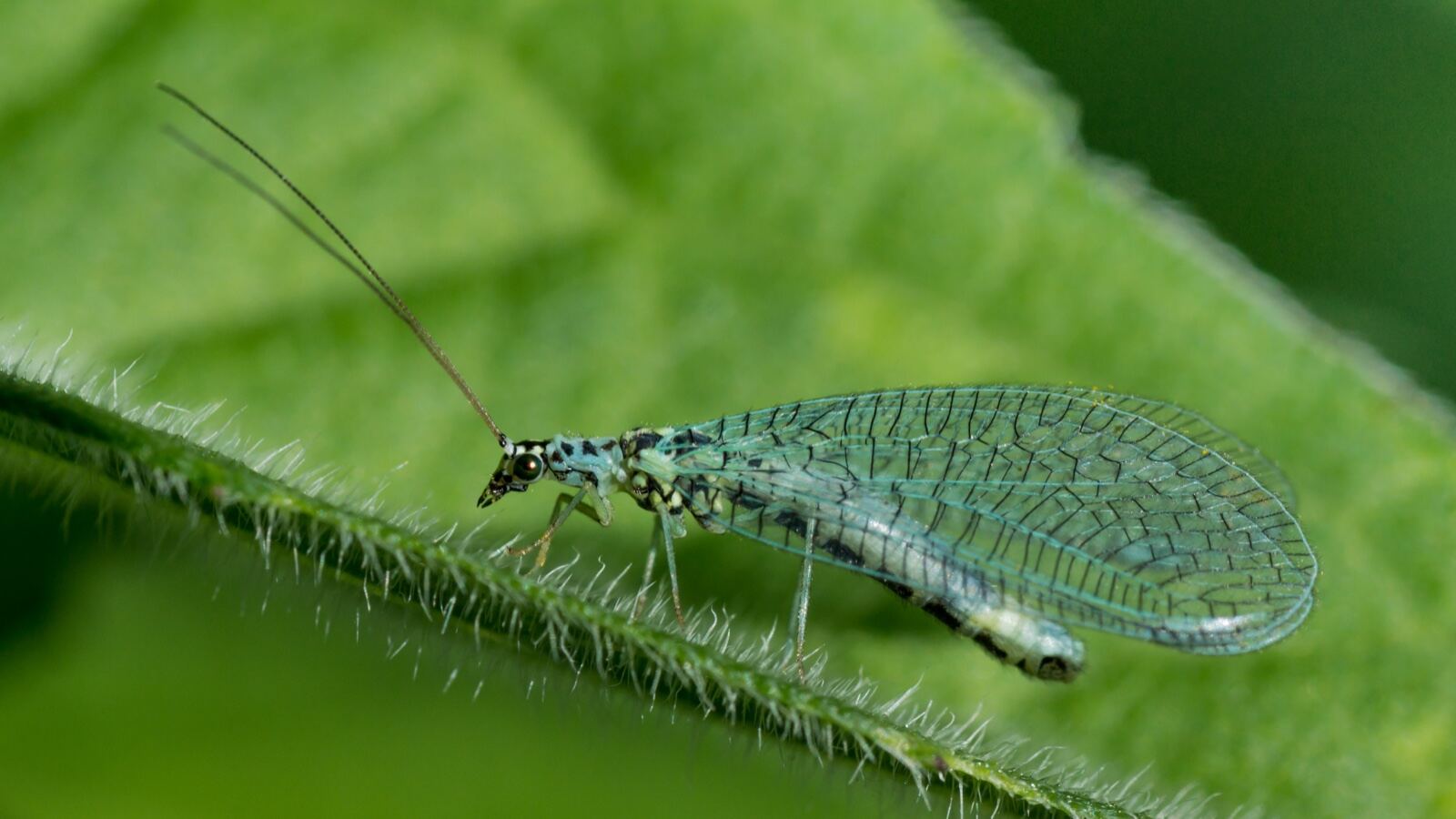 Wildlife№ 0395 min
Beneficial Predators: The Unpaid Workforce
Lacewings, ground beetles, parasitoid wasps, spiders and earwigs — what each one hunts, and the habitat that keeps them resident.
- 02
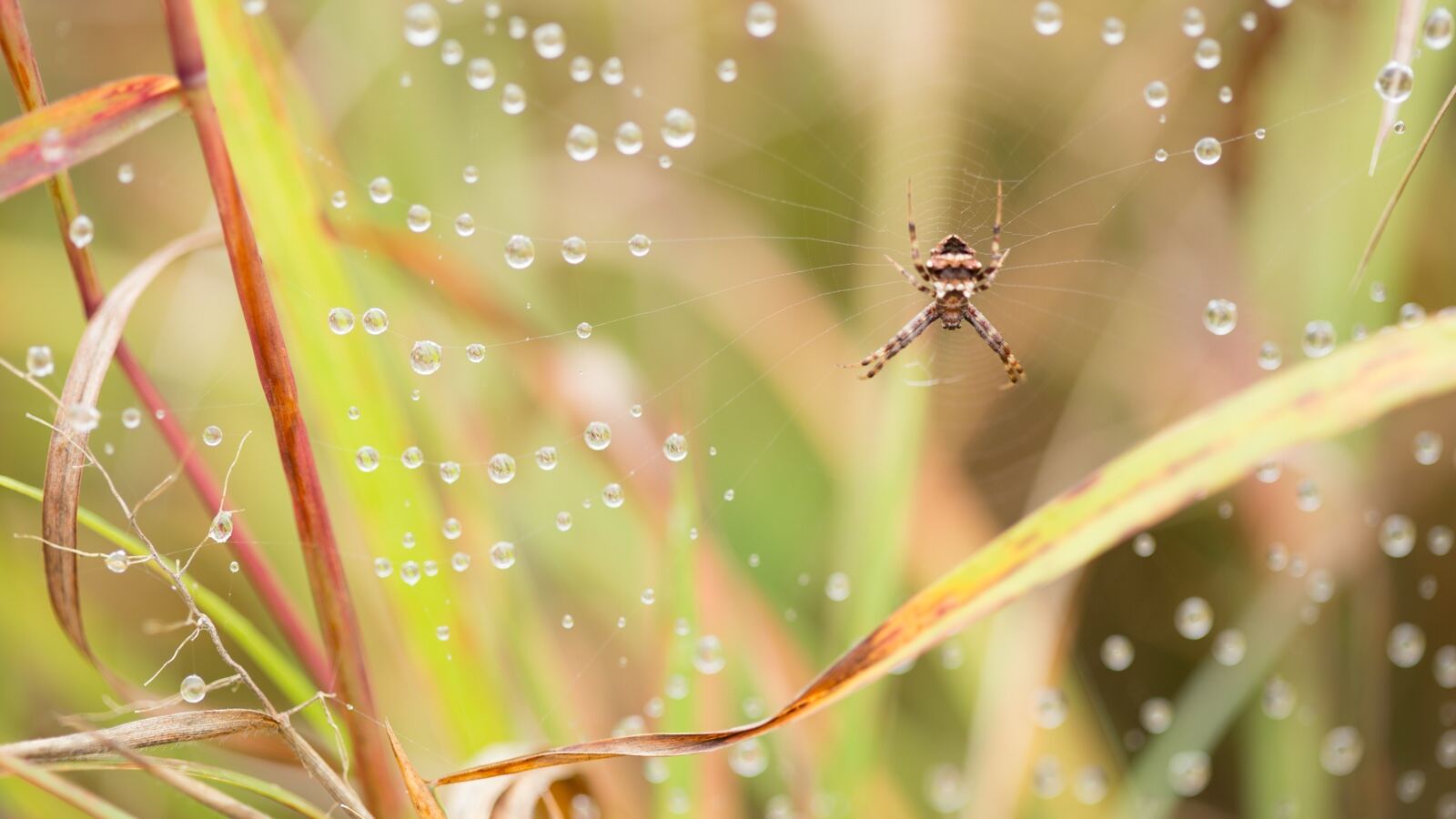 Wildlife№ 4533 min
Spiders: The Garden's Biggest Predator Guild
Not insects but eight-legged hunters — among the most abundant and voracious predators in any garden, eating a staggering weight of pests each year, if you give them the undisturbed cover they need.
- 03
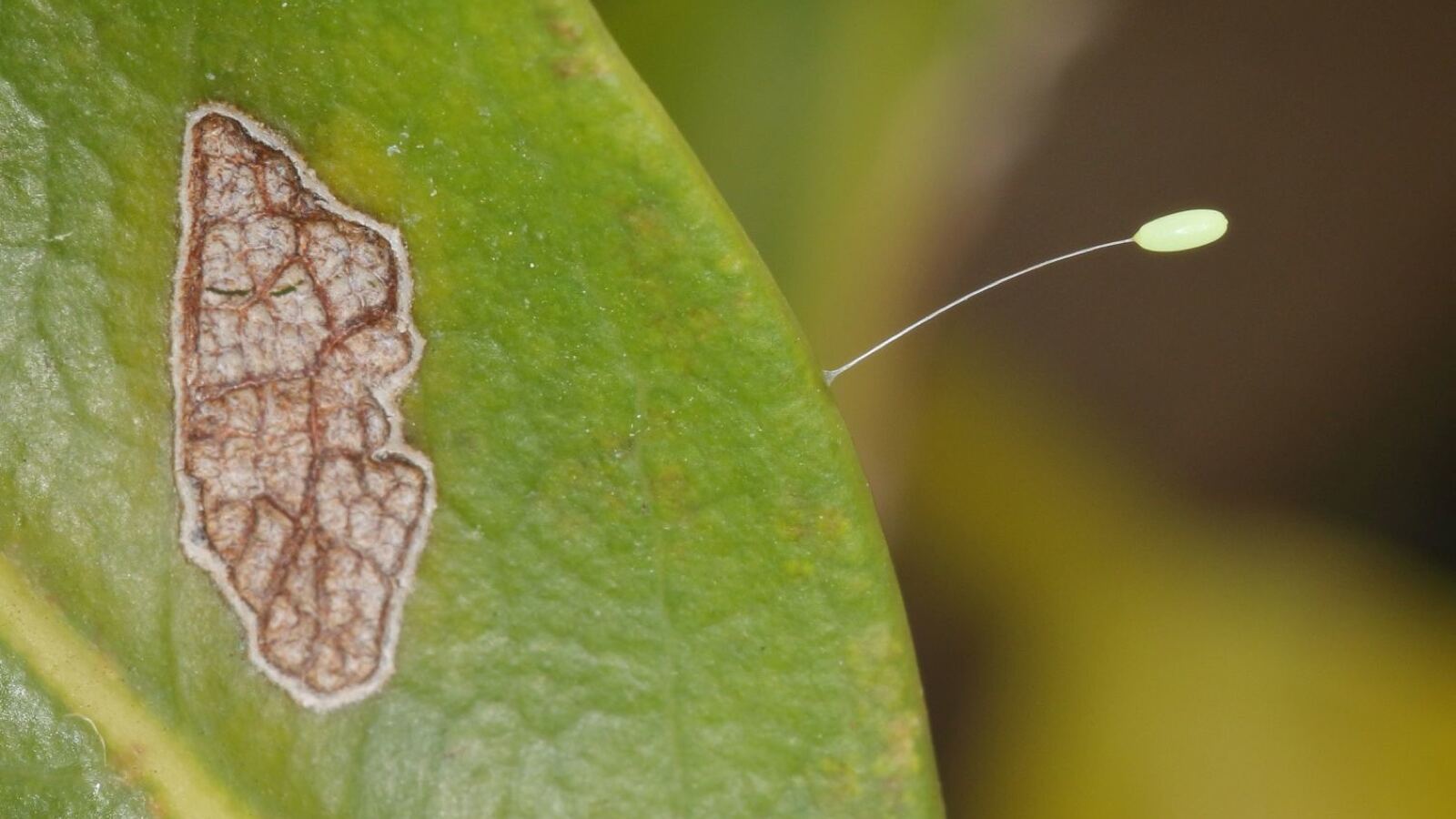 Wildlife№ 2563 min
Lacewings: The Delicate Fliers With Ravenous Larvae
Fragile, gauzy-winged insects whose larvae — the 'aphid lions' — are among the most voracious pest predators in any garden, each devouring hundreds of aphids before it pupates.
- 04
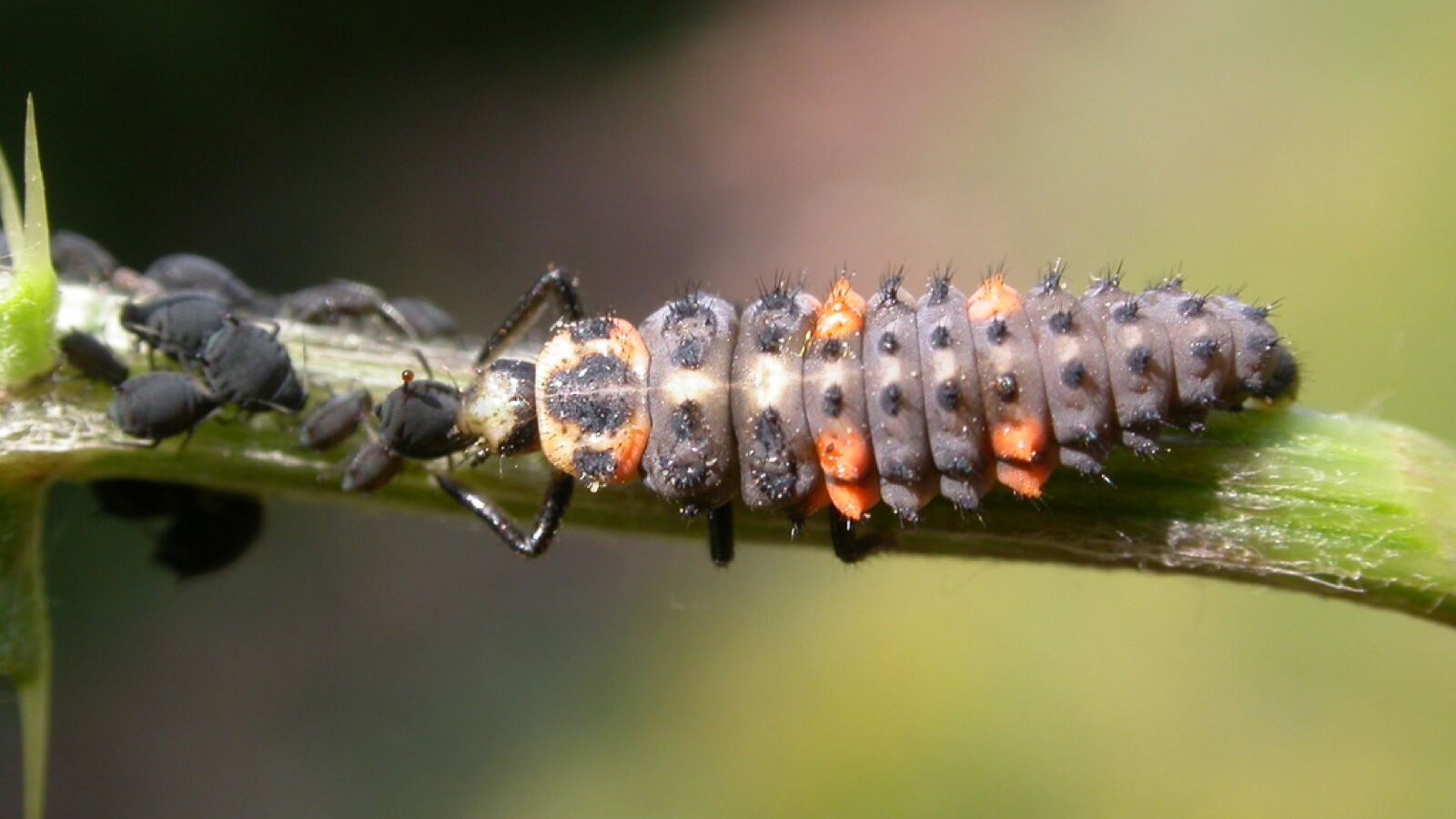 Wildlife№ 2575 min
Ladybirds: The Larvae Do Most of the Work
A single larva eats hundreds of aphids before pupating — plus overwintering sites, and the introduced harlequin eating the natives.
- 05
 Wildlife№ 2224 min
Hoverflies: Pollinator and Pest Controller in One
How hoverflies deliver both pollination and aphid control in one insect family, and why flat-topped umbellifer flowers pull them in.
- 06
 Wildlife№ 2003 min
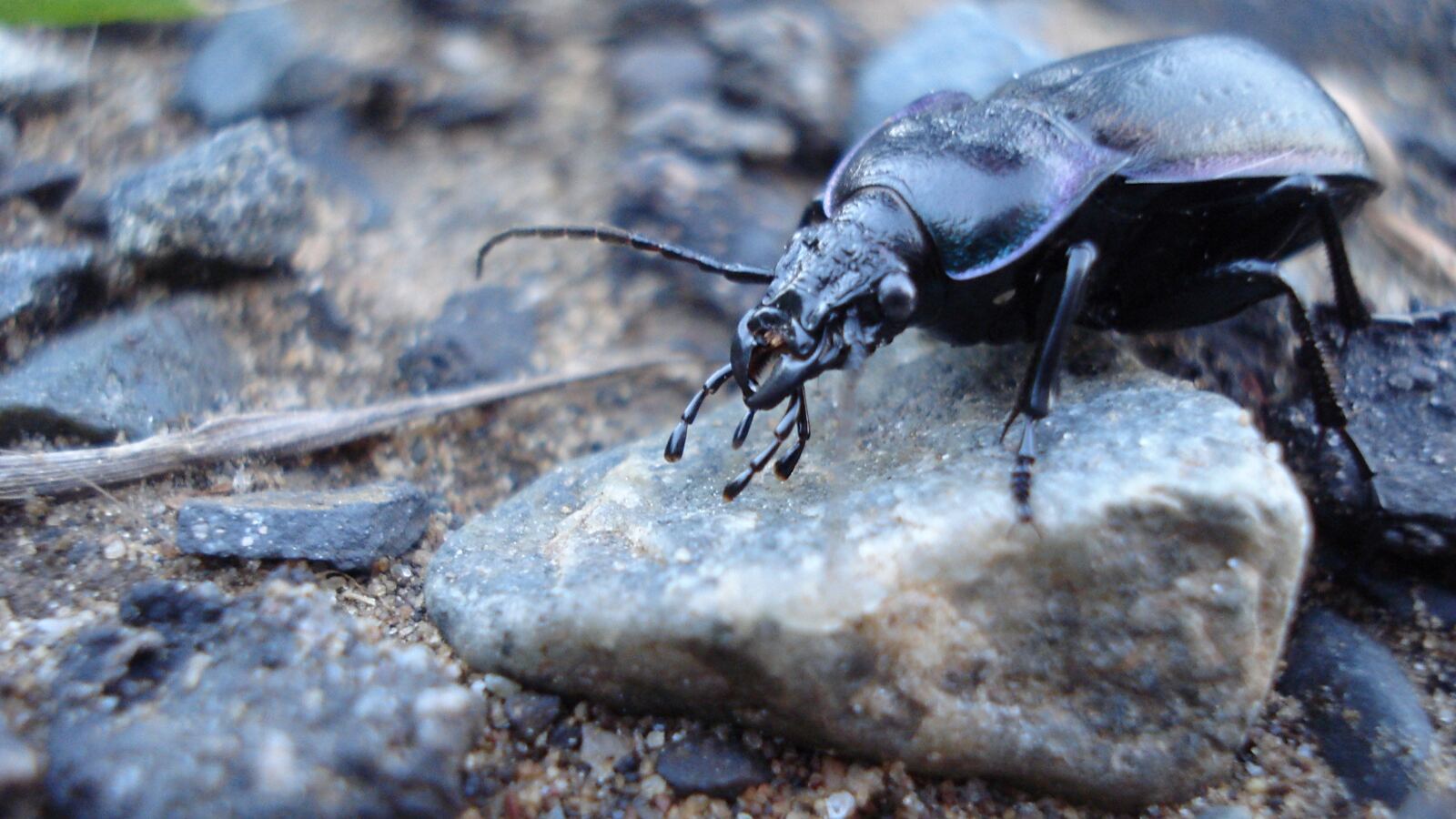
Ground Beetles: The Night Shift That Eats Slugs and Weed Seeds
Fast, glossy, ground-dwelling predators that hunt slugs, cutworms, and pest eggs by night and eat weed seeds by day — a resident workforce that thrives on undisturbed ground and dies out under the plough.
- 07
 Wildlife№ 3423 min
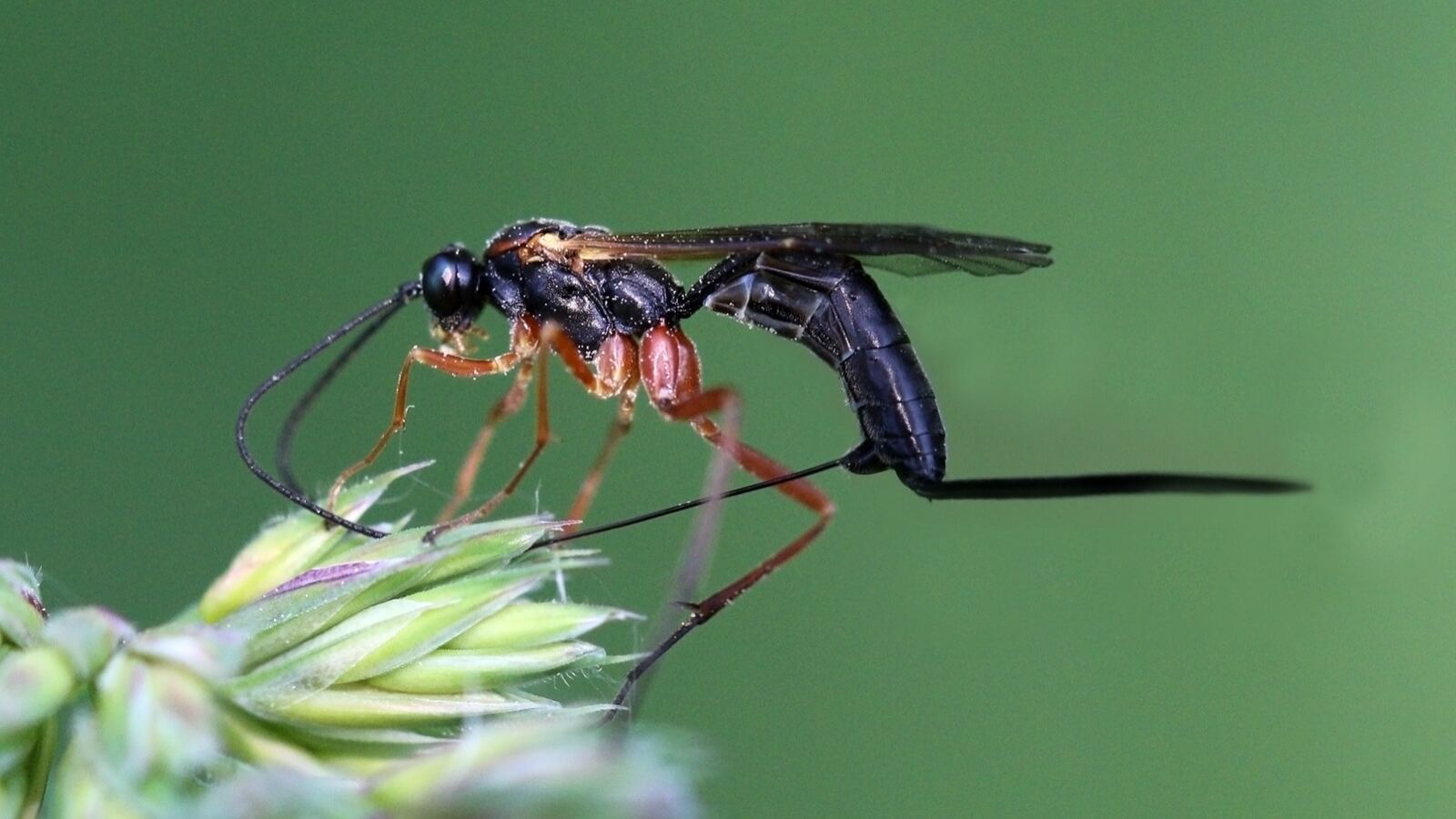
Parasitoid Wasps: The Insect World's Living Weapons
Tiny, stingless wasps that lay their eggs inside other insects, their larvae devouring the host alive from within — one of the most powerful natural forces holding pests in check, and the basis of much biological control.
- 08
 Wildlife№ 3363 min
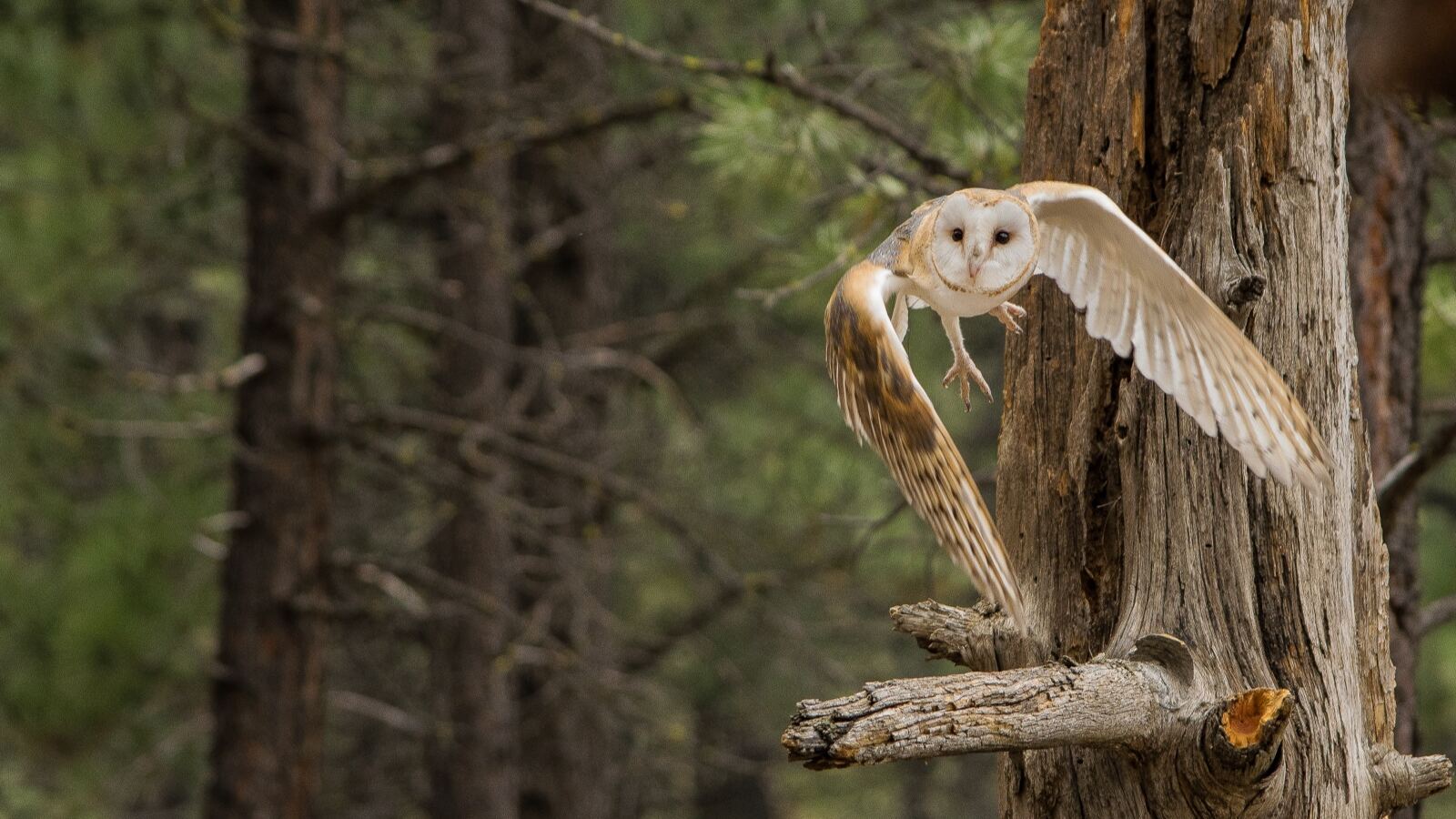
Owls: The Silent Night Shift of Rodent Control
Nocturnal hunters that take over pest control when the day's raptors roost — a single barn owl family eats thousands of rodents a year, which is why nest boxes are a genuine farm tool, and rat poison a deadly threat.
- 09
 Wildlife№ 2285 min
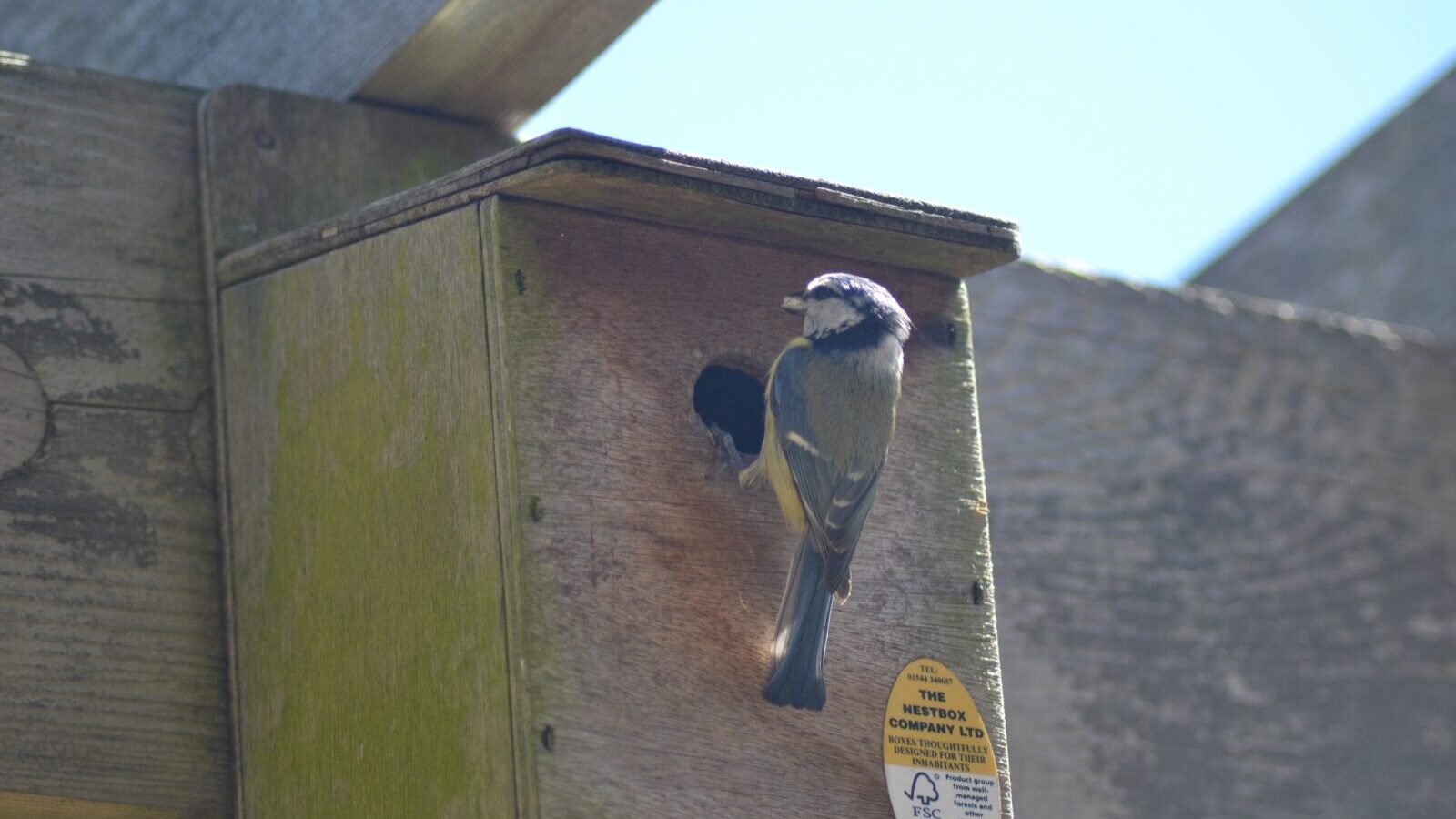
Insectivorous Birds: Pest Control With Feathers
What a family of tits removes from an orchard in a season, why nest boxes work, and the habitat structure that keeps birds hunting your crop.
- 10
 Wildlife№ 3084 min
Native Bees: 20,000 Species Beyond the Honeybee
The world's 20,000 wild bee species are mostly solitary, mostly overlooked, and outperform honeybees on most crops they touch.
- 11
 Wildlife№ 2184 min
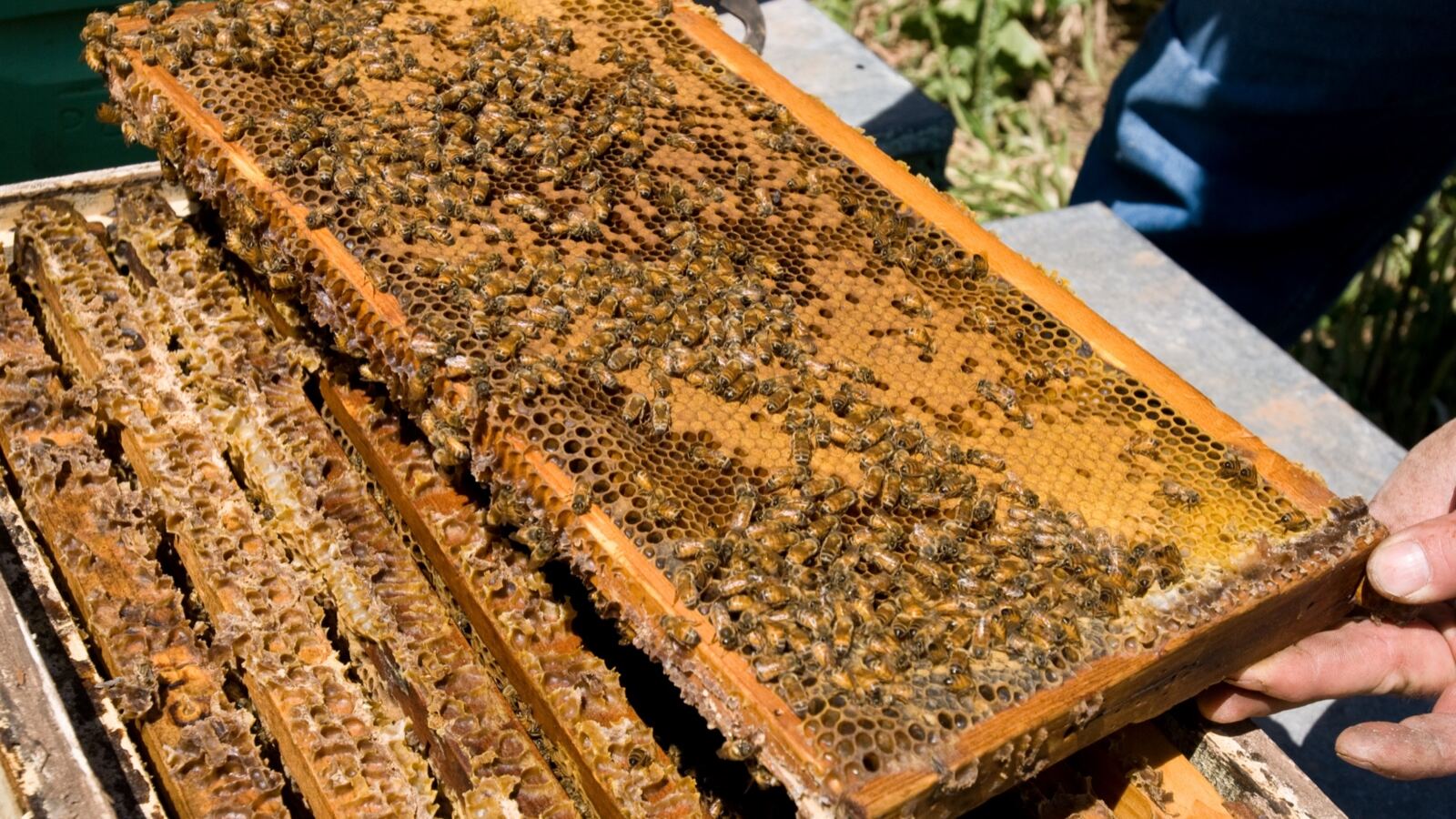
Honeybees and Beekeeping: The Managed Pollinator
The one bee in twenty thousand that lives in a hive and makes honey — a managed superorganism rented out to pollinate crops, threatened by mites and poisons, and not the whole answer to the pollination it is asked to provide.
- 12
 Wildlife№ 1873 min
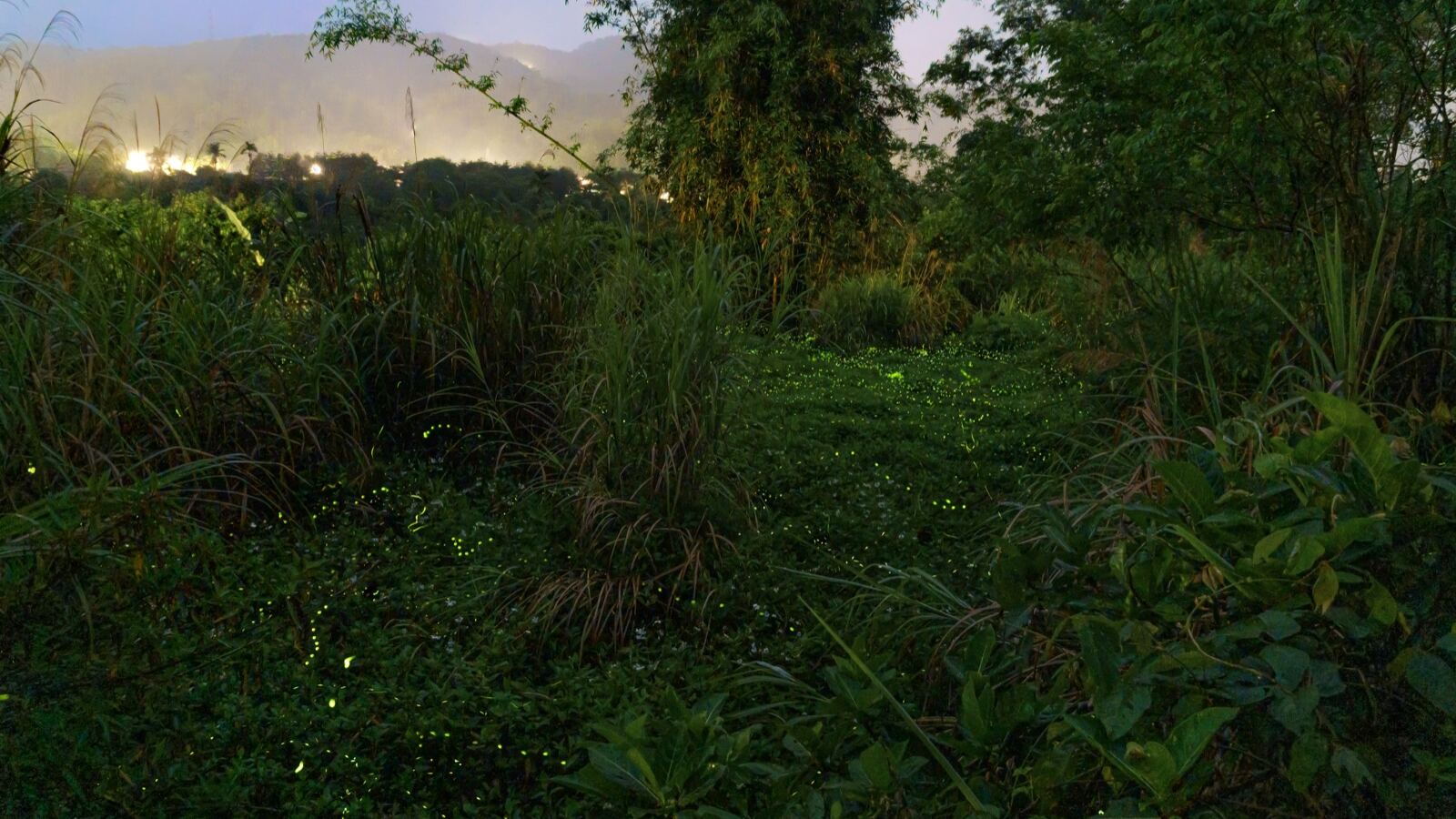
Glow-Worms and Fireflies: The Beetles That Make Light
Beetles that glow in the dark — the female glow-worm signalling for a mate, the firefly flashing in coded conversation, and their larvae hunting slugs and snails — magical, useful, and vanishing under our lights.
- 13
 Wildlife№ 0125 min
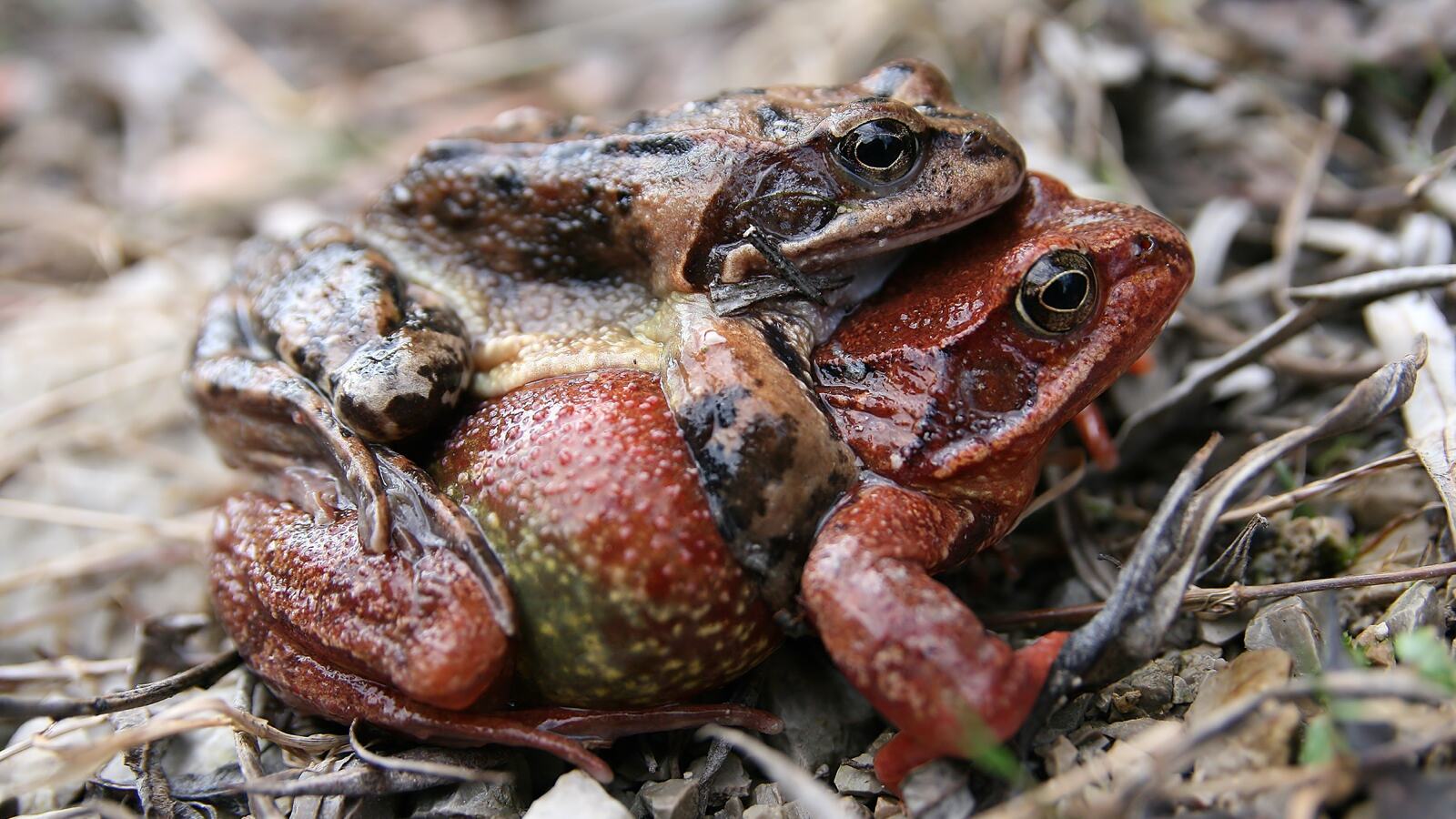
Amphibians and Reptiles: The Pest Control You Never See
Frogs, toads, newts, lizards and snakes as garden predators — what they need in habitat terms, and why ponds without fish matter most.