The unpaid workforce
The predators, parasitoids and soil animals that do pest control and nutrient cycling for nothing, and what keeps them resident.
- 01
 Wildlife№ 0395 min
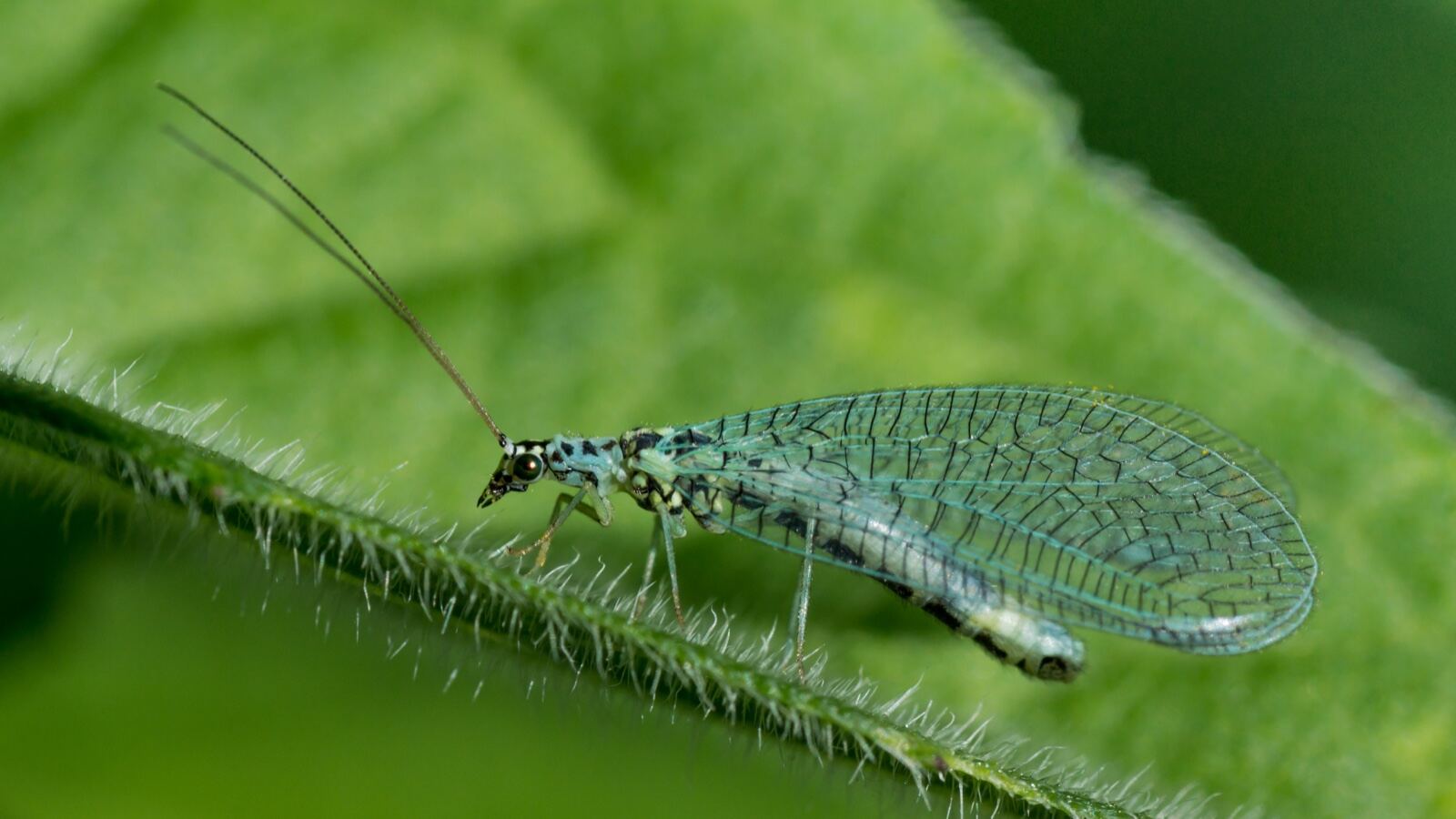
Beneficial Predators: The Unpaid Workforce
Lacewings, ground beetles, parasitoid wasps, spiders and earwigs — what each one hunts, and the habitat that keeps them resident.
- 02
 Wildlife№ 2575 min
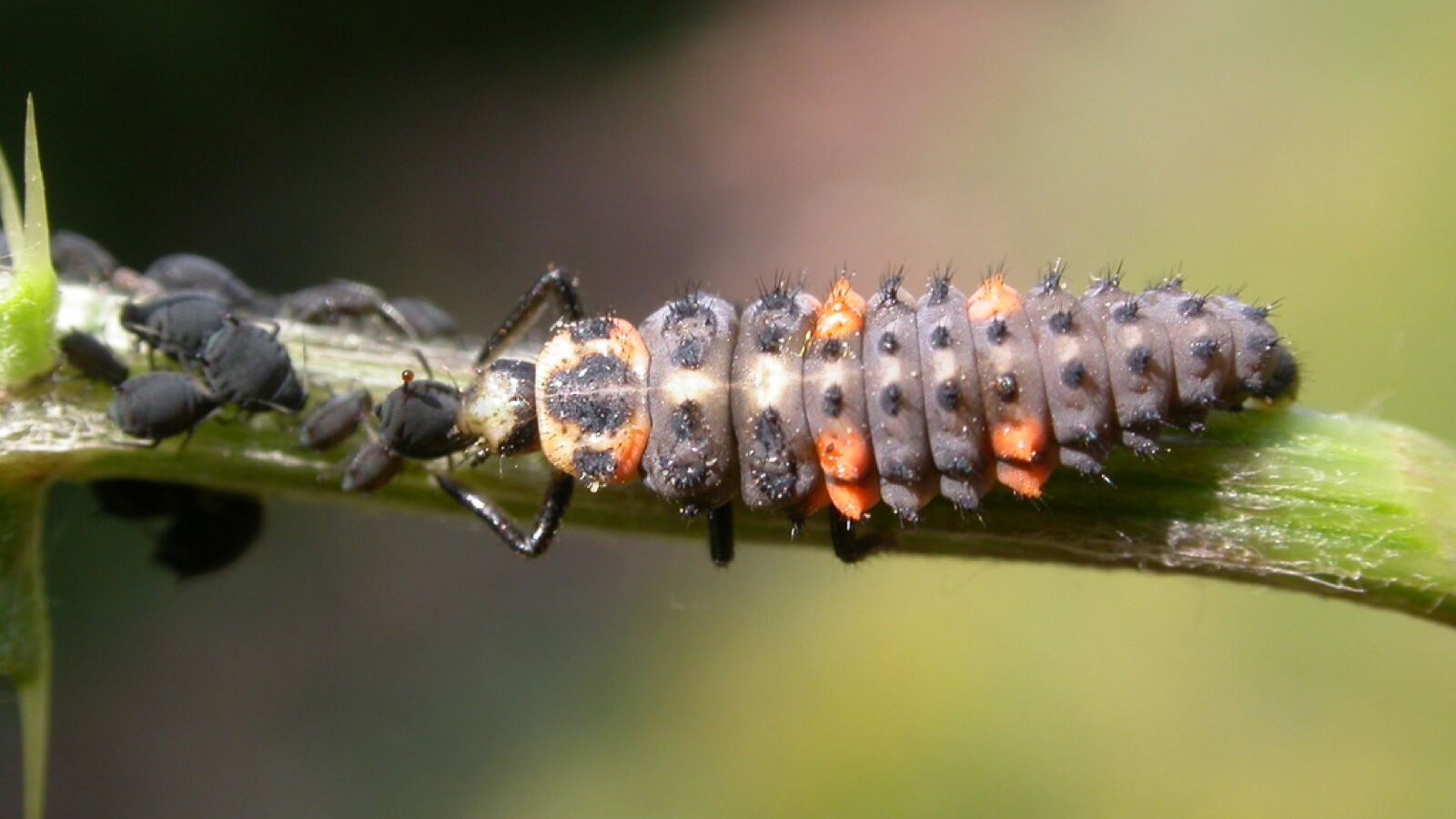
Ladybirds: The Larvae Do Most of the Work
A single larva eats hundreds of aphids before pupating — plus overwintering sites, and the introduced harlequin eating the natives.
- 03
 Wildlife№ 2224 min
Hoverflies: Pollinator and Pest Controller in One
How hoverflies deliver both pollination and aphid control in one insect family, and why flat-topped umbellifer flowers pull them in.
- 04
 Wildlife№ 2285 min
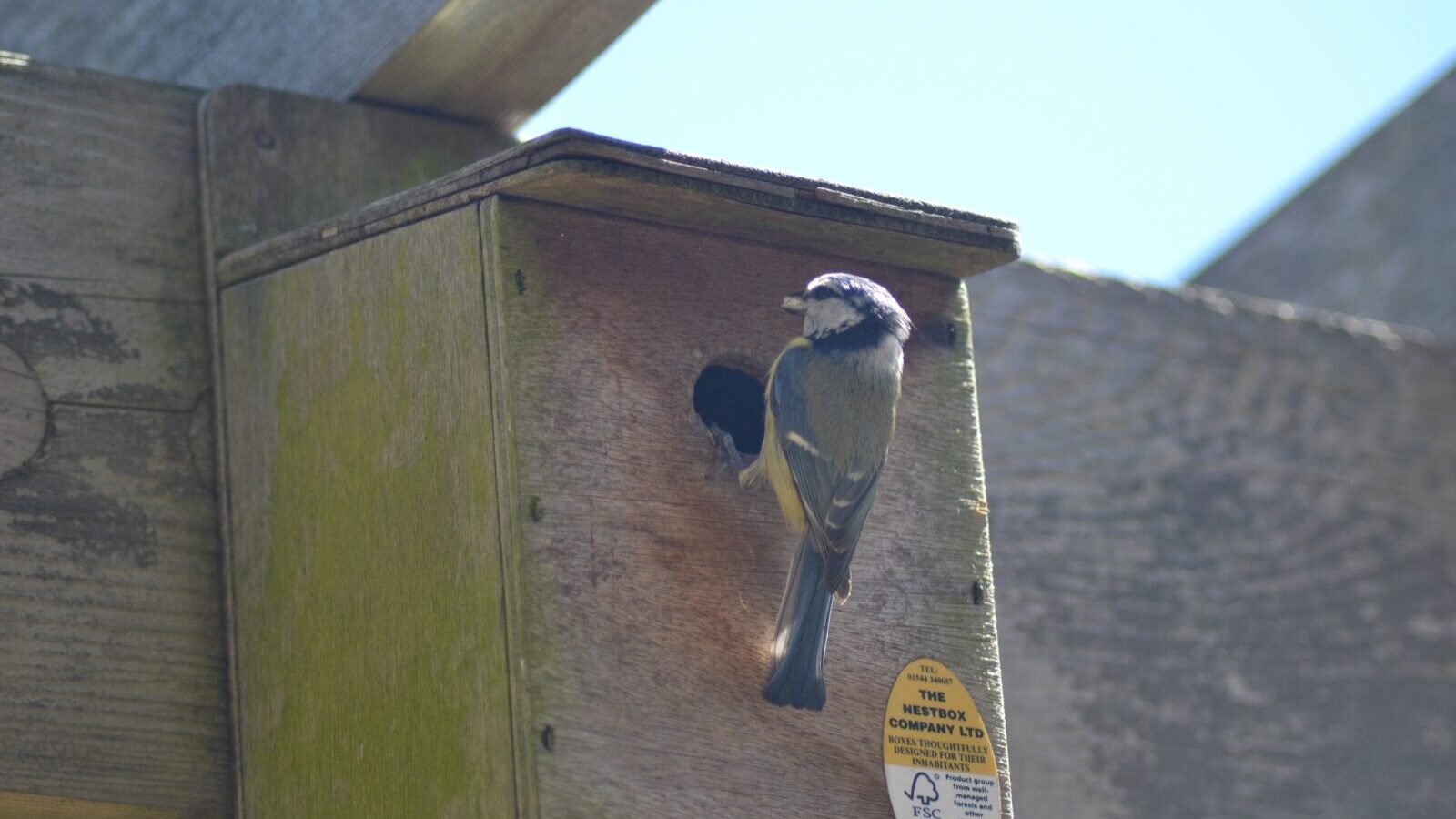
Insectivorous Birds: Pest Control With Feathers
What a family of tits removes from an orchard in a season, why nest boxes work, and the habitat structure that keeps birds hunting your crop.
- 05
 Wildlife№ 0125 min
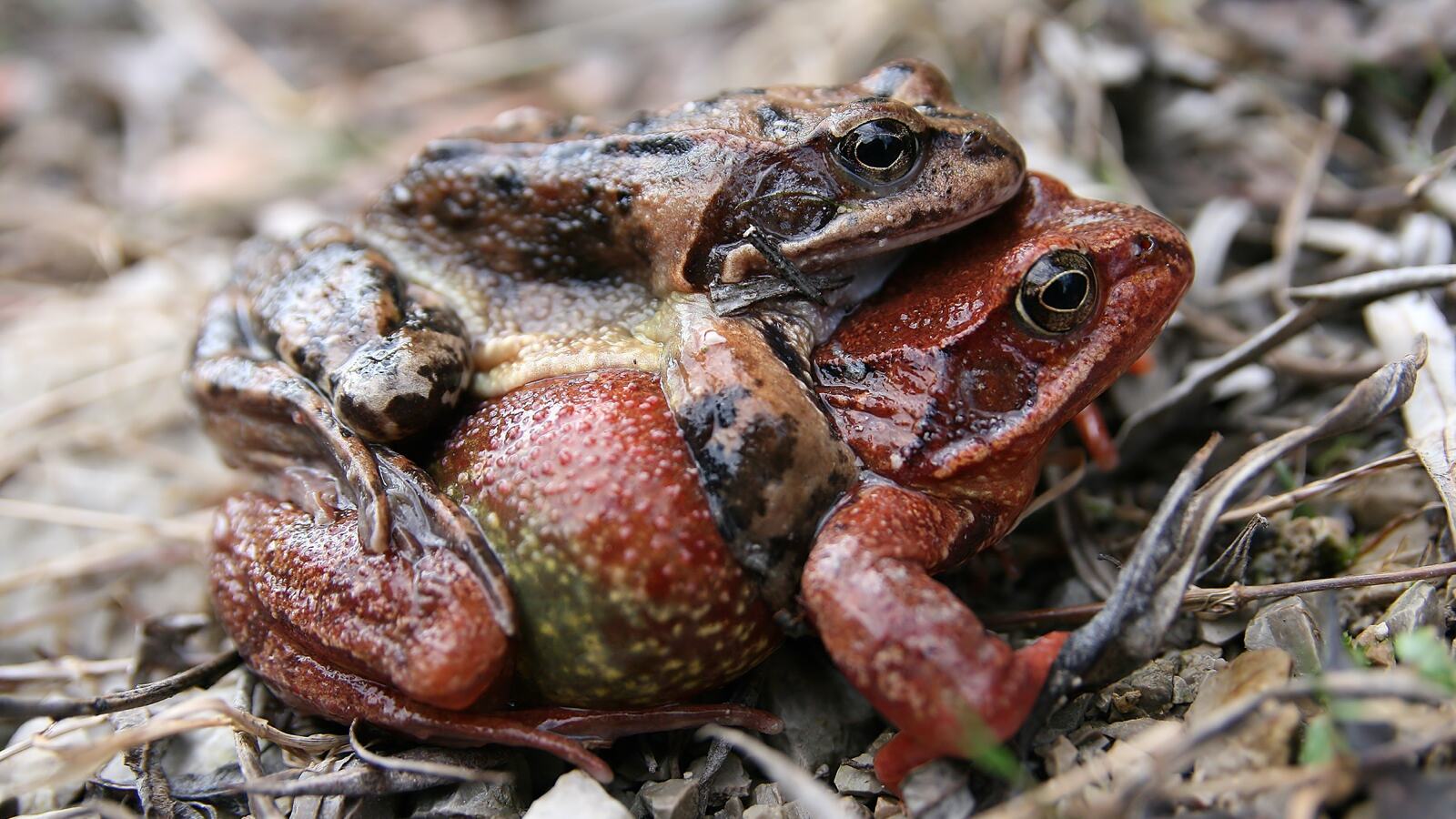
Amphibians and Reptiles: The Pest Control You Never See
Frogs, toads, newts, lizards and snakes as garden predators — what they need in habitat terms, and why ponds without fish matter most.
- 06
 Wildlife№ 2115 min
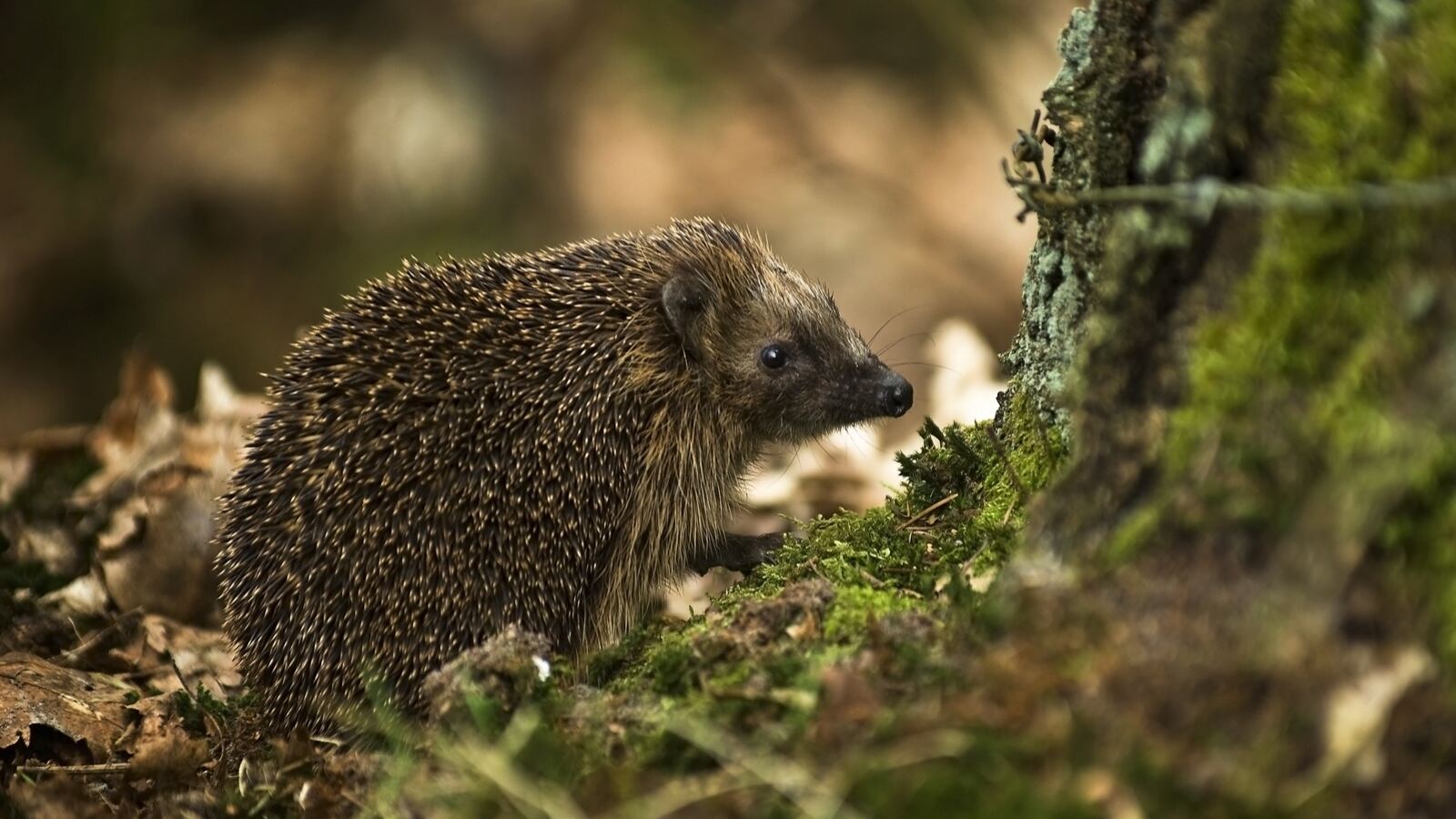
Hedgehogs and Small Mammals: The Night Shift
Hedgehogs, shrews, bank voles and wood mice — what they eat, the fences that trap them, and the slug pellets that kill them twice.
- 07
 Wildlife№ 0334 min
Bats: Night Shift Pollinators and Pest Control
Why bats are the most underrated garden allies on the planet, eating thousands of insects nightly, pollinating night-flowering crops, and dispersing seeds across kilometres.
- 08
 Wildlife№ 4455 min
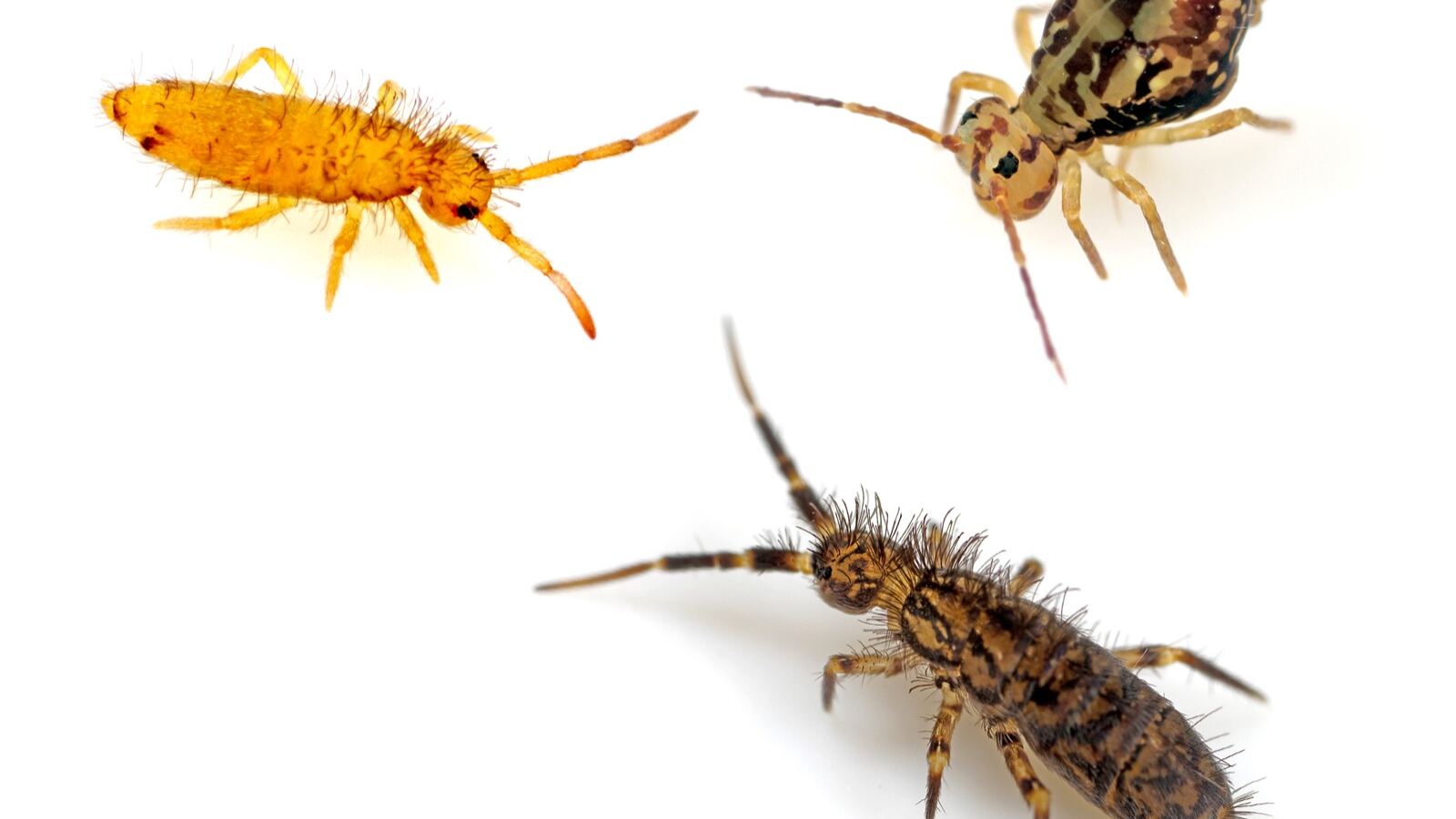
Springtails, Mites and Nematodes: The Soil's Middle Layer
The invisible majority of soil animals — shredders and grazers that regulate the microbes and release the nutrients plants take up.
- 09
 Ecology№ 3705 min
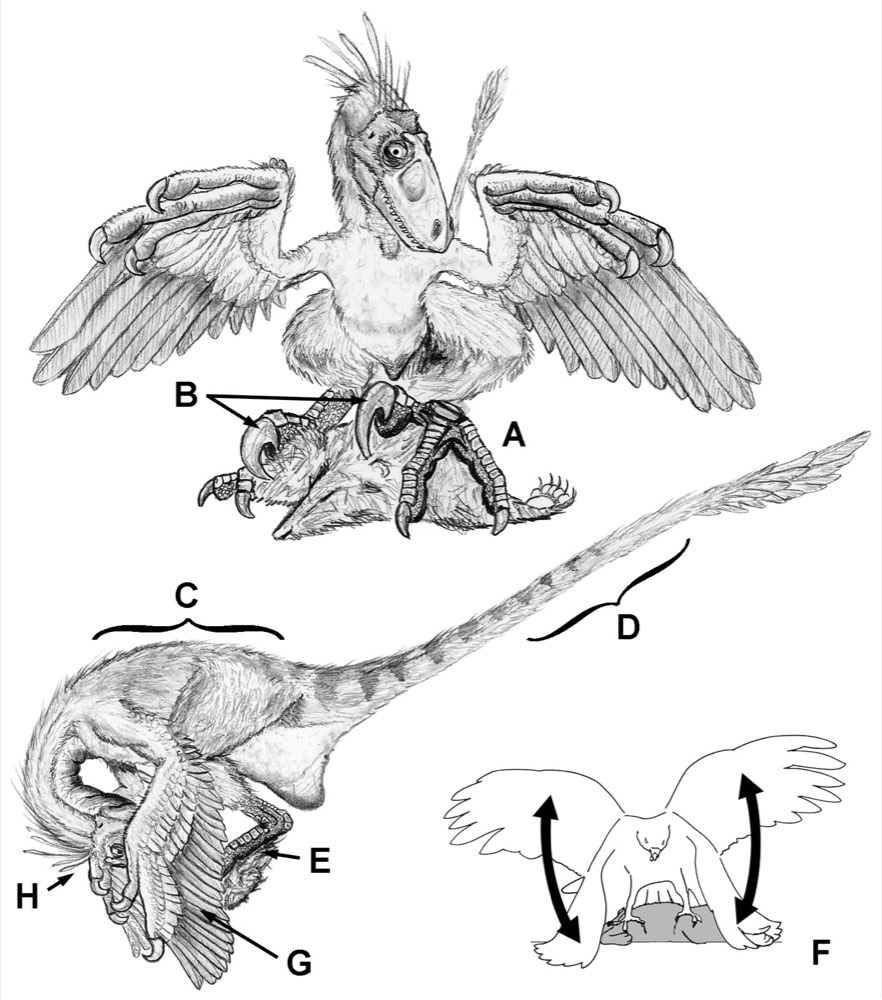
Predator-Prey Balance: Build Habitat, Skip the Sprays
How to attract ladybirds, lacewings, ground beetles, owls, and snakes so they do the pest control work that pesticides do badly.
- 10
 Growing№ 2294 min
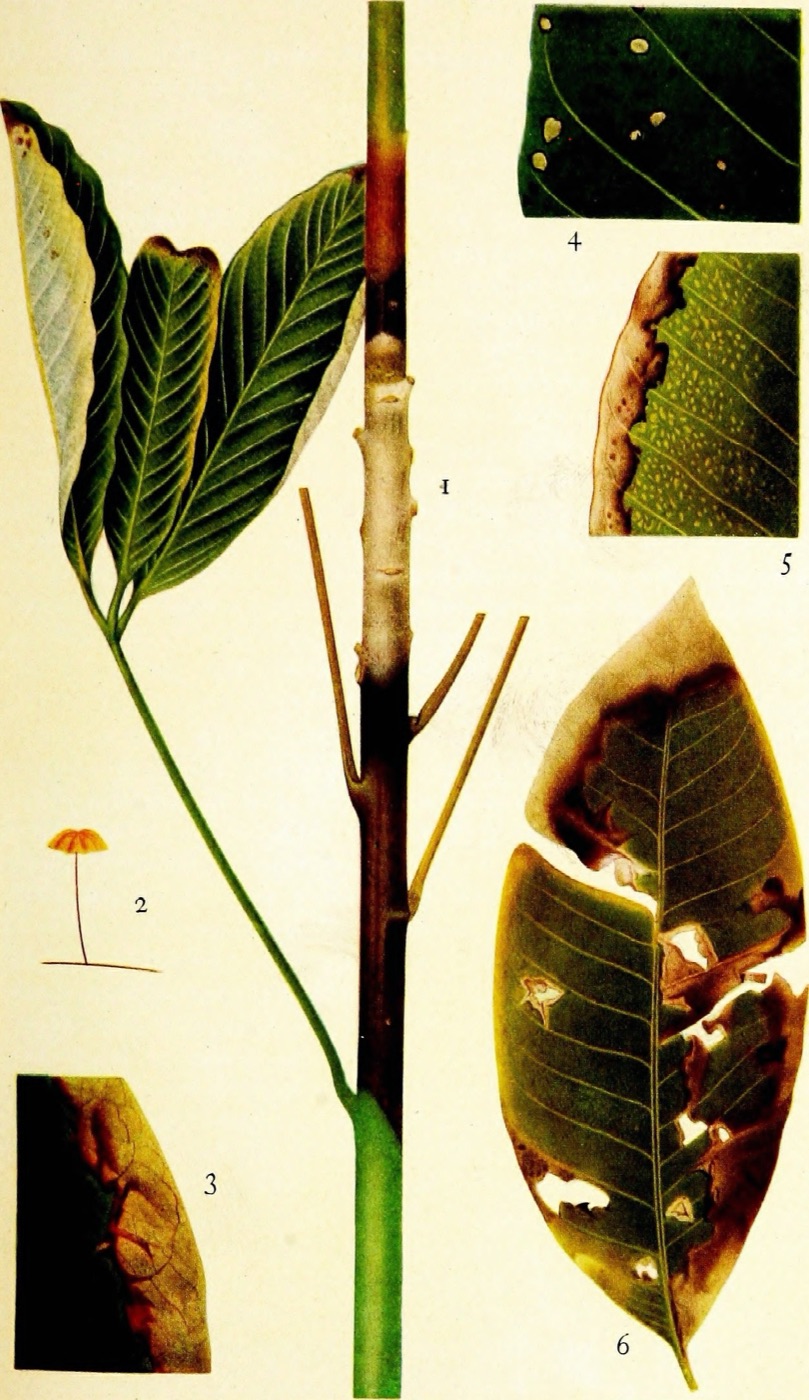
Tree Pests: Identification, Prevention, and Natural Control
Identify and manage bark beetles, termites, and root grubs through integrated pest management, healthy soil, and natural predators.