Pollinators and their larvae
Adults need nectar, larvae need foodplants, and it is nearly always the foodplant that is missing.
- 01
 Restoration№ 3623 min
Pollinator Habitat: Beyond Honeybees
Support the 20,000 bee species and the butterflies, moths, hoverflies, and beetles that hold ecosystems together.
- 02
 Wildlife№ 3084 min
Native Bees: 20,000 Species Beyond the Honeybee
The world's 20,000 wild bee species are mostly solitary, mostly overlooked, and outperform honeybees on most crops they touch.
- 03
 Wildlife№ 0595 min
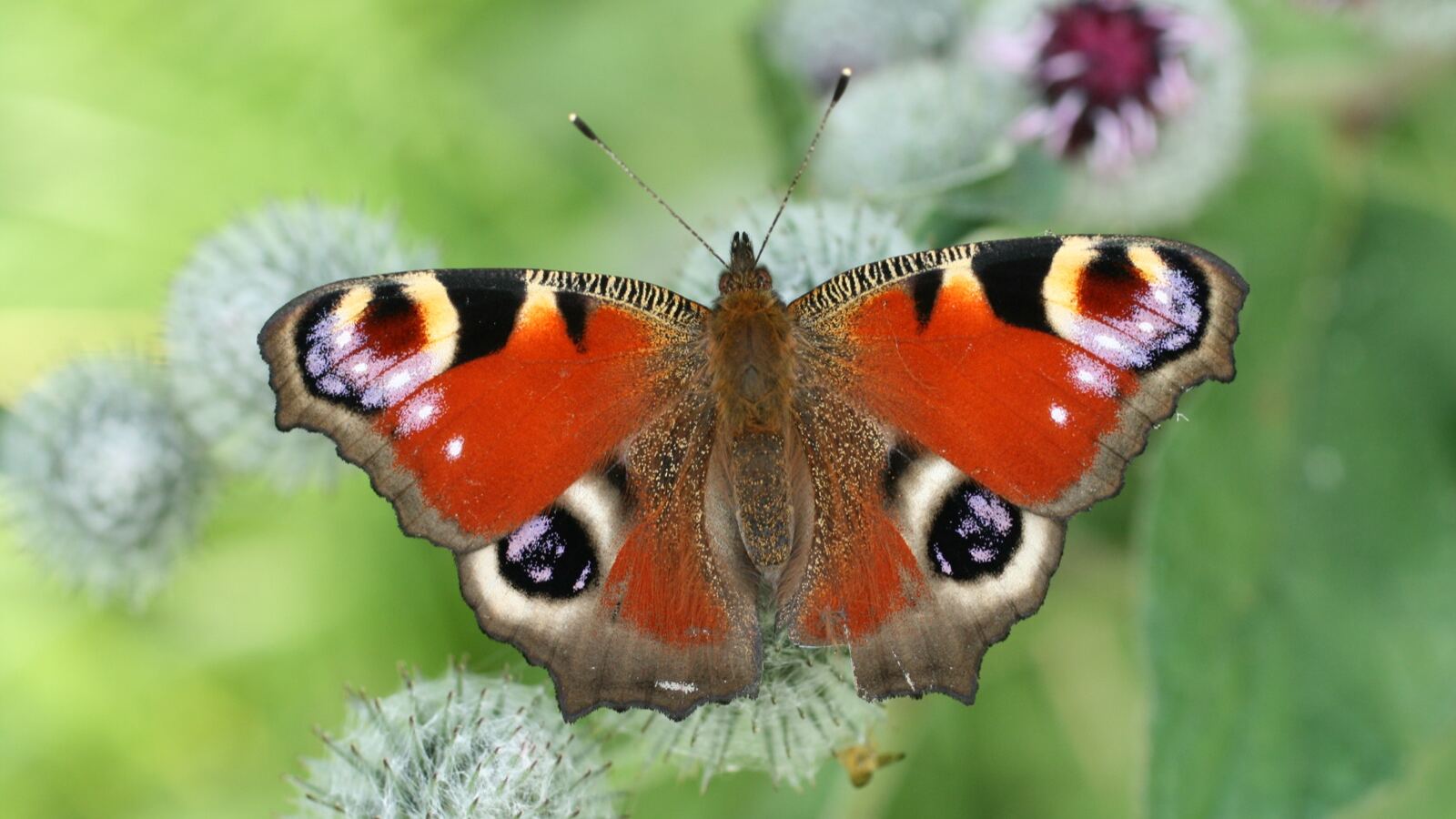
Butterflies and Moths: Nectar Is the Easy Half
Adults need nectar and larvae need specific foodplants — and it is almost always the foodplant, not the flowers, that is missing.
- 04
 Wildlife№ 0725 min
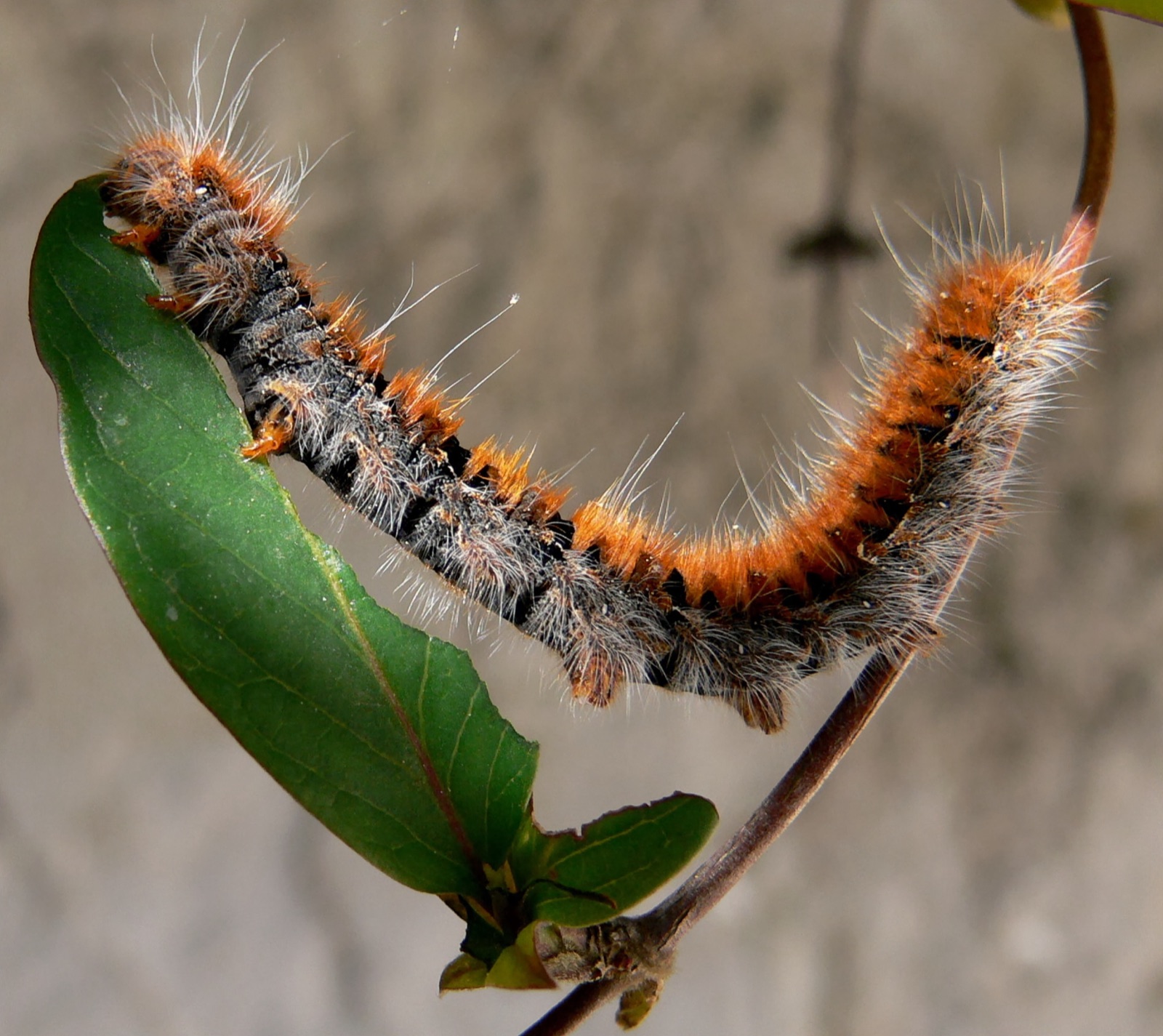
Caterpillars: Reading the Flight Calendar
The five caterpillars that hit a temperate garden hardest, when their parent moths fly, and how to break the cycle without spraying everything dead.
- 05
 Wildlife№ 2224 min
Hoverflies: Pollinator and Pest Controller in One
How hoverflies deliver both pollination and aphid control in one insect family, and why flat-topped umbellifer flowers pull them in.
- 06
 Wildlife№ 1375 min
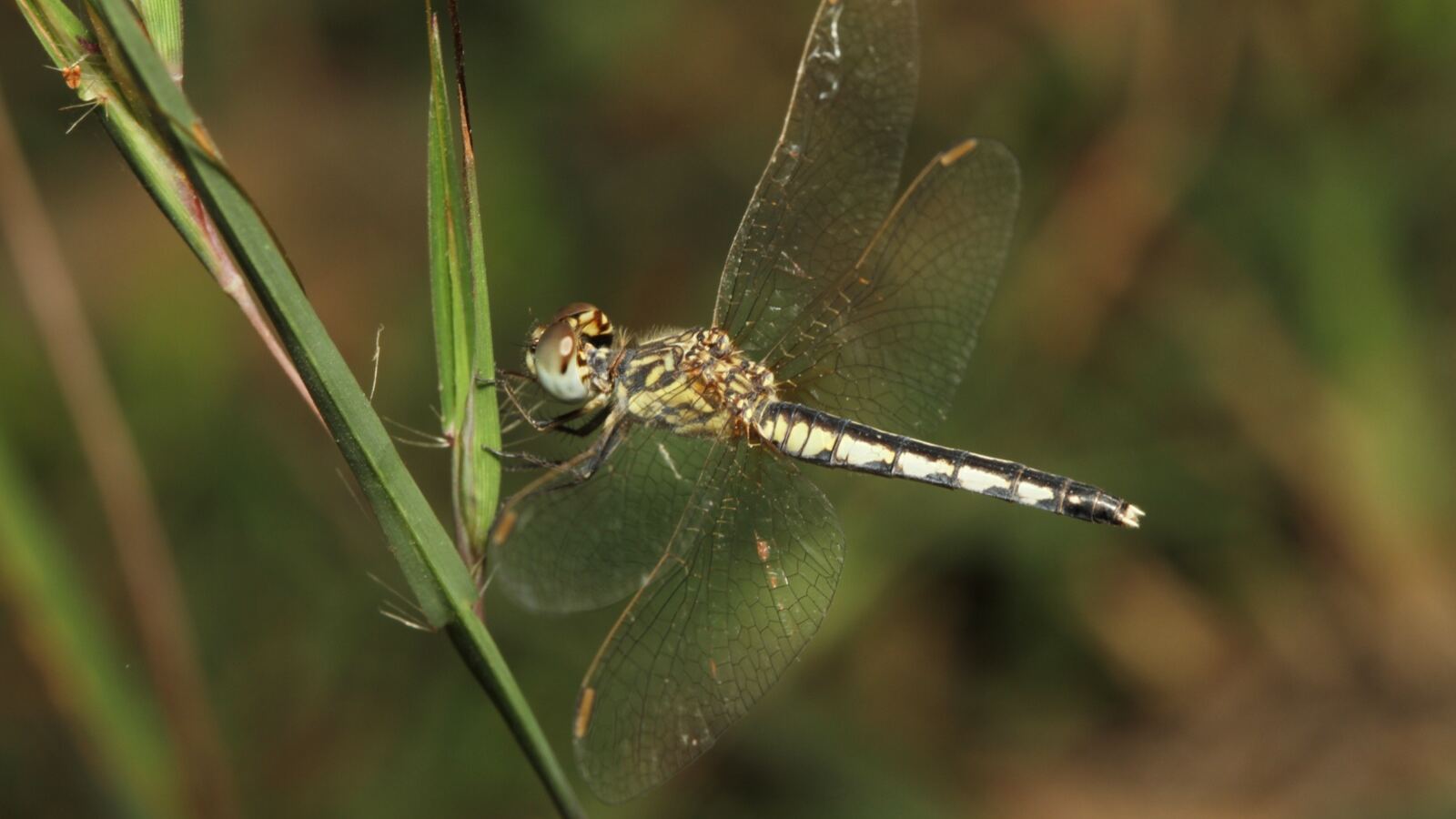
Dragonflies and Pond Life: Years Underwater, Weeks in the Air
The larva is the animal — spending up to five years underwater as an apex predator before a few weeks of flight.
- 07
 Restoration№ 2855 min
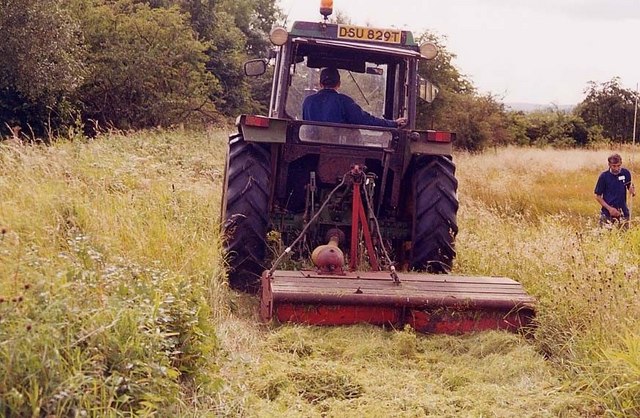
Meadow Management: The Hay Cycle That Builds a Hundred-Year Habitat
A wildflower meadow is a hayfield with patience. The cutting, grazing, and parasite plant that turn ryegrass back into 40-species pasture.
- 08
 Restoration№ 3924 min
Rewilding Edges: The Biodiversity of Untidiness
Why the boundaries you stop mowing become the richest part of your land, and how to manage the social pushback while nature reclaims the margins.