Restoring the coast
Mangroves, dunes and saltmarsh — habitats maintained by movement, where fixing the process matters more than planting.
- 01
 Restoration№ 2815 min
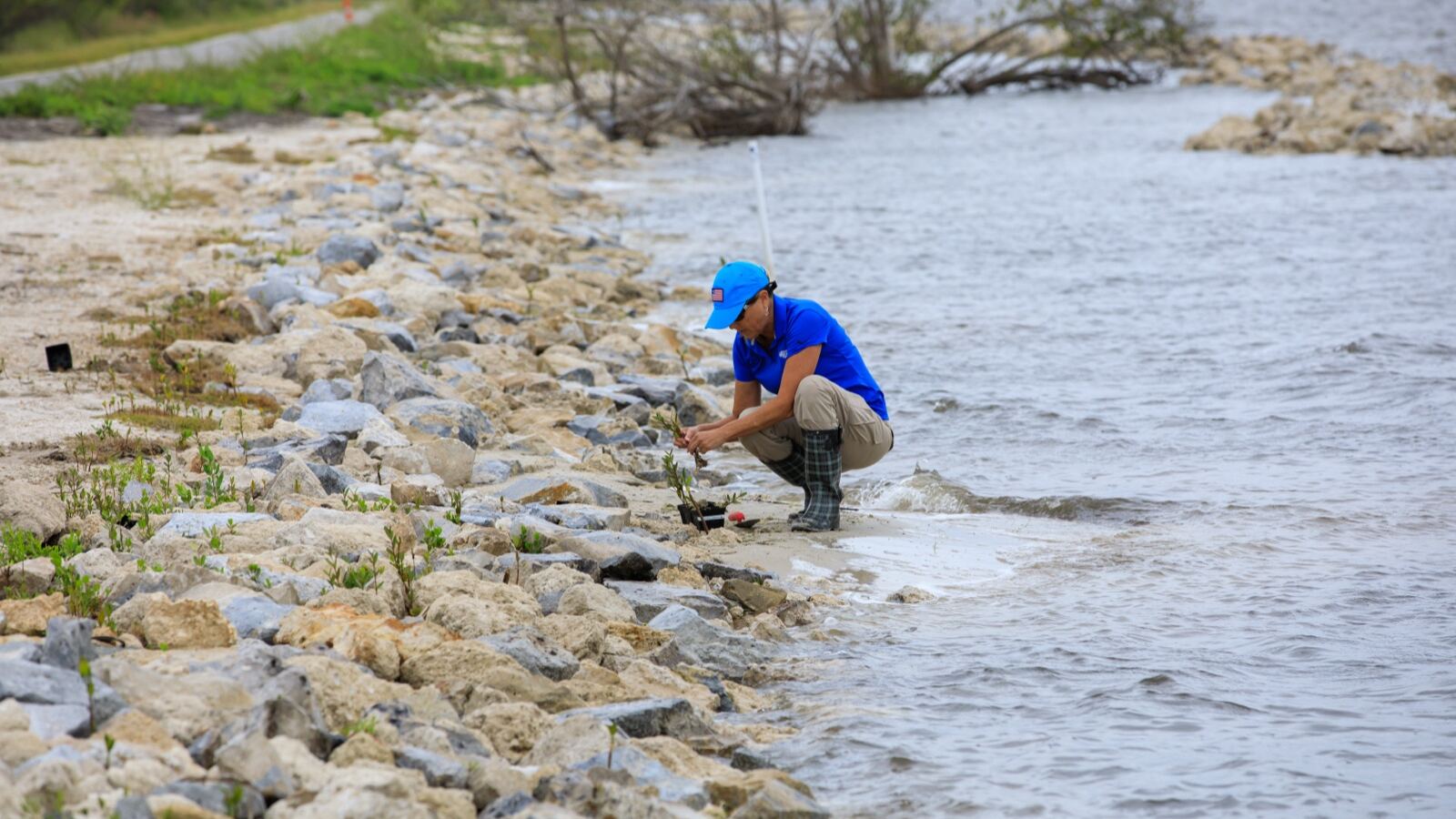
Mangrove Restoration: Why Most Planting Projects Fail
Hydrology first, propagules second — the ecological method that succeeds where mass propagule planting has failed for decades.
- 02
 Restoration№ 0915 min
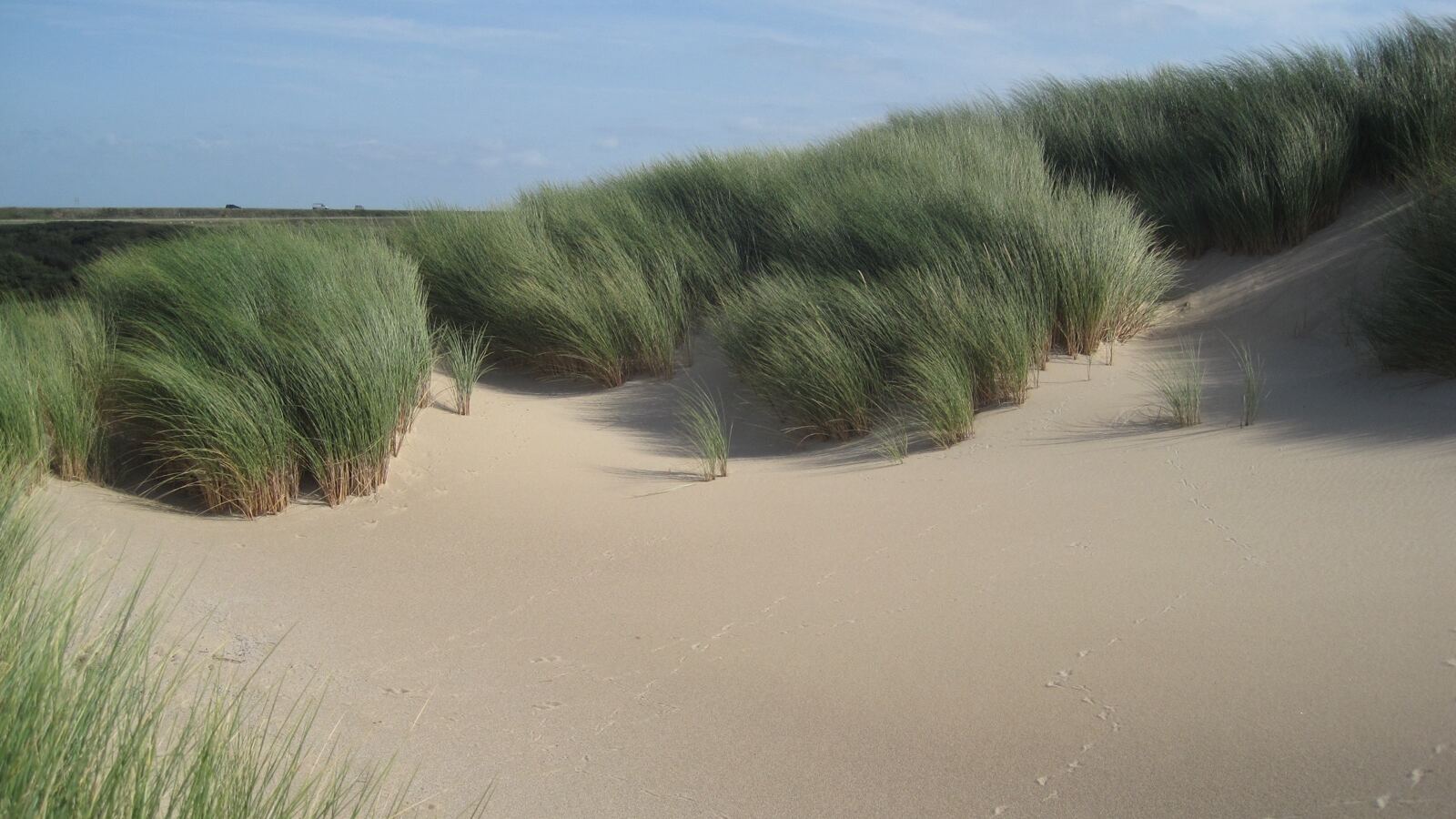
Coastal Dunes: Building Land Out of Moving Sand
Marram grass traps sand and grows through it — plus why stabilising a dune system too thoroughly destroys the habitat it protects.
- 03
 Trees№ 2824 min
Mangroves: Coastal Guardians
Salt-tolerant trees that build coastline, store carbon at five times the rate of upland forest, and feed three quarters of tropical fisheries.
- 04
 Trees№ 4155 min
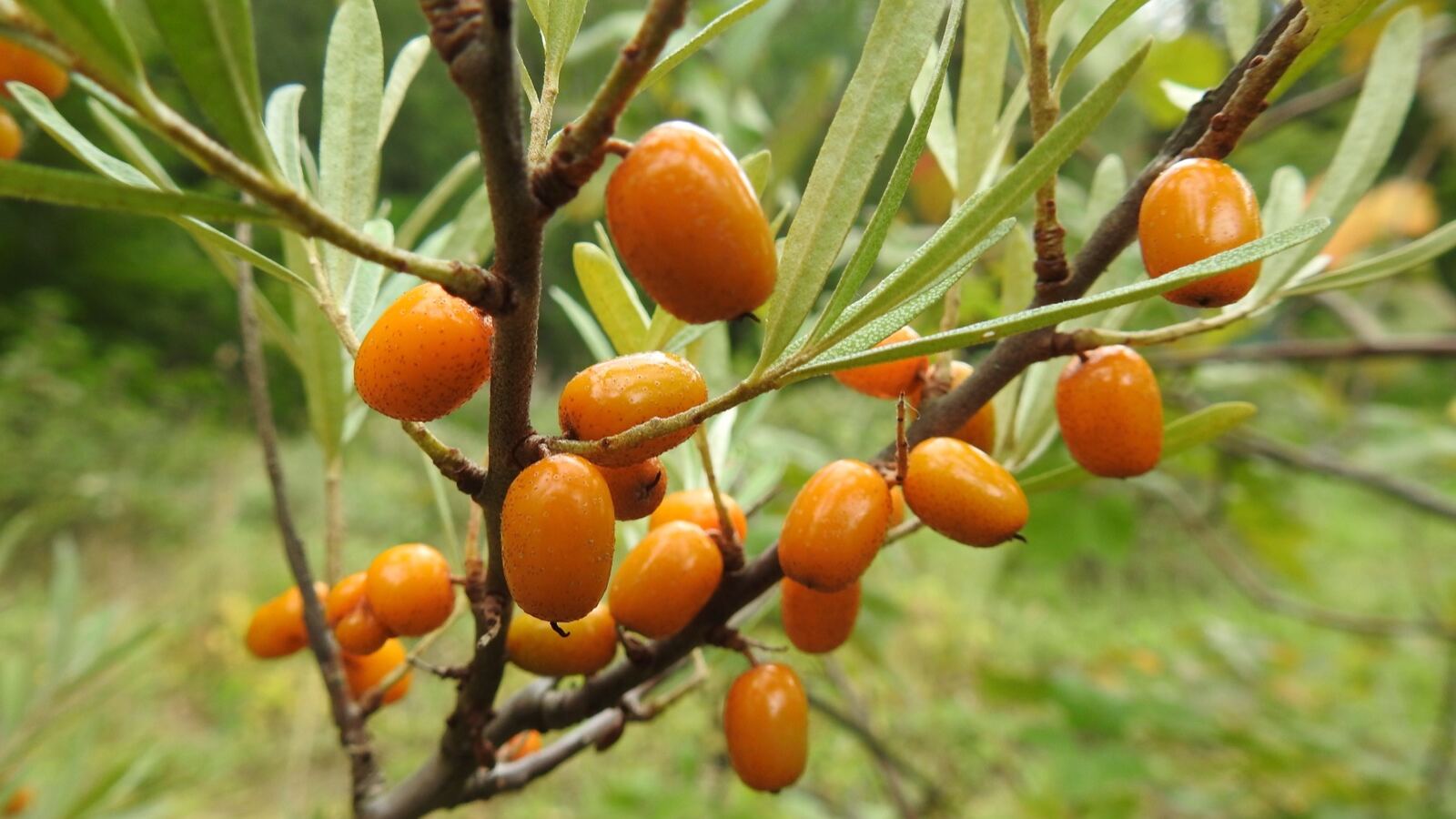
Sea Buckthorn: Nitrogen, Salt, and Sand
A nitrogen-fixing pioneer that stabilises dunes, tolerates salt spray, and carries one of the highest vitamin C loads of any temperate fruit.
- 05
 Restoration№ 1534 min
Erosion Control: Stabilise Before You Plant
Why preventing soil loss is the essential first step in restoration, and the passive and living methods that hold ground while ecosystems recover.
- 06
 Restoration№ 5173 min
Wetland Restoration: The Most Productive Ecosystems on Earth
How to restore wetlands by blocking drains, creating ponds, and reconnecting floodplains so they filter water, store carbon, and buffer floods.
- 07
 Restoration№ 0645 min
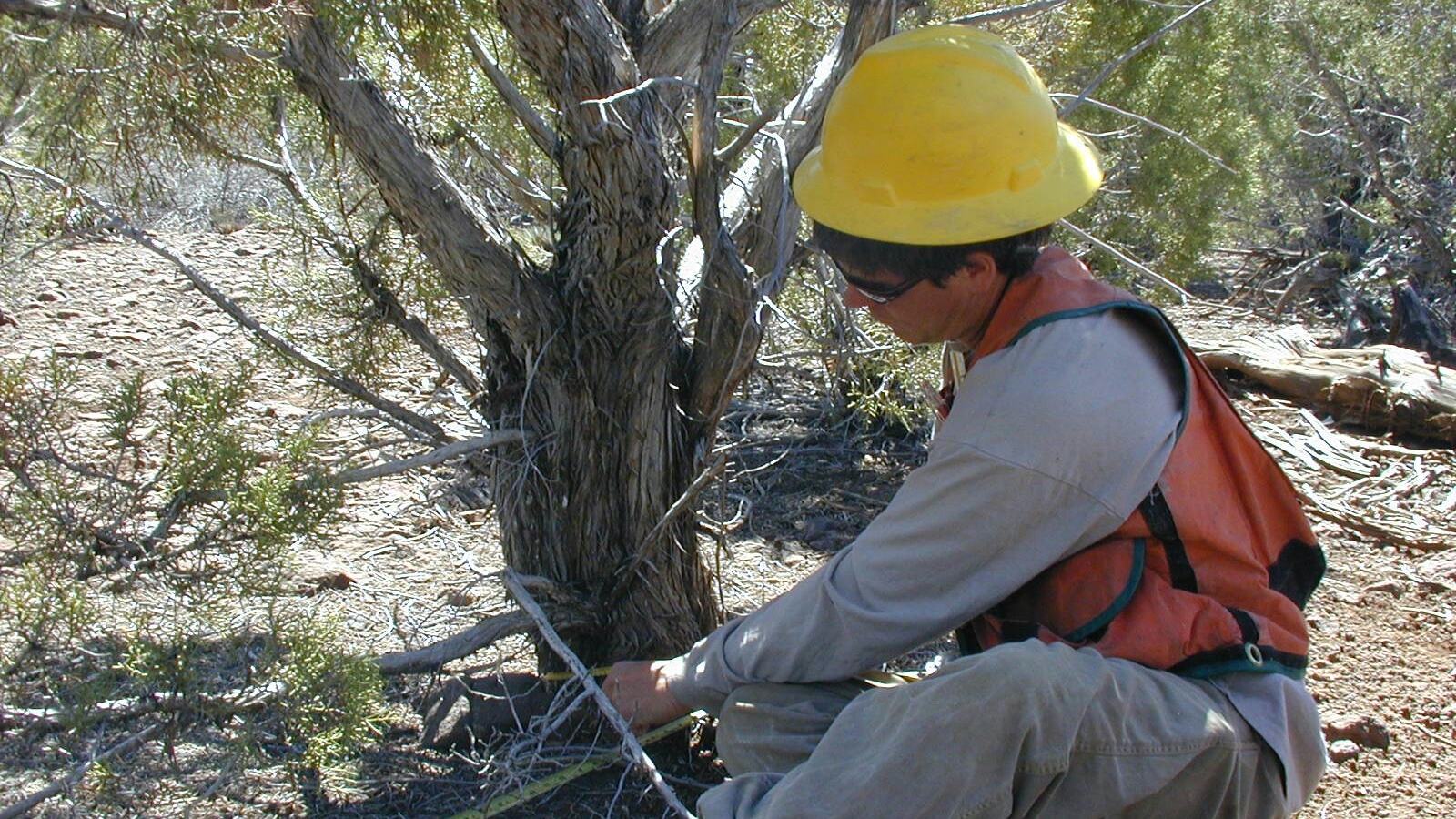
Carbon Accounting: Measuring What a Project Actually Stores
Additionality, permanence, leakage and baselines — why most tree-planting carbon claims overstate, and what credible measurement looks like.