How ecosystems hold together
Succession, keystones, edges and indicators — the principles that explain why the practical chapters work.
- 01
 Ecology№ 4695 min
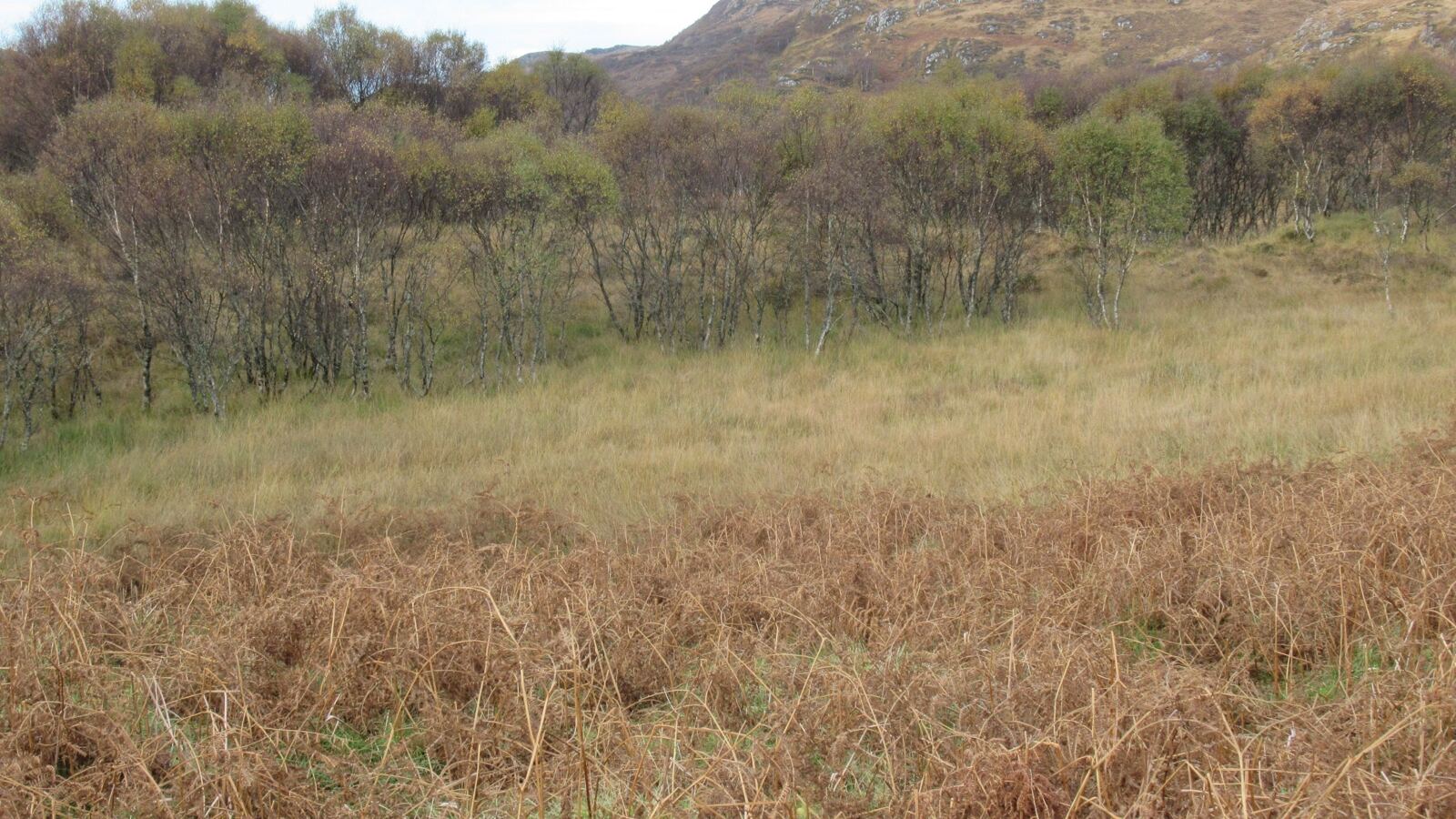
Succession: Where Land Goes When You Leave It Alone
Bare ground to woodland, why the tidy textbook sequence is wrong, and how to read which stage a site is in and where it is heading.
- 02
 Ecology№ 2515 min
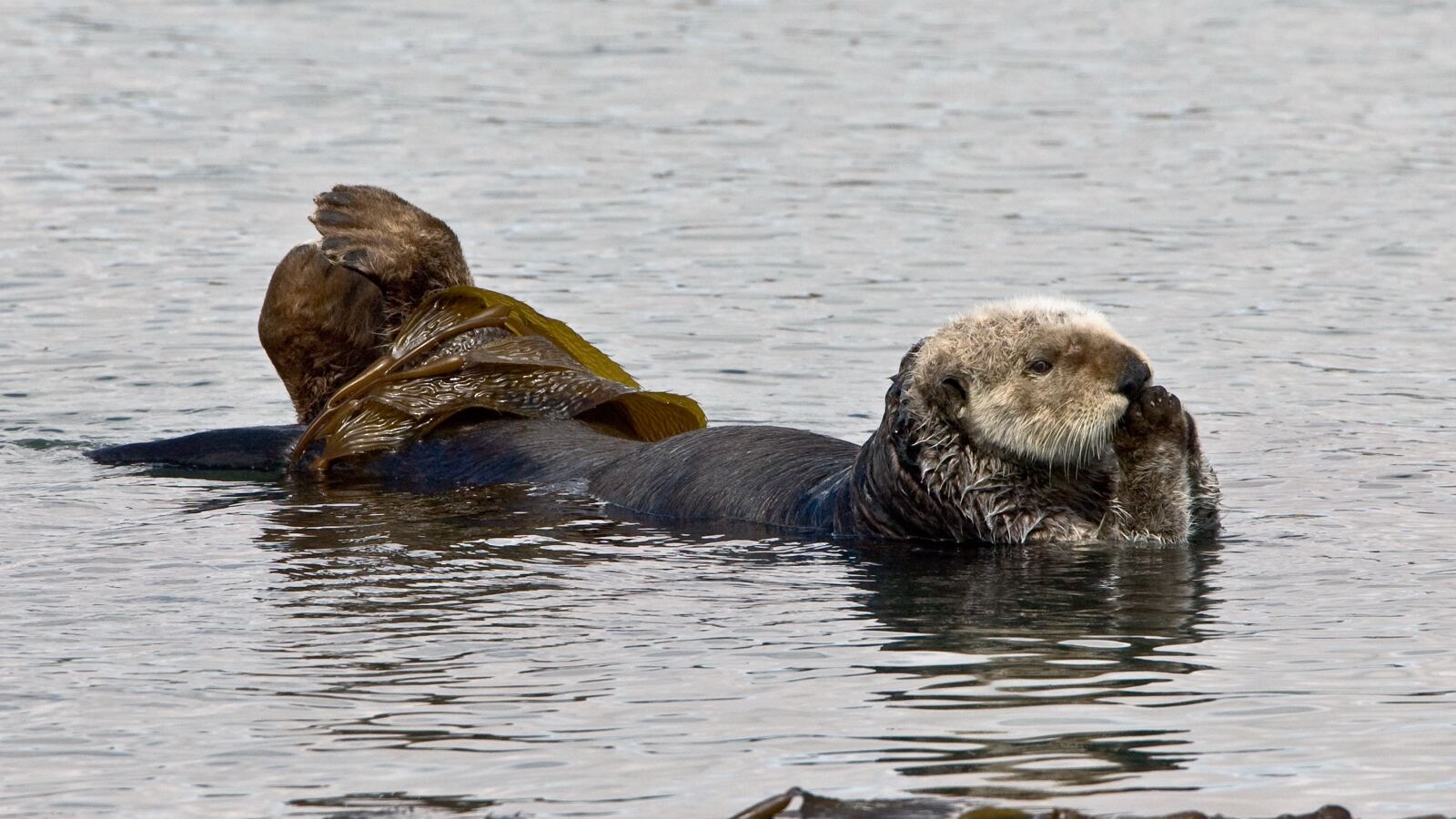
Keystone Species: When Removing One Thing Collapses the Rest
Disproportionate influence relative to abundance — what the concept actually means, where it holds up, and where it gets overstated.
- 03
 Ecology№ 4685 min
Structural Diversity: Layers Equal Niches Equal Species
Ground cover, shrubs, understory, canopy, emergents. Each vertical layer doubles the species count. Design for layers.
- 04
 Ecology№ 1494 min
Edge Effects: Where Two Habitats Meet
Why the boundary between two habitats hosts more species than either alone, and how to design landscapes for more edge, not less.
- 05
 Ecology№ 3705 min
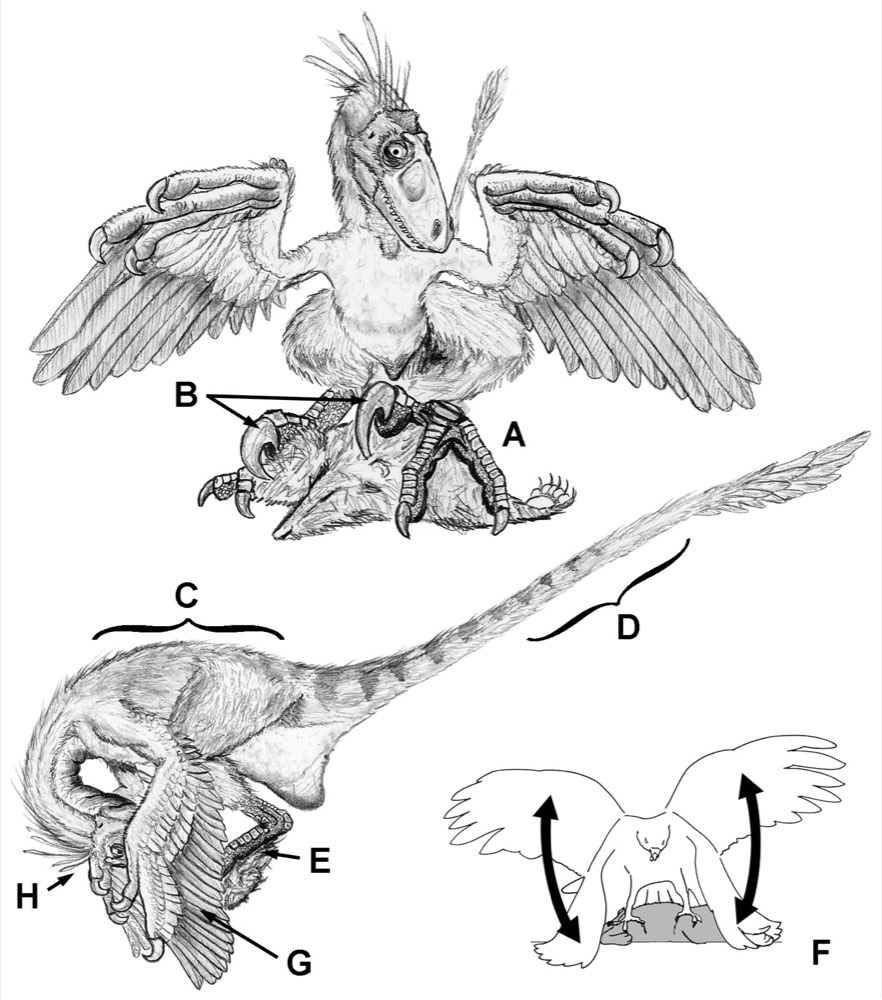
Predator-Prey Balance: Build Habitat, Skip the Sprays
How to attract ladybirds, lacewings, ground beetles, owls, and snakes so they do the pest control work that pesticides do badly.
- 06
 Ecology№ 2263 min
Indicator Species: Reading Ecosystem Health at a Glance
How lichens, amphibians, dragonflies, and earthworms reveal the real condition of air, water, and soil on your site.
- 07
 Ecology№ 2914 min
Minimum Viable Populations: How Small Is Too Small
Why isolated populations below a few hundred individuals slide toward extinction even when habitat looks fine, and how corridors and connectivity prevent it.
- 08
 Ecology№ 3114 min
Native Over Exotic: Why Local Species Matter
How native plants anchor local food webs, why genetic provenance shapes restoration outcomes, and where the native-exotic line gets blurry.