Harvesting water in dry lands
The traditional and modern craft of catching, storing, and stretching scarce water — the pits, bunds, dams, and tunnels that let people farm where the rain is too little and too erratic.
- 01
 Water№ 3844 min
Rainwater Harvesting Basics
Catch the rain off your roof, hold it in a tank, and water your garden through the dry months. Here's how.
- 02
 Water№ 5373 min
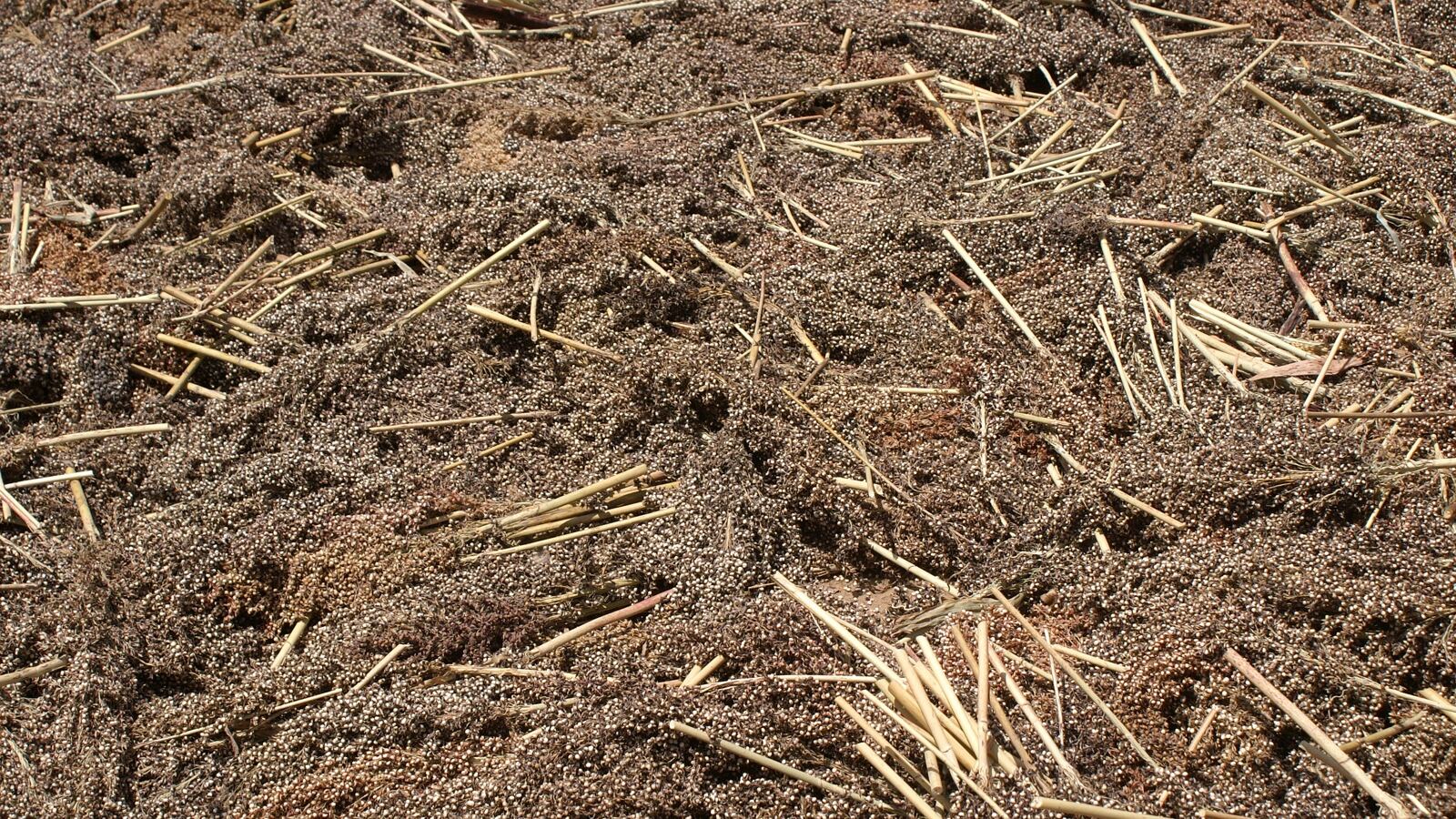
Zai Pits: The Planting Holes That Reclaimed the Sahel
The small manure-filled planting pits that catch rain, concentrate fertility, and have brought hardened, abandoned farmland back into production across the dry lands of West Africa.
- 03
 Water№ 2063 min
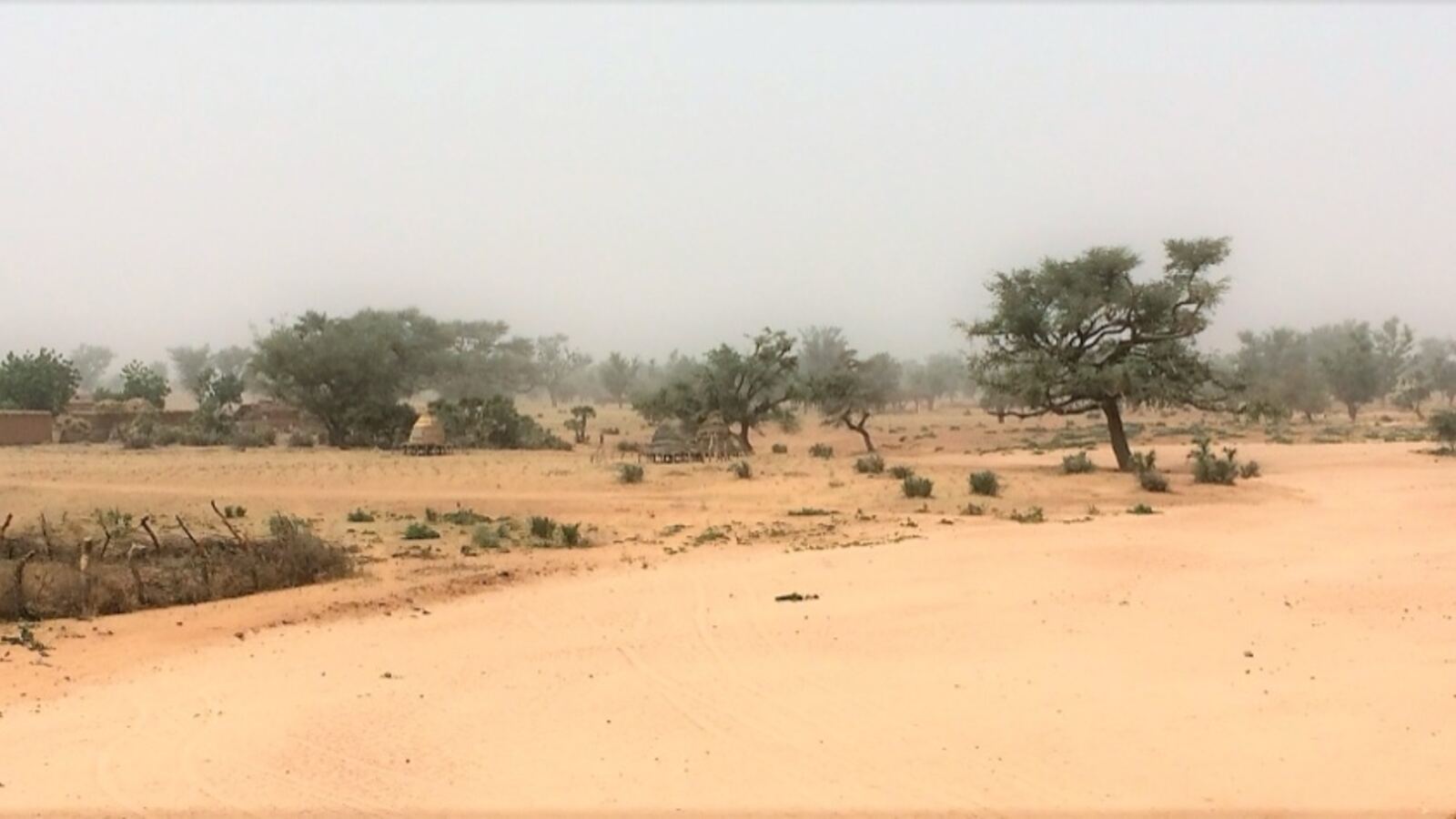
Half-Moons and Microcatchments: Catching Rain One Plant at a Time
The crescent bunds, negarim diamonds, and small basins that each harvest runoff from a patch of bare ground and concentrate it around a single tree or crop — the workhorse techniques of dryland restoration.
- 04
 Water№ 1023 min
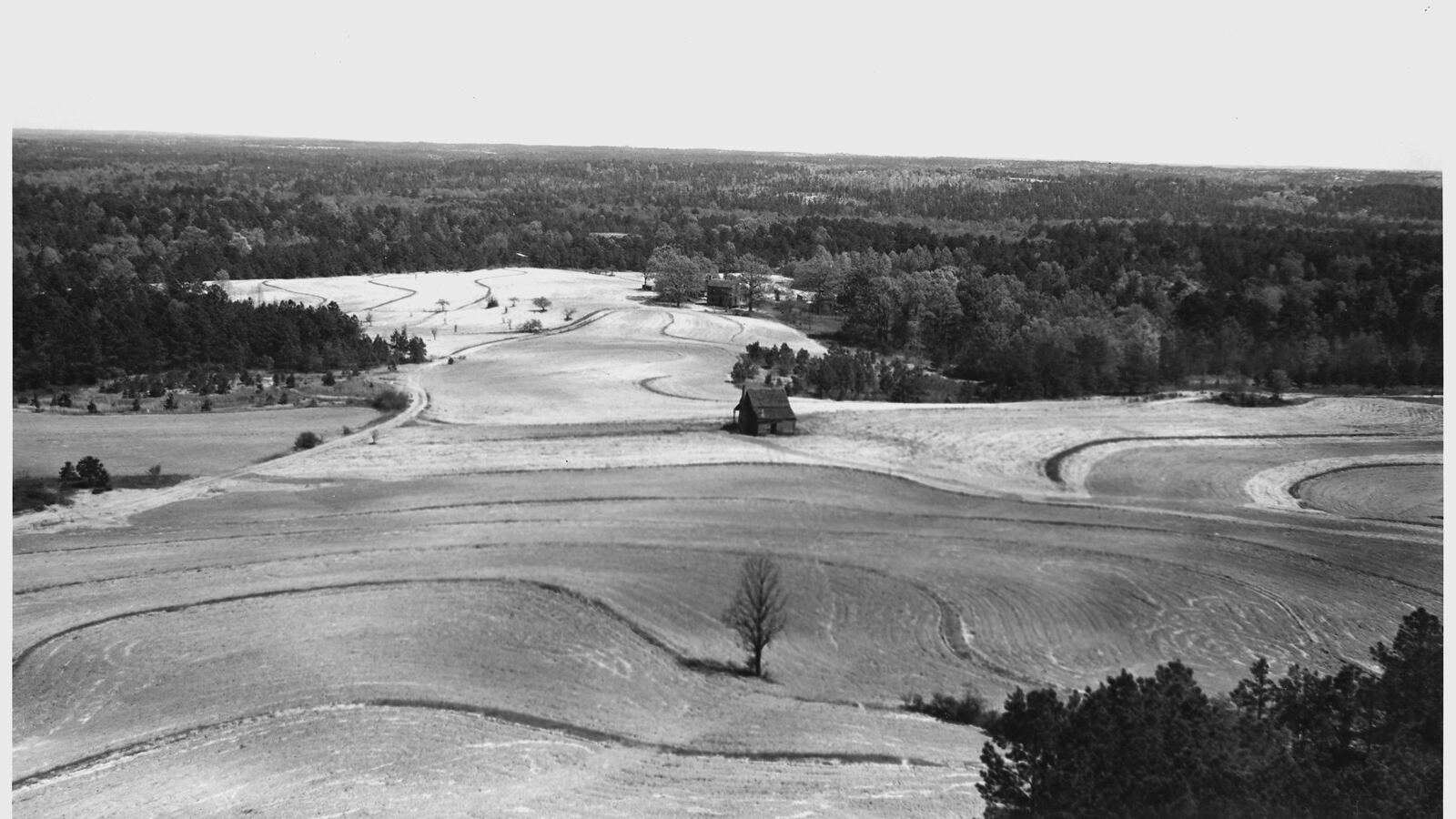
Contour Bunds: Stone Lines That Hold the Rain on the Slope
The low stone or earth walls laid along the contour that slow runoff, spread it across the land, drop its sediment, and let it soak in — the simplest and most widespread of all dryland water-harvesting structures.
- 05
 Water№ 4744 min
Swales on Contour: Passive Water Harvesting
Design and build contour swales that catch runoff, recharge groundwater, and turn dry hillsides into productive land.
- 06
 Water№ 0783 min
Check Dams: Slowing Water, Building Land
How small rock, log, or earth barriers placed across drainage lines slow erosion, capture sediment, infiltrate water, and gradually rebuild degraded gullies.
- 07
 Water№ 4083 min
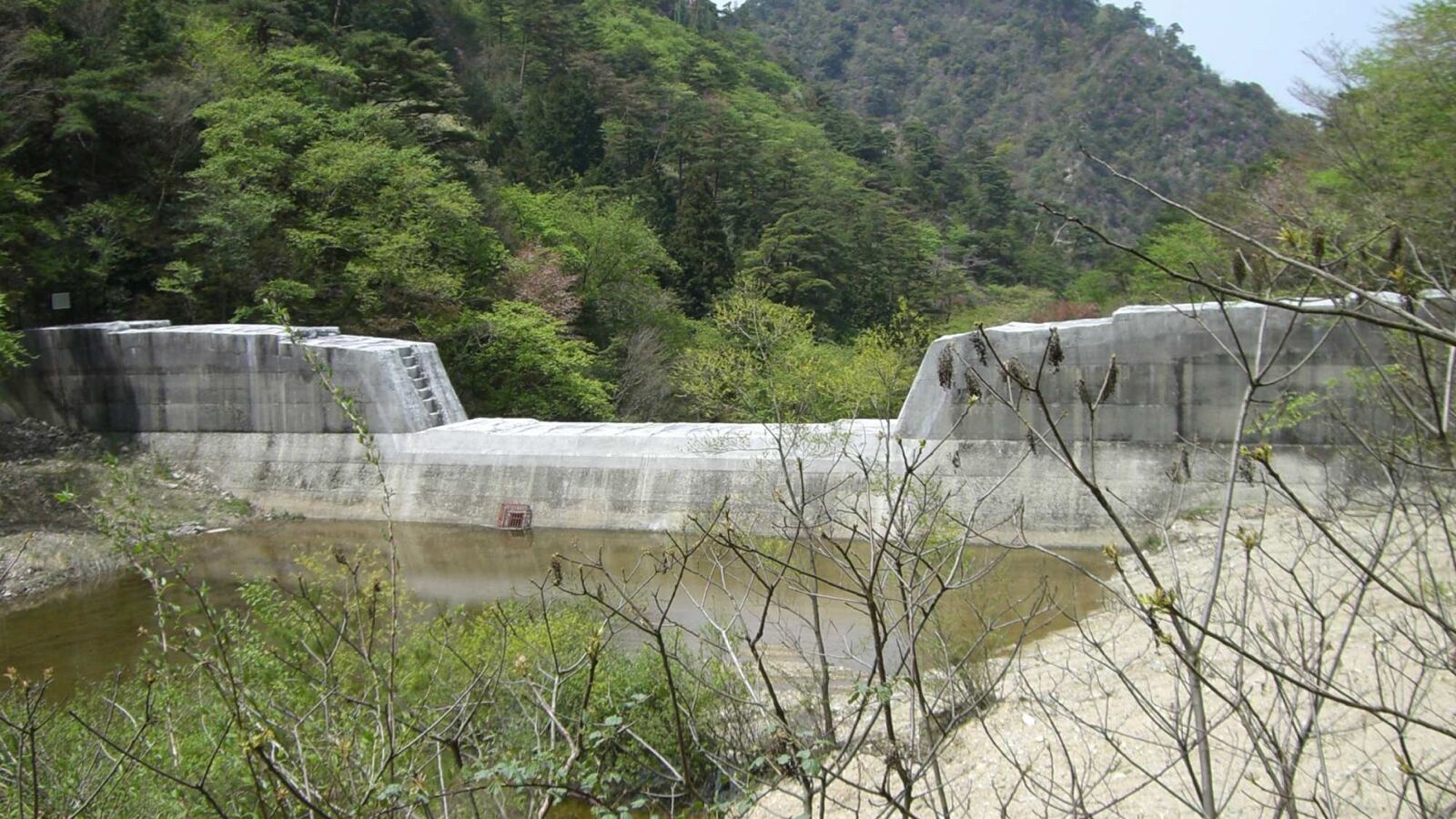
Sand Dams: Storing Water Inside a Riverbed
A concrete wall built across a seasonal sandy river traps sand behind it, and the sand stores water — a simple, cheap, evaporation-proof reservoir that has transformed water supply across the drylands of East Africa.
- 08
 Water№ 4523 min
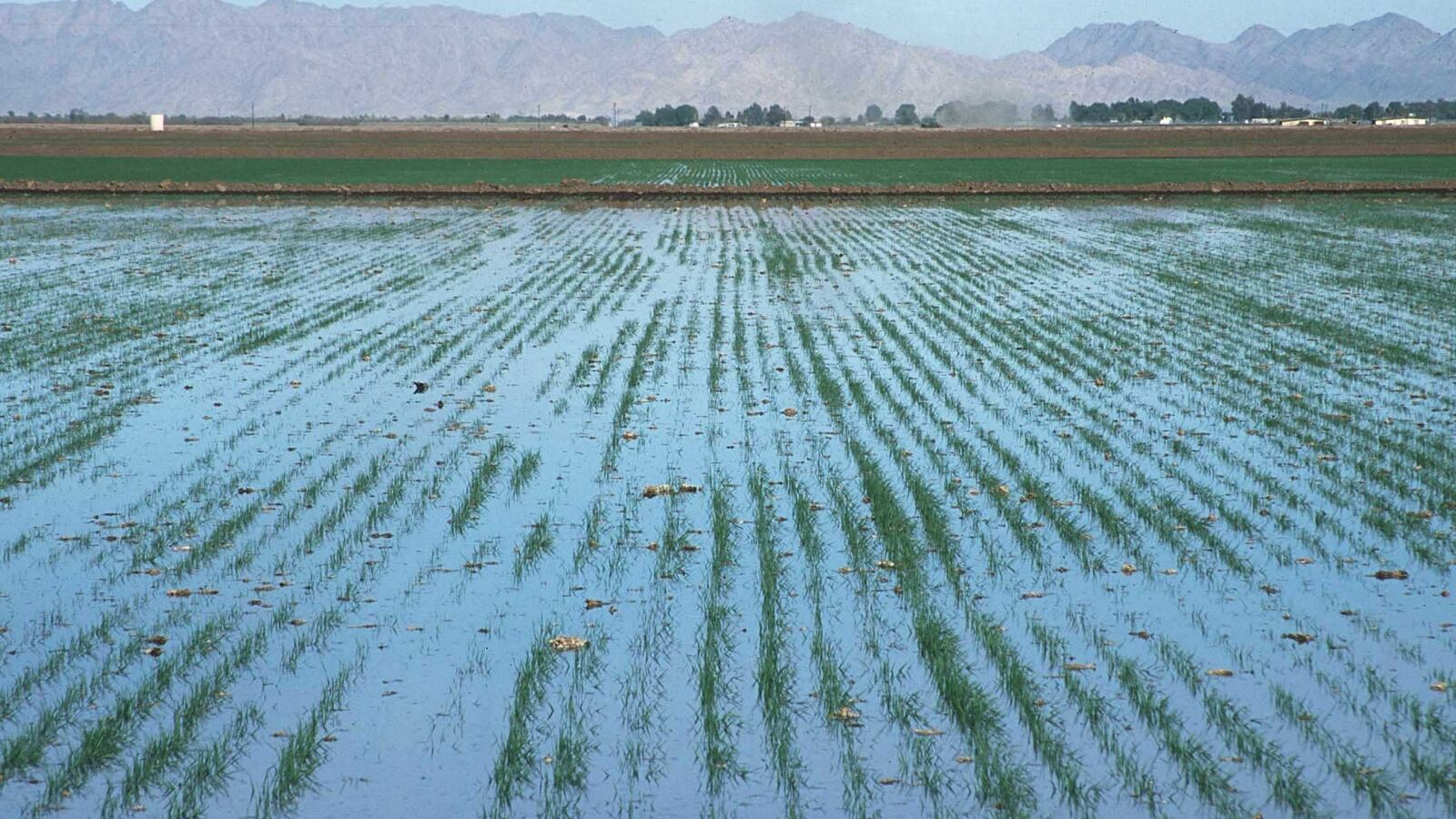
Spate Irrigation: Farming the Flash Flood
An ancient dryland method that diverts the brief, muddy floods of seasonal rivers onto fields — irrigating and fertilising them in a single event, and growing crops in places with almost no reliable rain.
- 09
 Water№ 3743 min
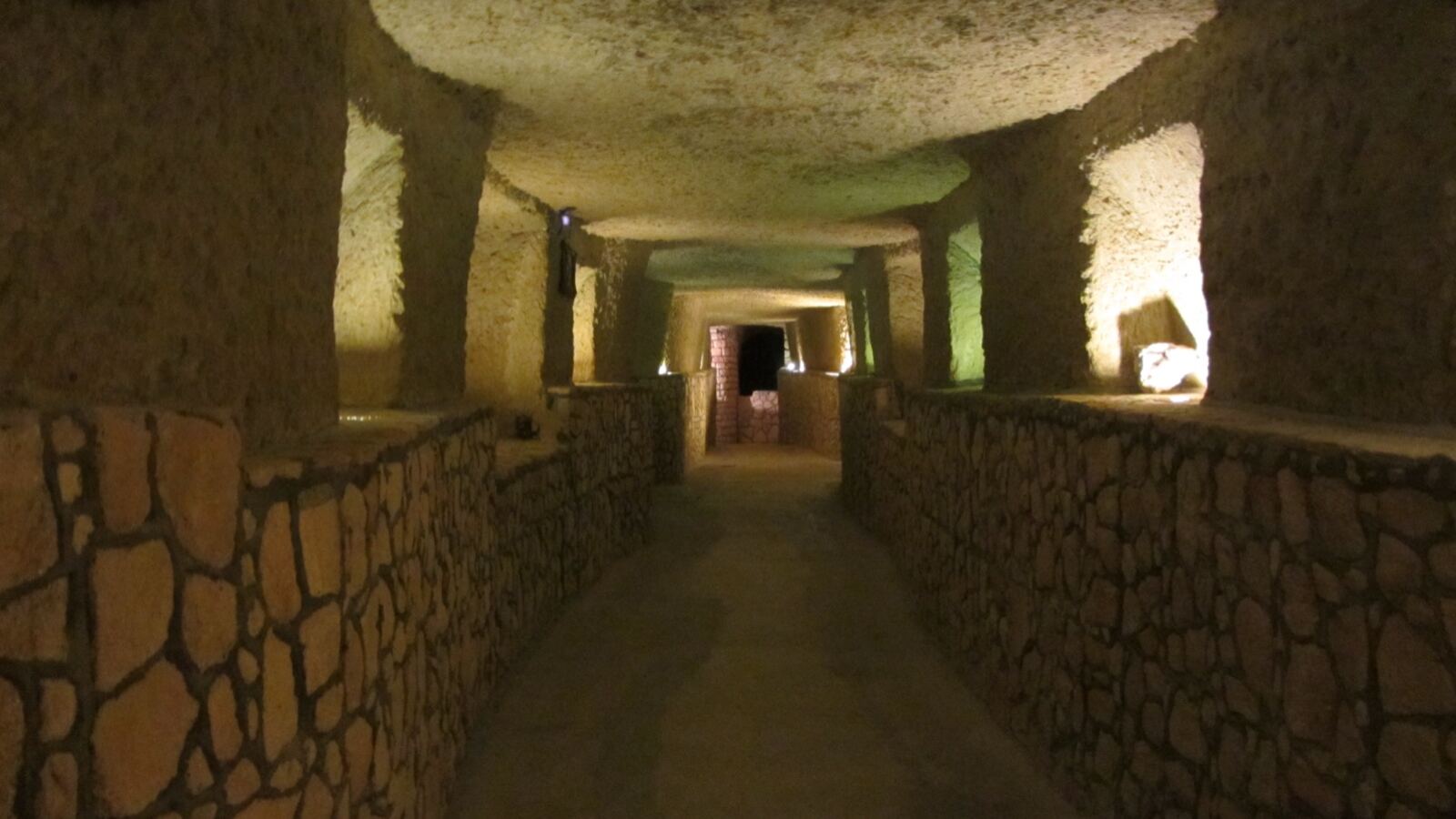
Qanats and Karez: The Underground Canals of the Dry World
The ancient gently-sloping tunnels that tap mountain groundwater and carry it for miles underground to the desert's edge — gravity-fed, evaporation-proof, and self-limiting water systems that watered civilisations.
- 10
 Water№ 1694 min
Fog Nets: Harvesting Water from Thin Air
Mesh panels intercept fog droplets to supply clean water in arid coastal and mountain zones where rain is scarce but fog is steady.
- 11
 Water№ 1293 min
Dew Harvesting: Drinking from the Night Air
The old and new attempts to collect water from dew and condensation — from dew ponds and stone mulch to modern radiative condensers — a modest but real source where rain fails and even fog is absent.
- 12
 Water№ 0873 min
Clay Pot Irrigation: The Buried Olla That Waters Its Own Roots
An ancient, astonishingly efficient method: a porous unglazed clay pot buried to its neck and filled with water seeps moisture straight to the roots on demand, wasting almost nothing to evaporation or runoff.
- 13
 Water№ 1394 min
Drought-Tolerant Species: Gardens on Rainfall Alone
Mediterranean, Australian, and South African plants that thrive in summer-dry climates, plus the design rules that keep them alive.
- 14
 Water№ 3033 min
Mulching for Moisture: Cut Evaporation by 70%
How a thick mulch layer shades the soil, blocks wind, and stops capillary loss, plus which materials work best for moisture retention.