Dryland and agroforestry trees
Multi-purpose trees of hot dry country and tropical smallholdings — fertiliser, fodder, medicine, oil, and shade from a single species.
- 01
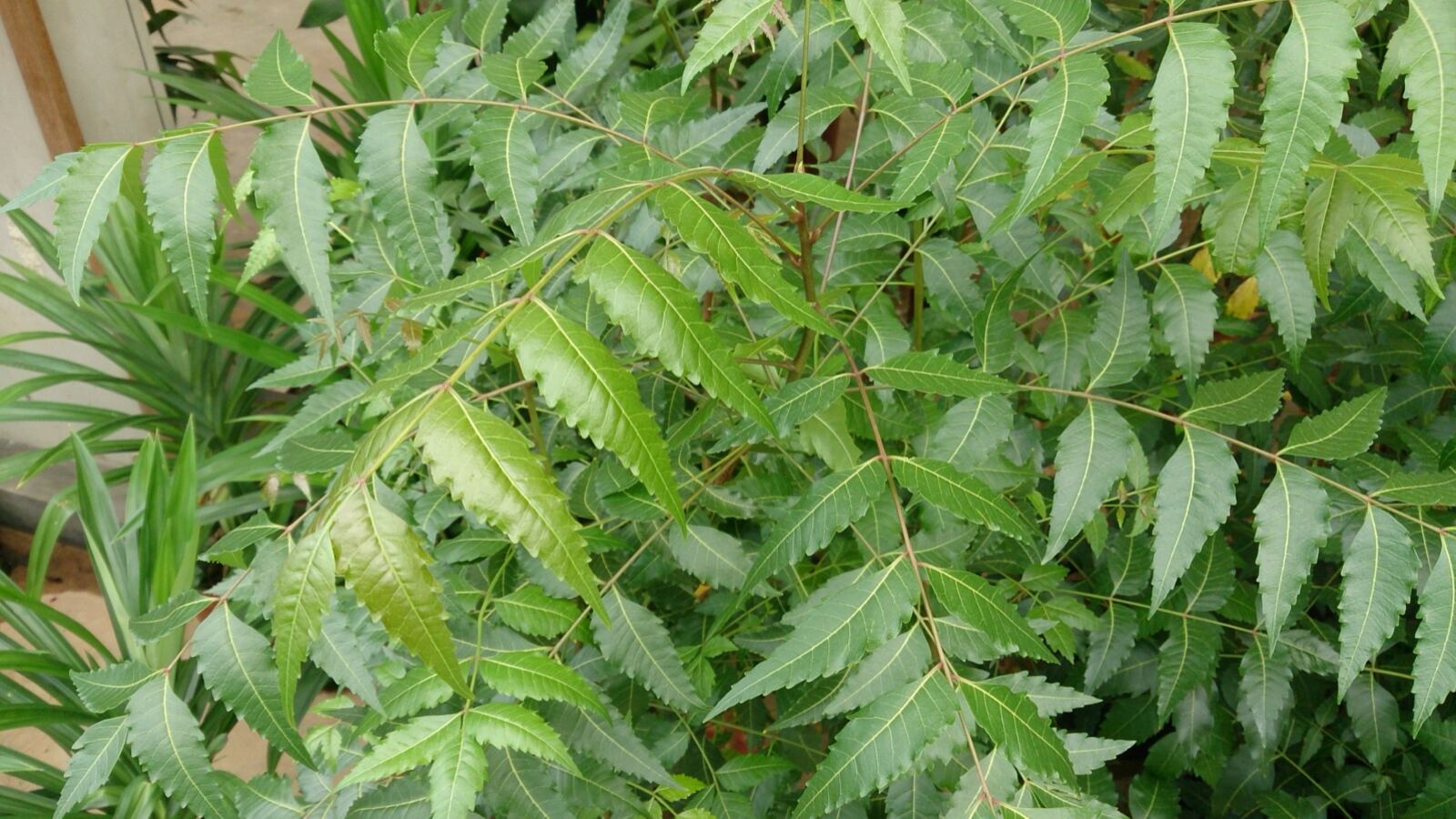 Trees№ 3125 min
Neem: The Village Pharmacy Tree
A dryland tree whose seed oil is the most widely used botanical insecticide there is — plus the biopiracy case that reshaped patent law.
- 02
 Trees№ 3004 min
Moringa Oleifera: The Miracle Tree
Everything you need to know about growing and using Moringa oleifera, the fast tropical tree with edible leaves and seed-based water purification.
- 03
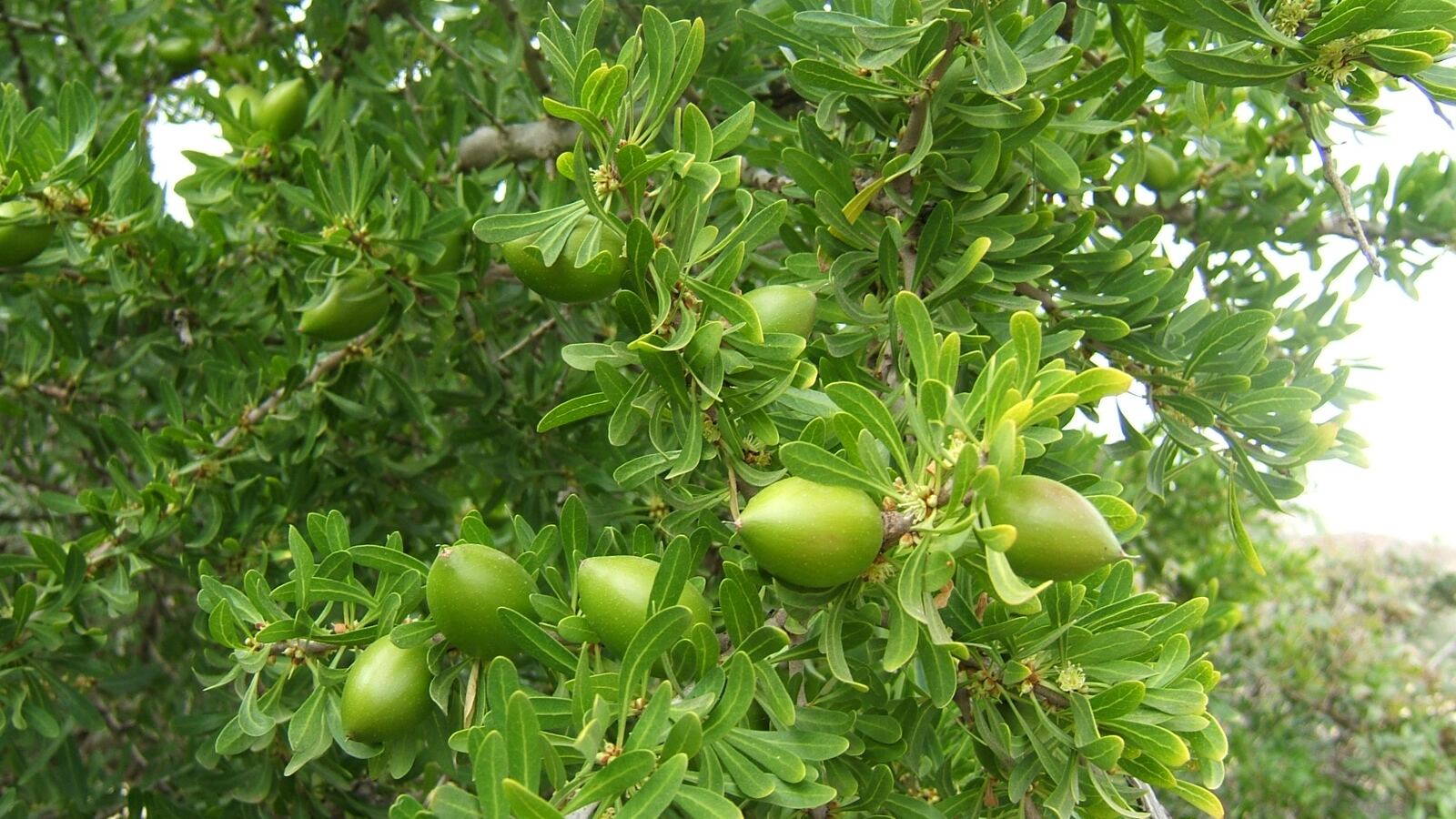 Trees№ 4275 min
Shea and Argan: The Oil Trees Held by Women
Two dryland trees whose nut oils sustain both households and export economies — and whose value depends on protecting slow-growing wild parklands.
- 04
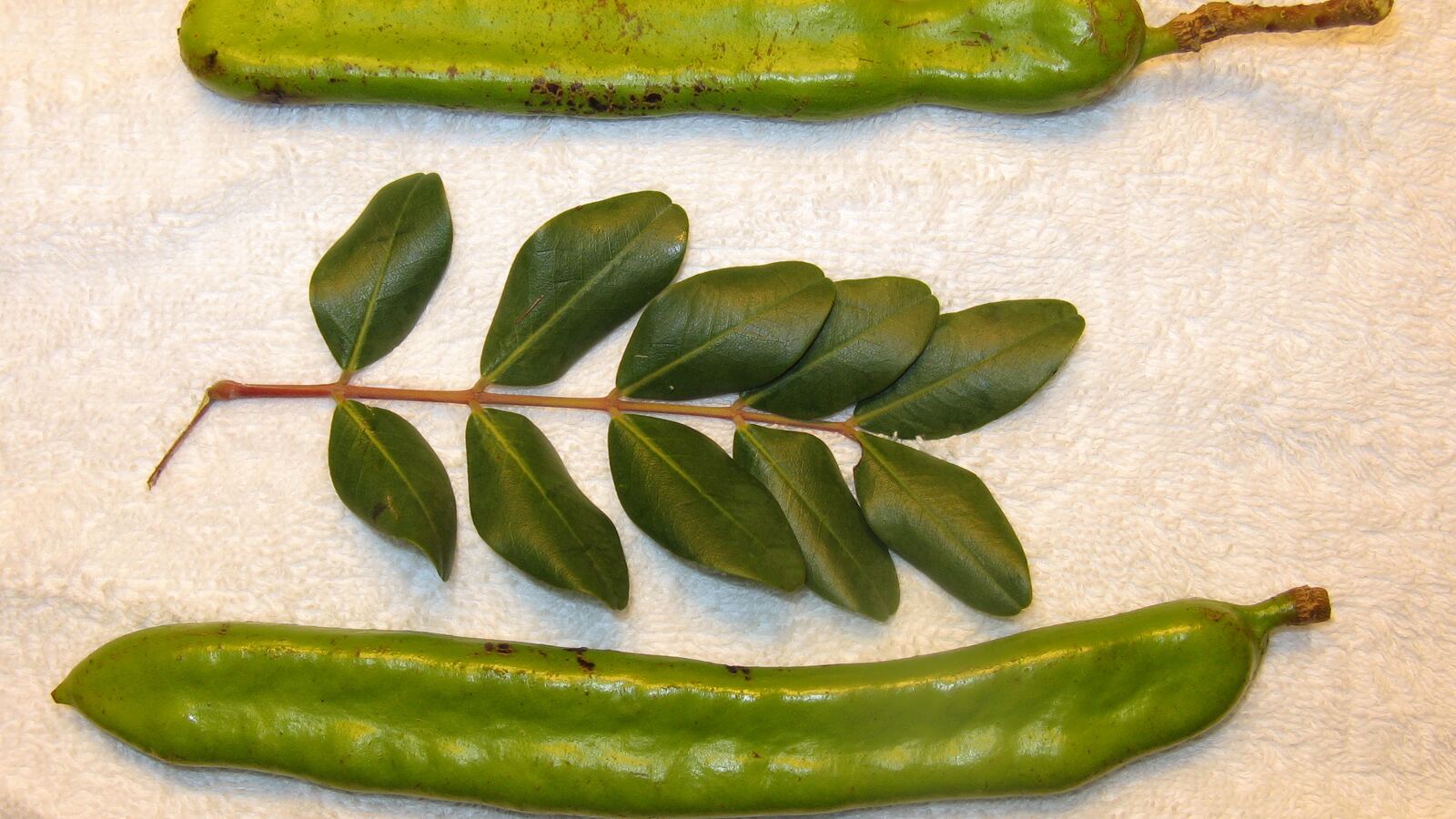 Trees№ 4825 min
Tamarind and Carob: The Sweet Pods of Dry Country
Two leguminous pod trees that store sweetness in a drought-hard package — one the sour base of a world of cooking, the other a chocolate substitute and a measure of weight.
- 05
 Trees№ 3164 min
Nitrogen-Fixing Food Trees: Carob, Honey Locust, Mesquite
Trees that feed the soil and feed you. Carob, honey locust, mesquite, and a handful of others deliver food, fodder, and free nitrogen.
- 06
 Trees№ 2645 min
Leucaena and Gliricidia: The Fertiliser Trees You Cut Back
Fast nitrogen-fixing trees cut repeatedly for green manure and fodder — plus the mimosine that limits one and the versatility that spread the other.
- 07
 Trees№ 0016 min
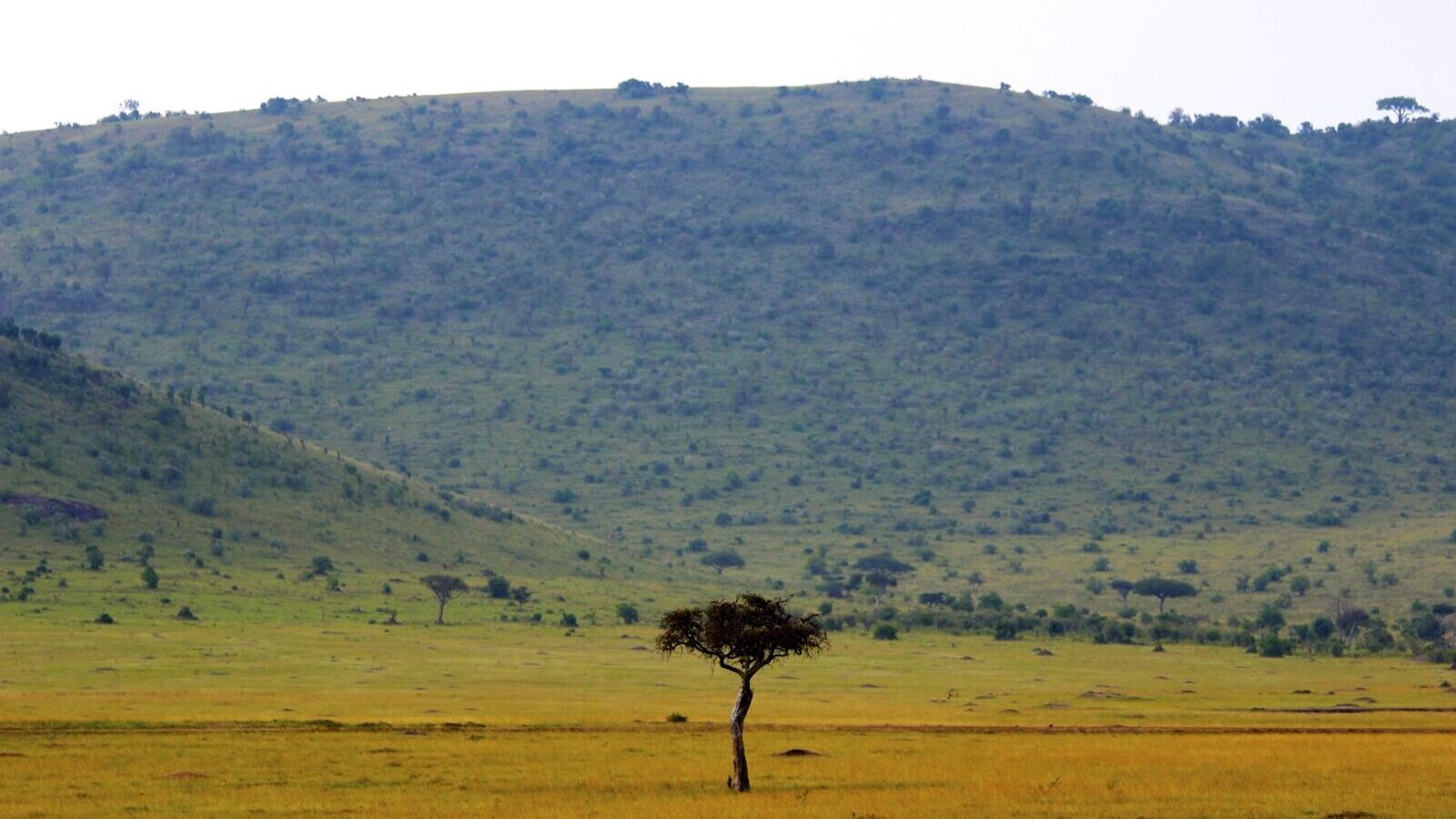
Acacia: The Thorn Trees That Hold the Drylands
Nitrogen-fixing dryland keystones, the ant partnerships and chemical defences, and the reverse-phenology tree that fertilises crops beneath it.
- 08
 Restoration№ 1406 min
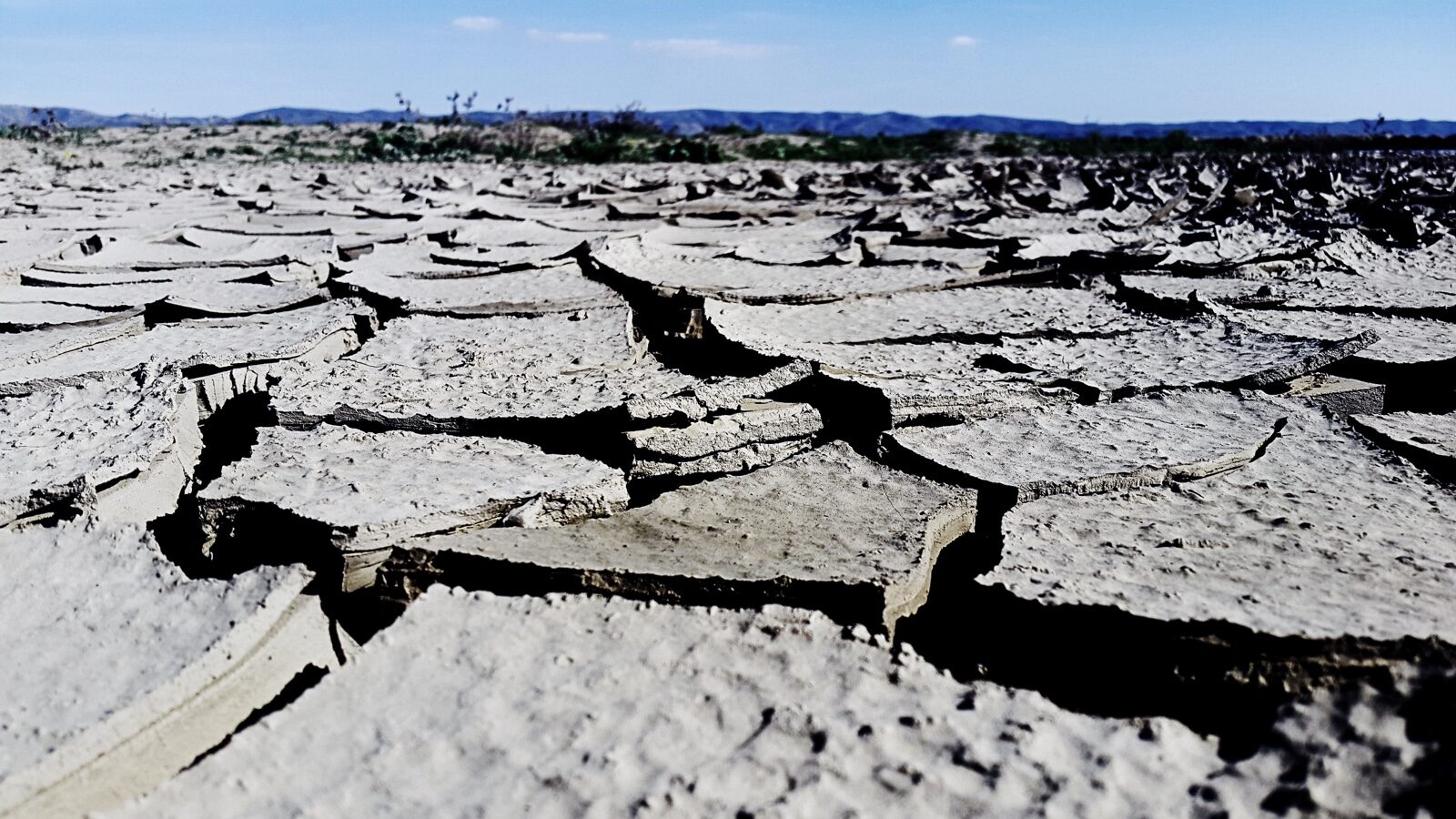
Dryland Restoration: Zai Pits, Half-Moons, and Farmer-Managed Regeneration
The low-cost techniques that reversed desertification across the Sahel — planting pits, contour bunds, and protecting the root systems already underground.