Water from sky to soil
Catching rain on a roof, slowing it across a slope, banking it underground.
- 01
 Water№ 0704 min
Roof Catchment Calculation: Know Your Numbers
How to calculate rainwater yield from your roof area, accounting for runoff coefficients, losses, and annual rainfall to size your harvesting system correctly.
- 02
 Water№ 3844 min
Rainwater Harvesting Basics
Catch the rain off your roof, hold it in a tank, and water your garden through the dry months. Here's how.
- 03
 Water№ 1663 min
First-Flush Diverters: Clean Water from the Start
How first-flush diverters work to remove dust, bird droppings, pollen, and debris from the initial roof runoff before it enters your rainwater tank.
- 04
 Water№ 5136 min
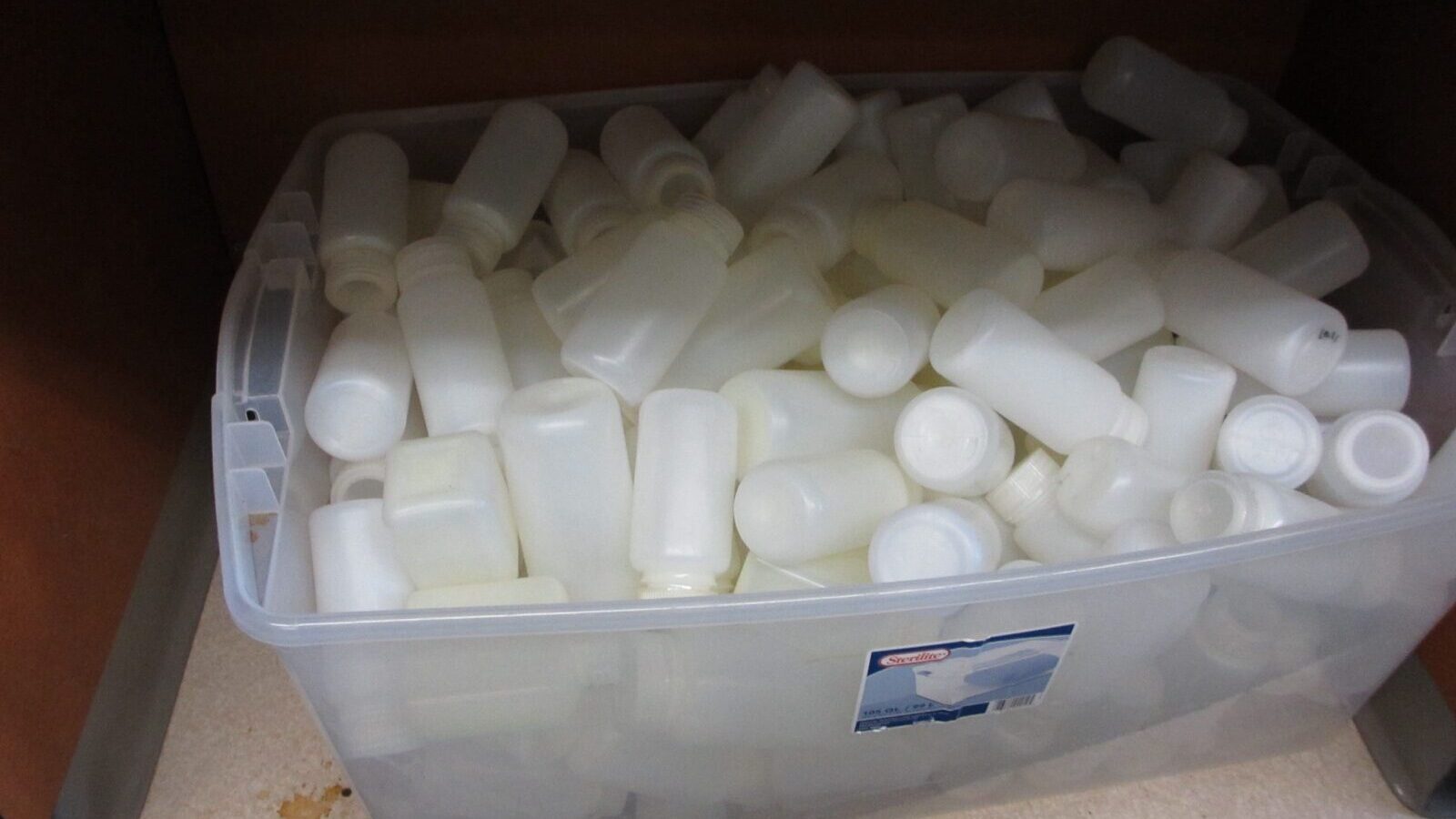
Water Quality Testing: Knowing What You Actually Have
What to test for in rainwater, wells, and surface water, how often, and the treatment steps that match each class of contaminant.
- 05
 Water№ 4854 min
Tank Sizing: How Much Storage Do You Need?
Match roof supply to garden and household demand with a monthly water budget that reveals the real storage volume you need.
- 06
 Water№ 4844 min
Water Tank Placement: Shade, Elevation, and Gravity
Where to put a water tank so shade keeps it cool, elevation gives free pressure, and overflow feeds the landscape instead of eroding it.
- 07
 Water№ 4744 min
Swales on Contour: Passive Water Harvesting
Design and build contour swales that catch runoff, recharge groundwater, and turn dry hillsides into productive land.
- 08
 Water№ 0783 min
Check Dams: Slowing Water, Building Land
How small rock, log, or earth barriers placed across drainage lines slow erosion, capture sediment, infiltrate water, and gradually rebuild degraded gullies.
- 09
 Water№ 3655 min
Ponds and Dams: Landscape-Scale Water Storage
How to site, build, and shape ponds and dams that store irrigation water, host wildlife, buffer microclimate, and defend against fire.
- 10
 Water№ 4483 min
Soil Is Your Biggest Water Tank
How organic matter turns soil into a massive water reservoir, and the practical moves that increase your water-holding capacity.
- 11
 Water№ 0185 min
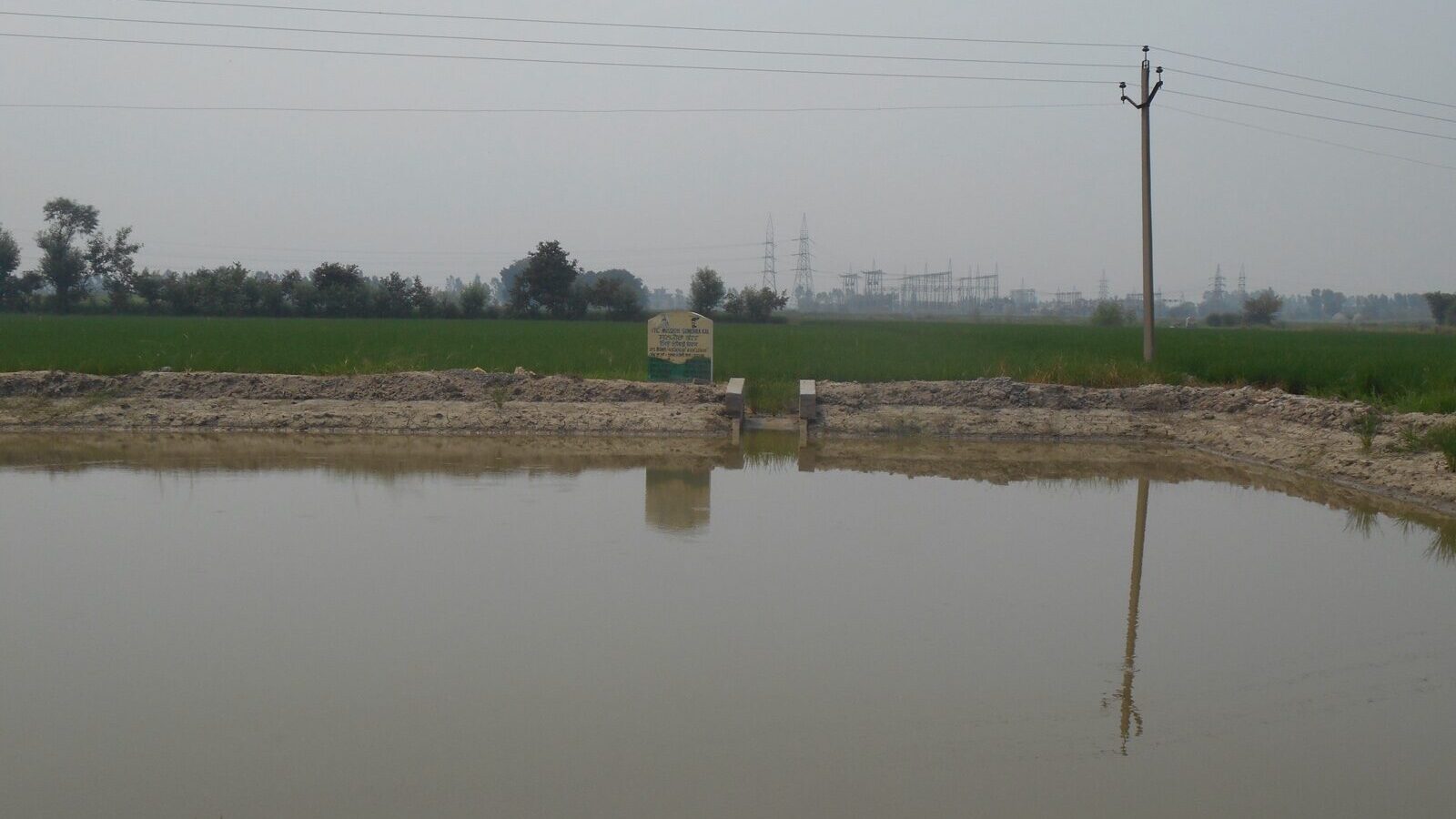
Aquifer Recharge: Putting Water Back Underground
Managed recharge from check dams to infiltration basins, why underground storage beats surface storage, and how to avoid recharging pollution.