From bare ground to forest
The full arc — looking at land, reading what it needs, and walking it back to forest.
- 01
 Growing№ 3254 min
Observation First: Watch Before You Act
Why a full year of watching your land beats any intervention, and how patience lets biodiversity solve problems that spraying cannot.
- 02
 Restoration№ 4384 min
Reading the Land: Site Assessment for Restoration
How to interpret slope, water flow, vegetation patterns, and soil indicators to build a restoration plan grounded in what the land tells you.
- 03
 Growing№ 4474 min
Soil Testing: Know What You Have Before You Amend
Test pH, nutrients, and texture before amending. Guessing wastes money, stunts growth, and pollutes waterways downstream.
- 04
 Growing№ 1073 min
Cover Cropping: Green Manures That Build Soil
How sowing clover, vetch, rye, and other cover crops between seasons fixes nitrogen, prevents erosion, suppresses weeds, and feeds the soil food web.
- 05
 Restoration№ 3573 min
Pioneer Species: Nature's First Responders
How pioneer trees colonise bare ground, stabilise soil, and create conditions for full ecosystem recovery in restoration work.
- 06
 Growing№ 3215 min
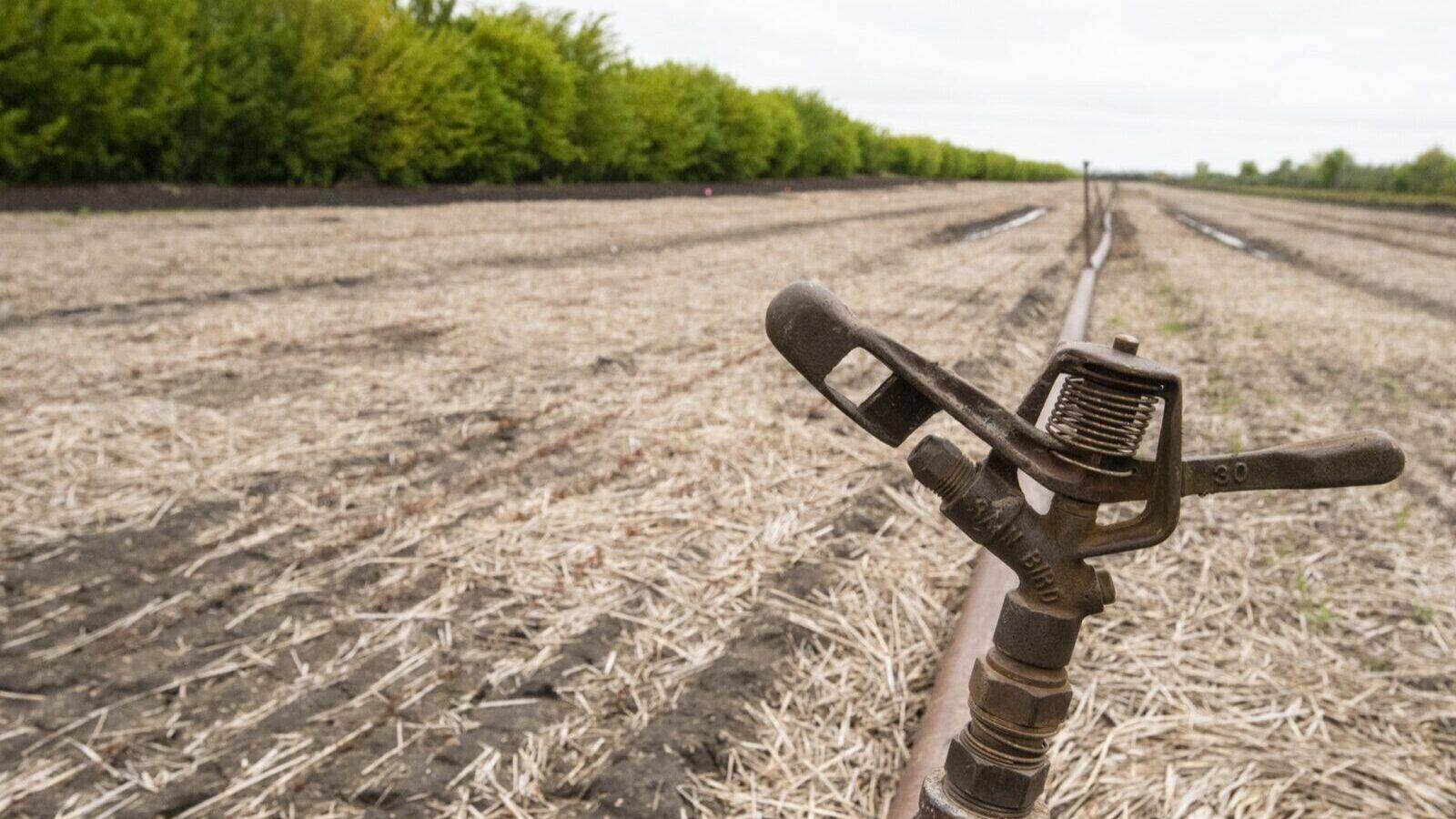
Nursery Stock: Choosing Trees That Will Actually Establish
Bare-root against containerised, why smaller trees overtake bigger ones, and the root defects that condemn a tree before it leaves the nursery.
- 07
 Growing№ 4985 min
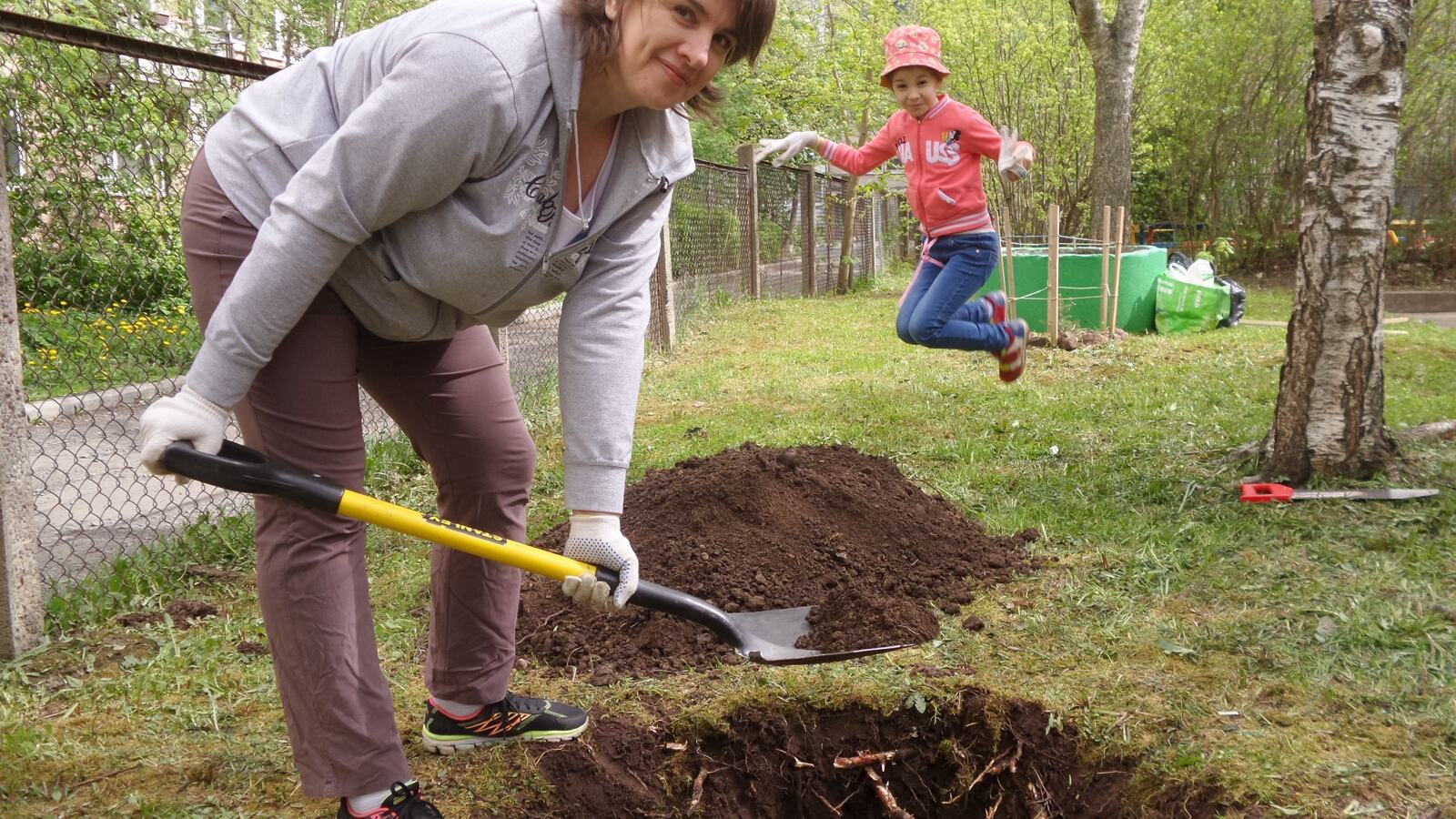
Planting a Tree: The First Hour Decides the First Decade
Hole preparation, root flare depth, backfill, watering in, and the staking mistakes that kill more young trees than drought ever does.
- 08
 Restoration№ 3203 min
Nurse Trees: Sacrifice Species That Shelter the Future
Fast-growing sacrifice species that shelter slower, more valuable target trees through the brutal early years of restoration.
- 09
 Restoration№ 0233 min
Assisted Natural Regeneration: Let the Forest Come Back
Remove the pressure that's killing regrowth: fencing, fire timing, selective weeding. The forest is already in the soil waiting to return.
- 10
 Restoration№ 2943 min
The Miyawaki Method: Dense Native Forests in Decades
How Akira Miyawaki's technique of dense native planting creates self-sustaining forests 10x faster than conventional methods.
- 11
 Restoration№ 3904 min
Reforestation Techniques for Degraded Lands
Practical field guide to restoring forest on degraded land, from soil tests to species mix to the first five years of tending.